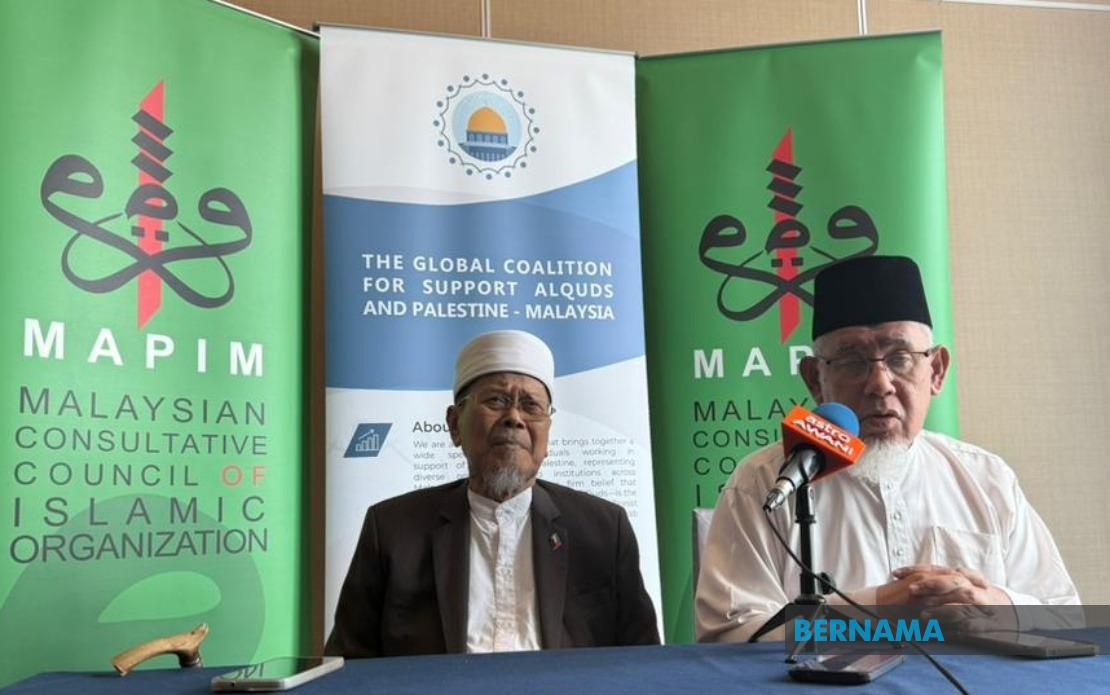
The Malaysian Consultative Council of Islamic Organisations (MAPIM) is preparing to dispatch a humanitarian relief mission to Nepal starting September 5, responding to one of the most destructive natural disasters to hit the Himalayan nation in recent years. The decision comes as rescue and recovery efforts continue following catastrophic flash floods triggered by an avalanche on August 26, which has claimed at least 469 lives and left over 1,400 people missing across affected regions.
According to MAPIM president Mohd Azmi Abdul Hamid, the initial deployment will comprise four dedicated volunteers tasked with conducting a comprehensive needs assessment across the hardest-hit areas. This preliminary phase is designed to establish ground-level understanding of the disaster's scope and identify priority interventions. The organisation has already established contact with Nepal's diplomatic mission in Malaysia to gather preliminary intelligence on the humanitarian situation and logistical requirements for effective aid delivery.
The catastrophe unfolded when an avalanche unleashed a devastating surge of rocks, ice, mud and debris through river systems in the Himalayas, destroying villages and critical infrastructure along a major trekking route that connects Kathmandu with the Tibetan city of Lhasa. The sheer force and speed of the torrent, combined with the mountainous terrain, created unprecedented challenges for rescue operations. Nearly 540 of the missing are foreign nationals, underscoring the scale of the international humanitarian crisis.
For Malaysia, the disaster carries particular resonance with 57 Malaysian nationals reported missing as of late August 27, according to updates from the Ministry of Foreign Affairs based on notifications from families, colleagues and employers. This figure represents a significant contingent among the affected foreign nationals, highlighting how the tragedy has touched communities across Southeast Asia. The uncertainty surrounding these individuals continues to affect families back home who are anxiously awaiting news.
MAPIM's response reflects the broader Malaysian commitment to humanitarian action and regional solidarity. Rather than operating in isolation, the organisation is actively building a coalition approach by inviting participation from other local NGOs and coordinating with MyCare, an established humanitarian organisation with experience in emergency response. This collaborative strategy demonstrates recognition that large-scale disasters require coordinated, multi-stakeholder approaches to maximise impact and avoid duplication of efforts.
Mohd Azmi outlined the prioritisation framework guiding relief distribution plans. Medical supplies emerge as the most urgent requirement, given the scale of injuries sustained during the disaster and the challenges facing Nepal's healthcare infrastructure in disaster-affected regions. Following medical needs, the mission will focus on distributing basic food provisions to displaced survivors, addressing immediate sustenance requirements for those who have lost homes and livelihoods.
The MAPIM initiative signals Malaysian civil society's proactive engagement with regional crises. By moving swiftly within days of the disaster, the organisation demonstrates responsiveness to urgent humanitarian need. The decision to formally brief Prime Minister Datuk Seri Anwar Ibrahim reflects the political significance attached to the mission and suggests potential coordination with government agencies and resources.
For Nepal, the arrival of international humanitarian support provides critical assistance at a moment of overwhelming strain on national resources. The country's relatively modest healthcare and social infrastructure, while having improved significantly in recent decades, faces severe pressure when confronted with disasters of this magnitude. External support from neighbouring countries and international organisations becomes essential for effective response and recovery.
The deployment also carries broader implications for Malaysia-Nepal bilateral relations and Malaysia's positioning within regional humanitarian networks. Such responses demonstrate Malaysian commitment to the principle of mutual assistance and shared responsibility for human welfare across borders, values increasingly important as climate change and environmental degradation make major disasters more frequent across the region.
The timing of MAPIM's announcement, delivered at a press conference regarding the Regional Mosques Conference 2026 in Ipoh, also connects humanitarian action to interfaith dialogue and regional cooperation frameworks. This integration suggests that Malaysia views disaster response as part of a broader agenda encompassing Islamic solidarity, regional integration, and demonstration of shared values across religious and national boundaries.
Looking forward, the success of this mission may influence patterns of Malaysian civil society engagement with future regional crises. If MAPIM's coordinated approach yields significant results, it could establish a template for rapid mobilisation and effective delivery. The involvement of multiple NGOs and government coordination also creates opportunities for learning and capacity building that extend beyond the immediate crisis response.
The Nepal floods represent a stark reminder of the vulnerability of mountain communities to environmental hazards and the importance of international cooperation in disaster management. Malaysia's response, channelled through MAPIM and partner organisations, embodies the principle that humanitarian need transcends political boundaries and national interests, a message particularly resonant for a Southeast Asian region increasingly grappling with climate-related disasters.

