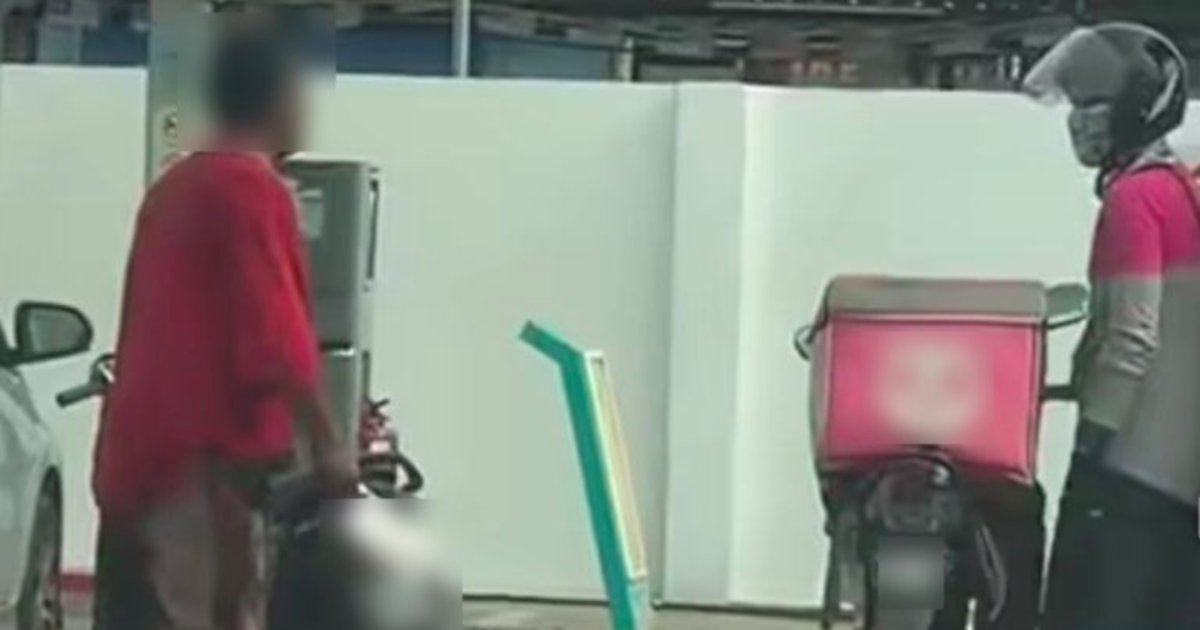
Police in Kuala Terengganu have arrested a man following an incident at a petrol station on Jalan Pasir Panjang where he allegedly displayed aggressive conduct and wielded a meat cleaver towards a p-hailing worker. The confrontation unfolded yesterday afternoon, prompting a rapid police response to the location. The arrest marks another in a mounting pattern of violent incidents involving ride-sharing platform workers across Malaysia.
The incident highlights growing vulnerabilities faced by p-hailing workers who operate independently and often find themselves in precarious situations with passengers or other members of the public. Unlike traditional taxi drivers who may have company-provided security infrastructure or regular checkpoints, ride-sharing workers frequently travel in isolation, with minimal protective measures beyond the built-in app safety features and emergency reporting buttons that many platforms have introduced in recent years.
Kuala Terengganu, the capital of Terengganu, has experienced its share of public order incidents, though violent confrontations at petrol stations remain relatively uncommon. Petrol stations in Malaysia serve as important public spaces where multiple parties converge, making them potential flash points for disputes. The location on Jalan Pasir Panjang represents a busy commercial corridor in the city where regular foot traffic and vehicular movement occur throughout the day.
Details surrounding the exact nature of the dispute between the accused man and the p-hailing worker remain limited at this stage. Police investigations typically examine whether the confrontation stemmed from a transportation transaction dispute, a personal conflict that escalated, or an entirely separate matter that happened to involve individuals with connections to the ride-sharing economy. The weapon involved, a meat cleaver, suggests the potential for serious harm had the confrontation continued or escalated further.
The use of weapons in public confrontations raises significant concerns for both law enforcement and community safety officials throughout Malaysia. Meat cleavers, commonly found in households and food preparation settings, have occasionally appeared in criminal incidents, underscoring how everyday objects can transform into instruments of violence when wielded with aggressive intent. Police responses to such incidents have become increasingly focused on de-escalation training and rapid containment to prevent wider public danger.
Ride-sharing platforms operating across Malaysia and Southeast Asia have progressively implemented safety protocols in response to documented incidents involving driver and passenger altercations. These measures typically include real-time location sharing, in-app emergency buttons, passenger verification systems, and incident reporting mechanisms. Despite these technological safeguards, physical confrontations in public spaces often occur outside the digital safety framework, requiring law enforcement intervention rather than platform-based solutions.
The broader context of public safety and security perception affects ride-sharing service uptake and driver recruitment across urban Malaysia. Incidents such as the one in Kuala Terengganu receive significant community attention through social media and local news channels, shaping public discourse around the relative safety of different transportation modes. For workers in the gig economy, such incidents reinforce the importance of situational awareness, route planning, and the establishment of clear boundaries with passengers or other persons encountered during their working hours.
Investigations into the arrested individual will likely examine his personal background, any history of violent behaviour or previous criminal involvement, and the specific circumstances that triggered the alleged weapon brandishing. Prosecutors will need to establish whether the actions constituted criminal intimidation, threatening behaviour, or more serious charges relating to the unlawful possession and display of weapons in a public space. The nature of the charges filed will significantly influence the severity of potential penalties.
From a legal standpoint, Malaysia's Penal Code contains multiple provisions addressing violent conduct and weapon-related offences. Courts have consistently imposed substantial sentences for incidents involving weapons brandished in threatening manner, particularly when vulnerable persons such as service workers are targeted. The case may establish precedent regarding employer responsibilities, if the p-hailing platform involved faces questions about driver protection protocols.
Community response to such incidents typically involves calls for enhanced police patrols, better public space surveillance, and clearer accountability mechanisms when violence occurs in commercial areas. Petrol station operators, who shoulder responsibilities for safety on their premises, may respond by implementing additional security measures, camera coverage upgrades, or staff training to manage volatile situations appropriately.
The incident underscores the evolving nature of workplace safety in Malaysia's gig economy sector, where thousands of individuals operate daily as independent contractors outside traditional employment frameworks. Unlike conventional employees, p-hailing workers typically lack occupational health and safety protections mandated for standard workplaces, creating a regulatory grey zone that policymakers continue to navigate as the sector expands across the region.

