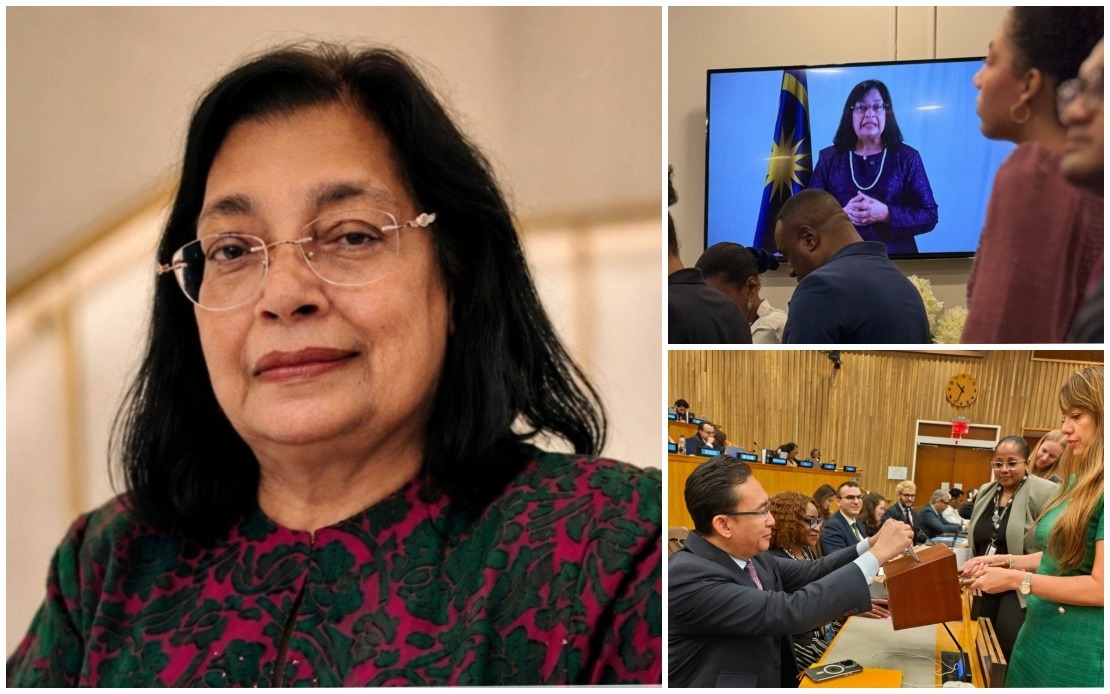
Datuk Yasmeen Muhamad Shariff has secured a seat on the United Nations Committee on the Rights of the Child for the upcoming 2027–2031 term, winning election with overwhelming international support. The voting took place during the 21st Meeting of States Parties to the Convention on the Rights of the Child at UN Headquarters in New York on Tuesday. Yasmeen's victory, confirmed by Malaysia's Foreign Ministry, came with an impressive 136 votes from the 189 States Parties that participated in the election, placing her among the highest-ranked candidates selected for the committee.
This achievement represents a significant milestone for Malaysian representation in the global human rights architecture. Yasmeen previously served on the same committee during the 2013–2017 term, making her reelection a testament to her sustained credibility and effectiveness in championing children's welfare on the international stage. Her return to the committee underscores the value of experienced advocates in addressing evolving challenges to child protection and development across diverse cultural and economic contexts.
As an independent expert serving in her personal capacity, Yasmeen will contribute to the committee's broad mandate of overseeing how signatory nations implement the Convention on the Rights of the Child. This involves conducting regular reviews of state party compliance, facilitating dialogue with governments about progress and barriers, and advocating for rights-based approaches to child-related policies. The committee's work extends beyond monitoring compliance; it shapes global discourse on how childhood should be understood and protected in an era of rapid social change, technological disruption, and climate uncertainty.
The Foreign Ministry, through Wisma Putra, hailed the election result as validation of both Yasmeen's personal expertise and Malaysia's broader commitment to advancing child protection. The ministry emphasised that the strong vote reflected confidence from the international community in Yasmeen's dedication to improving children's lives and well-being. This international endorsement carries weight beyond ceremonial recognition, as it signals that Malaysia's voice on child welfare issues carries legitimacy among peers.
For Malaysia, the election outcome demonstrates how strategic engagement with multilateral bodies can amplify the nation's influence on issues aligned with its values and development priorities. The successful campaign reflects coordinated efforts involving not only Yasmeen's individual qualifications but also institutional support from the government's child-focused agencies. The Ministry of Women, Family and Community Development played a particularly active role in the nomination process, the Foreign Ministry acknowledged, highlighting how domestic alignment strengthens Malaysia's international position.
Yasmeen's appointment carries implications for how Malaysia's child welfare policies receive international scrutiny and validation. As a committee member, she will inevitably encounter situations where she must address Malaysia's own implementation of child rights standards, balancing advocacy with accountability. This dual role—both ambassador for children's rights globally and subject of potential international examination—is common for representatives from developing nations serving on human rights bodies. The tension between these roles often generates constructive pressure for policy improvement.
The committee's oversight function touches on matters ranging from child labour and trafficking to juvenile justice, education quality, and protection from violence. In Southeast Asia's context, where economic disparities, migration pressures, and varying governance capacities create distinct child protection challenges, the committee's work takes on particular relevance. Yasmeen's appointment positions Malaysia to help shape responses to regional issues affecting vulnerable children, including those in transnational situations.
The Foreign Ministry framed the election within Malaysia's declared commitment to ensuring no child is left behind, echoing language from the United Nations Sustainable Development Goals. This framing places Malaysia within the broader global movement toward inclusive development and suggests that child welfare considerations increasingly inform domestic policy formation. However, translating international commitment into consistent domestic action remains an ongoing challenge for most nations, requiring sustained alignment between rhetoric and resource allocation.
Yasmeen's second term comes at a time when child welfare priorities are shifting globally. The COVID-19 pandemic exposed vulnerabilities in education systems, mental health services, and protection mechanisms for at-risk children. Climate change poses emerging threats to childhood security and development opportunities. The digitalisation of childhood brings benefits in access to information and services but also introduces new risks including cyberbullying, exploitation, and data privacy concerns. The committee will need to grapple with these interconnected challenges while maintaining focus on foundational rights to protection, education, and family care.
The election also reflects broader patterns in UN committee composition, where the organisation balances representation across regions while selecting individuals with demonstrated expertise and commitment. Malaysia's success in securing a seat suggests effective diplomatic engagement and that the nation's development record on child welfare measures meets international standards. Neighbouring countries and regional peers will likely monitor how Malaysia uses this platform to advance Southeast Asian priorities while contributing to universal standards.
Looking ahead, Yasmeen's work will require navigating complex questions about cultural relativism versus universal standards in child rights, the appropriate role of state versus family in child protection, and how to support child welfare in contexts of limited resources. Her experience from the previous term, combined with evolving global challenges, positions her to contribute meaningfully to these discussions. For Malaysia, maintaining this representation on a prominent UN committee validates the nation's standing as a responsible actor in the global child protection architecture and offers a platform for shaping international norms that ultimately influence how Malaysia itself approaches child welfare policy and investment.