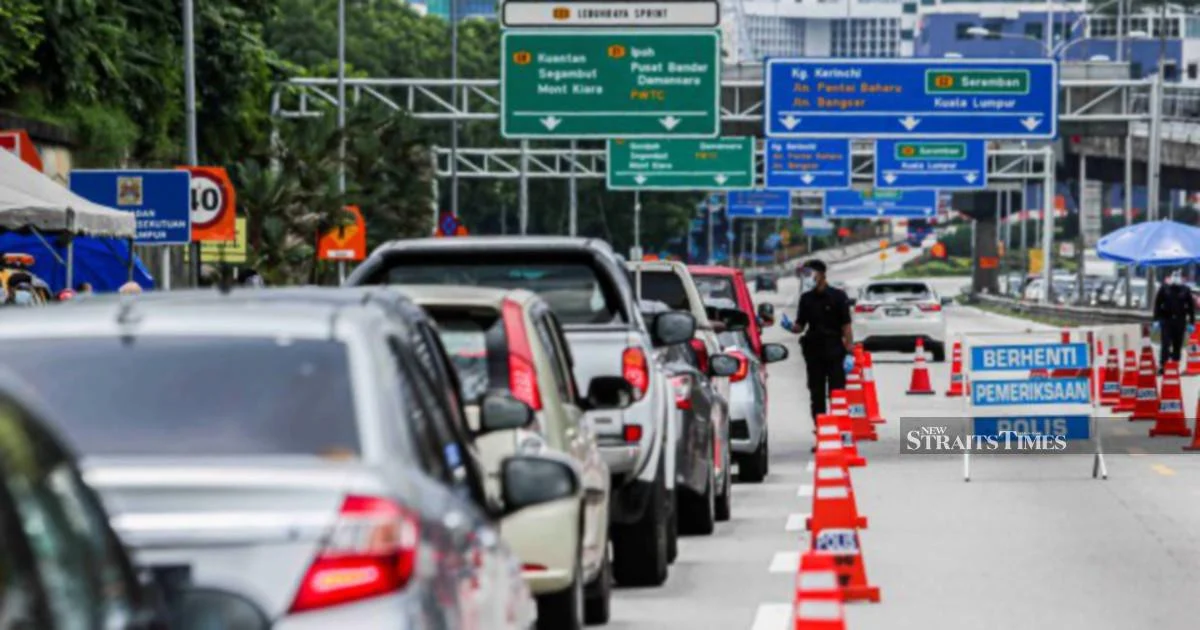
Malaysia's approach to traffic enforcement is entering a new phase as proposed amendments to the Road Transport Act 1987 signal a dramatic escalation in financial penalties for motorists. If parliament approves the legislative changes, more than 700 separate traffic offences will face a substantially increased maximum compound rate of RM500, marking a significant tightening of the nation's road safety regulatory framework and potentially doubling penalties for many common violations.
The anticipated increase to RM500 represents a notable jump from existing fine structures and reflects the government's intensifying push to improve road safety standards across the country. This move comes against the backdrop of Malaysia's persistent traffic safety challenges, where road accidents remain a leading cause of death and injury. By raising the financial consequences of traffic violations, authorities aim to create stronger deterrents that discourage dangerous driving behaviours and encourage greater compliance with road rules among the estimated 30 million motor vehicles on Malaysian roads.
The breadth of the proposed changes is noteworthy—affecting over 700 distinct offence categories under the Road Transport Act means virtually every category of traffic violation stands to see heightened penalties. From speeding and running red lights to improper lane changes and equipment violations, the elevated fine structure will touch nearly every motorist at some point. This comprehensive approach suggests that the legislative intent extends beyond targeting serious breaches to encompassing the full spectrum of traffic conduct that authorities view as requiring correction.
For Malaysian drivers, the practical implications are substantial and immediate. Regular commuters in urban centres like Kuala Lumpur, Selangor, and Penang face the prospect of considerably steeper costs if apprehended for traffic violations. Repeat offenders may find the cumulative financial burden becomes prohibitive, while even first-time violators will experience a significant deterrent effect. Truckers, delivery drivers, and commercial vehicle operators operating on tight margins will need to factor substantially higher potential penalties into their operational costs and risk assessments.
The timing of these amendments warrants consideration within Malaysia's broader road safety narrative. The nation consistently records among the highest road fatality rates in the Southeast Asian region, with thousands of lives lost annually. Various previous initiatives—from license point systems to awareness campaigns—have achieved mixed results. Authorities appear to be banking on economic disincentives as a primary motivator for behavioural change, operating on the assumption that financial pain provides a more compelling reason to follow road rules than public health messaging or educational campaigns alone.
From a regional perspective, Malaysia's move aligns with a wider trend across Southeast Asia toward stricter traffic enforcement and higher penalties. Neighbouring countries including Thailand, Indonesia, and Singapore have progressively increased fines and implemented demerit point systems in recent years, with the expectation that such measures produce measurable improvements in compliance. The Malaysian government's adoption of a similar pathway suggests policymakers view international precedent as validating their enforcement philosophy.
Implementation logistics will present their own challenges. The enforcement machinery already bears considerable strain in processing existing traffic violations across the country. Scaling up fine collection while maintaining fair administration across diverse jurisdictions—from busy urban highways to rural roads—requires both procedural clarity and adequate resources. The standard payment mechanisms, appeal processes, and provisions for hardship cases will need careful refinement to ensure the new regime operates equitably.
Economic considerations extend beyond individual drivers to broader economic impacts. Increased traffic fines effectively function as a form of taxation, transferring funds from drivers to government coffers. For low-income motorists dependent on personal vehicles for income generation—motorcycle taxi drivers, private hire vehicle operators, and others—the heightened penalties could disproportionately impact household finances and economic productivity. Transportation cost implications may ripple through supply chains affecting delivery services and small business operations.
The parliamentary process ahead will likely generate debate over whether the proposed rate adequately balances deterrent effect against potential fairness concerns. Some legislators may advocate for tiered penalty structures that account for offence severity, driver income levels, or repeat violation status. Others may question whether financial penalties alone suffice to address systemic road safety challenges that often reflect infrastructure deficiencies, inadequate driver training, or vehicle maintenance failures rather than simple rule violations.
Public reaction to the proposed changes will prove instructive for assessing receptiveness to stricter enforcement approaches. Driver associations and commercial transport operators have historically resisted significant fine increases, while road safety advocates and victim advocacy groups generally support stronger deterrents. The balance of these competing constituencies may influence how strictly or sympathetically the amended legislation is ultimately applied once implemented.
For Malaysian motorists, the prudent response involves heightened attention to compliance with traffic regulations. The prospective RM500 maximum compound rate introduces material financial risk that warrants behavioural adjustment. Beyond individual considerations, the legislative shift reflects broader governance recognition that Malaysia's traffic safety challenges require more aggressive intervention tools than currently available.
As parliament considers these amendments to the Road Transport Act 1987, the potential implications extend across the nation's 30 million motorists and the broader transportation ecosystem they operate within. Whether the increased financial consequences successfully translate into measurable safety improvements or merely increase enforcement revenue while generating public frustration will become evident only in implementation and subsequent analysis.