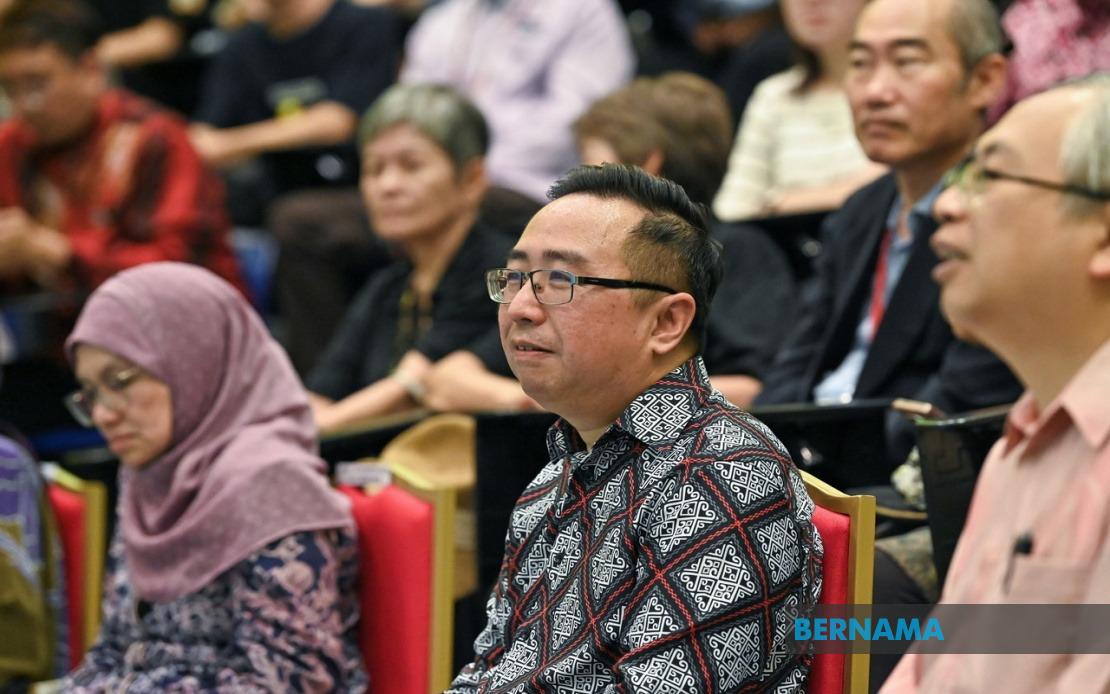
Malaysia's burgeoning technology sector is creating unprecedented employment prospects for graduates in science and engineering disciplines, according to Science, Technology and Innovation Minister Datuk Chang Lih Kang. Speaking at the 20th Malaysia Festival of the Minds held at Universiti Tunku Abdul Rahman in Kampar, the minister sought to reassure current students that career opportunities in these fields are not merely adequate but abundant, driven by a sustained wave of foreign and domestic high-tech investments entering the country.
The minister highlighted a critical skills gap facing Malaysia's technology industry. Employers across the sector are struggling to recruit sufficient qualified professionals, with vacancies substantially outnumbering the number of available graduates and experienced workers ready to step into roles. This supply-demand imbalance represents both a challenge and an opportunity—companies are eager to hire, yet the talent pipeline remains inadequate to meet their expanding needs. For students contemplating their academic futures, this dynamic suggests that their qualification in science and technology disciplines will translate directly into competitive employment options upon graduation.
Chang framed the festival as a strategic communications initiative, noting that the government wanted to engage directly with students rather than rely on passive information channels. Beyond simply announcing job availability, the ministry recognizes that prospective STEM professionals harbour legitimate concerns about technological disruption and artificial intelligence potentially displacing human workers. The outreach programme aims to provide students with a nuanced understanding of how Malaysia's Ministry of Science, Technology and Innovation views these transformations and what role human expertise will play in a technology-driven economy.
The government is taking concrete steps to expand Malaysia's STEM talent pool by working extensively with both universities and industry partners. This collaborative approach recognises that educational institutions alone cannot determine career pathways—employers must actively participate in shaping curriculum and signalling their hiring intentions. By coordinating these efforts, policymakers hope to guide more secondary school leavers toward science and technology disciplines rather than other fields, thereby building the skilled workforce that Malaysia's expanding technology sector requires.
Chang emphasized that Malaysia's attractiveness to high-tech investors is not theoretical. He pointed to tangible evidence of significant capital inflows into the country's technology sector, with multinational corporations and regional players establishing operations and expanding existing facilities. These investments are not low-skilled assembly operations but sophisticated, knowledge-intensive ventures that require engineers, technologists, and research professionals. Without a sufficient domestic talent supply, companies would either relocate their activities elsewhere or incur substantial costs recruiting foreign workers, making workforce development essential to Malaysia's economic competitiveness.
In a parallel development, the minister announced a substantial financial commitment toward advancing Malaysia's semiconductor manufacturing capabilities. The government allocated RM92 million from the Malaysia Science Endowment to strengthen advanced packaging technology—a crucial segment of the semiconductor value chain that underpins everything from consumer electronics to automotive systems and telecommunications infrastructure. This investment reflects long-term strategic thinking, as advanced packaging represents a high-value manufacturing segment where Malaysia can develop genuine competitive advantages.
Equally significant, five major industry partners contributed an additional RM93 million to the initiative, bringing total funding to RM185 million over the next two years. This public-private partnership model, where government and industry each contribute nearly equal shares, ensures that technology development reflects both national priorities and commercial viability. Rather than depending entirely on government support, the arrangement embeds market discipline and industry expertise into the innovation process. Companies investing their own capital have strong incentives to ensure the initiative succeeds and generates technologies they can actually deploy.
The minister acknowledged that developing advanced packaging technology capabilities presents substantial challenges, particularly regarding sustained funding and the inherent complexity of mastering sophisticated manufacturing processes. However, he expressed confidence that Malaysia could achieve its targeted objectives within the two-year timeframe. This technology initiative, launched earlier in the year, ultimately aims to elevate Malaysia's advanced packaging capabilities by 2028, positioning the country as a serious regional player in semiconductor manufacturing rather than merely a location for basic assembly operations.
These developments carry significant implications for Malaysian students and the broader economy. The convergence of high-tech investment inflows, demonstrated skills shortages, and substantial government-industry funding for technology development creates favorable conditions for STEM graduates entering the workforce. Companies will compete for qualified talent, potentially driving up salaries and benefits. Moreover, the emphasis on advanced packaging and semiconductor technologies suggests that Malaysia is deliberately cultivating clusters of high-value manufacturing, which typically generate better-paying jobs and greater opportunities for career advancement than traditional industries.
For Southeast Asia more broadly, Malaysia's approach demonstrates how countries can position themselves within global technology value chains. Rather than competing on labour costs alone, Malaysia is deliberately investing in technical capabilities and workforce development to capture higher-value segments of semiconductor and technology manufacturing. This strategic repositioning reflects regional economic competition, as countries throughout Southeast Asia vie for technology investment and the high-quality employment that accompanies it. Students considering STEM careers are therefore riding a wave of structural economic transformation that extends beyond Malaysia into the wider regional context.
The success of these initiatives ultimately depends on sustained implementation and genuine coordination between government, educational institutions, and industry. Policymakers must ensure that universities adapt their curricula to reflect industry needs, that funding reaches institutions and students equitably, and that the promised jobs actually materialise. For prospective STEM students, the minister's optimistic assessment appears grounded in concrete investment trends, but they would be wise to pursue disciplines aligned with the specific technologies Malaysia is prioritizing—semiconductor manufacturing, advanced packaging, artificial intelligence, and related fields where both local and foreign employers are actively recruiting.

