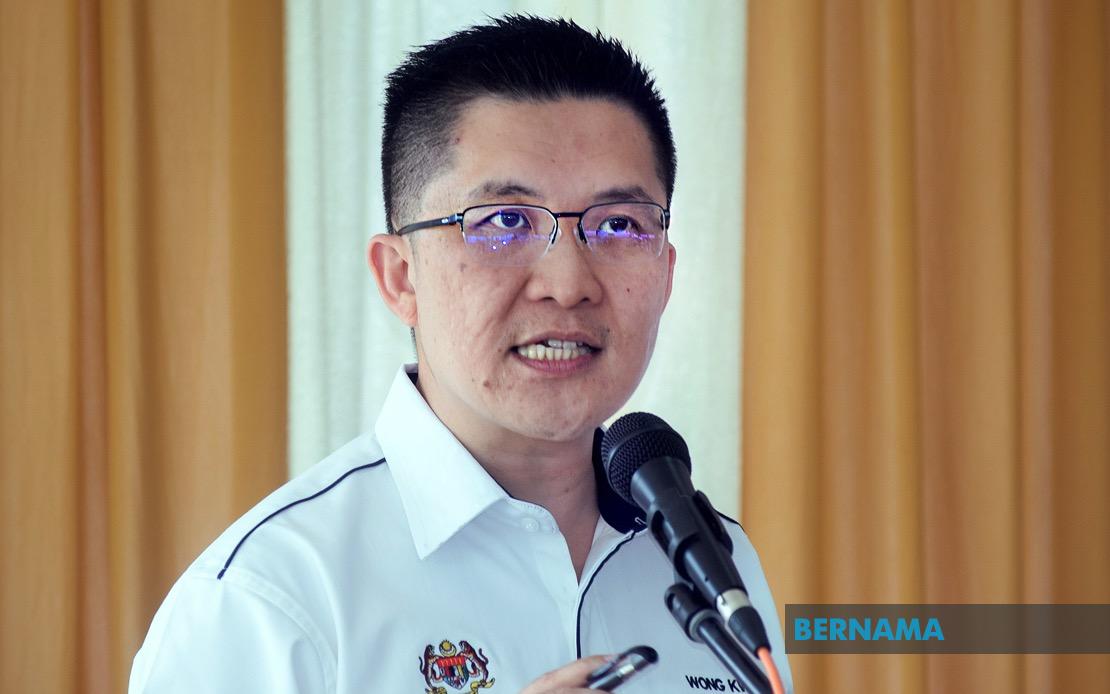
Malaysia's Tamil-medium school system continues to provide education to nearly 80,000 pupils across a network of 528 Tamil national-type schools (SJKT), according to figures presented in Parliament this week. Deputy Education Minister Wong Kah Woh revealed that as of May 31, 2026, the combined student population reached 78,501, reflecting the substantial role these institutions play in preserving and advancing Tamil language education in the Malaysian school system.
The health of Tamil-language examination participation offers a nuanced picture of the sector's trajectory. SPM candidates sitting for Tamil language papers have shown a gradual decline in recent years: 8,023 students registered in 2023, decreasing to 7,925 in 2024, then 7,693 in 2025, with 7,494 new candidates expected this year. This downward trend warrants attention from policymakers and community stakeholders, though Wong reassured the Dewan Rakyat that Tamil will remain a viable language option within the national examinations framework, available even to pupils in schools that do not offer dedicated Tamil instruction.
The Ministry of Education has anchored its commitment to Tamil education within a broader modernisation agenda. Beyond preserving existing curricula, the ministry is implementing the 2027 School Curriculum while simultaneously enhancing pedagogical quality, deepening Tamil literary studies, and sustaining targeted support programs for SJKT institutions. This multifaceted approach reflects recognition that demographic shifts and changing educational preferences require active intervention to maintain the viability and attractiveness of Tamil-medium schooling.
Johor represents a significant hub for Tamil education, hosting 71 SJKT institutions with a combined enrolment of 12,906 pupils. Within Johor Bahru district specifically, 15 schools serve 7,840 students, with four institutions commanding particularly large pupil populations. SJKT Taman Tun Aminah leads with 1,529 enrolments, followed by SJKT Ladang Rini with 1,055 pupils, SJKT Jalan Yahya Awal with 890, and SJKT Masai with 768. These flagship schools demonstrate substantial demand in certain urban localities, though distribution across the state remains uneven.
Capital investment in school infrastructure forms a cornerstone of the ministry's strategy to improve Tamil education. SJKT Ladang Rini and SJKT Kulai Besar have each received allocations of RM4.3 million for new building construction, with projects designed to accommodate an additional 200 to 300 pupils per institution. Such investments signal confidence in the sector's future and address capacity constraints in high-demand areas. However, the ministry simultaneously grapples with the inverse problem in other locations: two Johor Bahru schools, SJKT Ladang Sungai Plentong and SJKT Ladang Mados, operate with fewer than 30 pupils, necessitating alternative management approaches.
The challenge of under-enrolled schools has prompted the ministry to develop a comprehensive management framework that balances accessibility with operational efficiency. Across Malaysia, 135 under-enrolled SJKT institutions have now implemented multi-grade classroom structures, pooling pupils from adjacent year levels to sustain educational delivery despite reduced student numbers. Additionally, 36 SJKT schools have received formal approval for relocation to areas of greater demographic demand. This phased, evidence-based approach avoids precipitous school closures while responding to shifting population patterns and parental preferences.
Teacher recruitment and qualification remain critical to sustaining service quality. For primary-level SJKT instruction, the ministry has identified a requirement for 1,334 Tamil language option teachers, yet current staffing levels have surpassed this target, reaching 1,733 educators. Secondary schools present a less robust picture, with a requirement of 584 teachers currently met by 648 in post. This surplus at primary level and modest surplus at secondary level suggests improved capacity compared to historical shortfalls, though continuous professional development and retention of experienced personnel remain priorities.
Parallel to structural reforms, the ministry has prioritised transparency in examination standards and grading methodology. Wong clarified that SPM results are not determined by quota systems or predetermined percentages of passing candidates. Instead, marking panels comprising subject specialists, curriculum experts, and educational measurement professionals evaluate each cohort's performance against established competency standards and curriculum requirements. Grade boundaries consequently fluctuate according to the characteristics of examination papers in any given year and the demonstrated mastery levels of candidates—a practice aligned with international examination systems used in other Commonwealth nations and globally.
The gradual decline in Tamil SPM enrolment reflects broader demographic and social trends affecting minority language education systems worldwide. Malaysia's experience parallels patterns observed in other multicultural nations where globalisation, urbanisation, and parental aspirations toward English and Mandarin proficiency have altered educational choices. Yet the maintenance of 528 functioning SJKT schools and 78,501 pupils represents a substantial institutional commitment, underscored by government infrastructure investment and deliberate curricular integration. The sector's sustainability depends partly on whether the ministry's modernisation initiatives—curriculum renewal, pedagogical enhancement, and literary enrichment—restore appeal among Tamil-speaking families deciding school placements for their children.
For Malaysia's broader education ecosystem, the SJKT experience illuminates tensions between demographic decline and cultural preservation. While declining examination numbers merit concern, the infrastructure spending and teacher recruitment efforts suggest the government views Tamil medium education not merely as a historical legacy but as an ongoing public good warranting investment. Policymakers must ultimately navigate between respecting parental choice and maintaining viable Tamil-medium institutions, a balancing act that will likely define education policy discussions in coming years as communities reassess the value proposition of mother-tongue schooling in an increasingly competitive, English-dominant global environment.