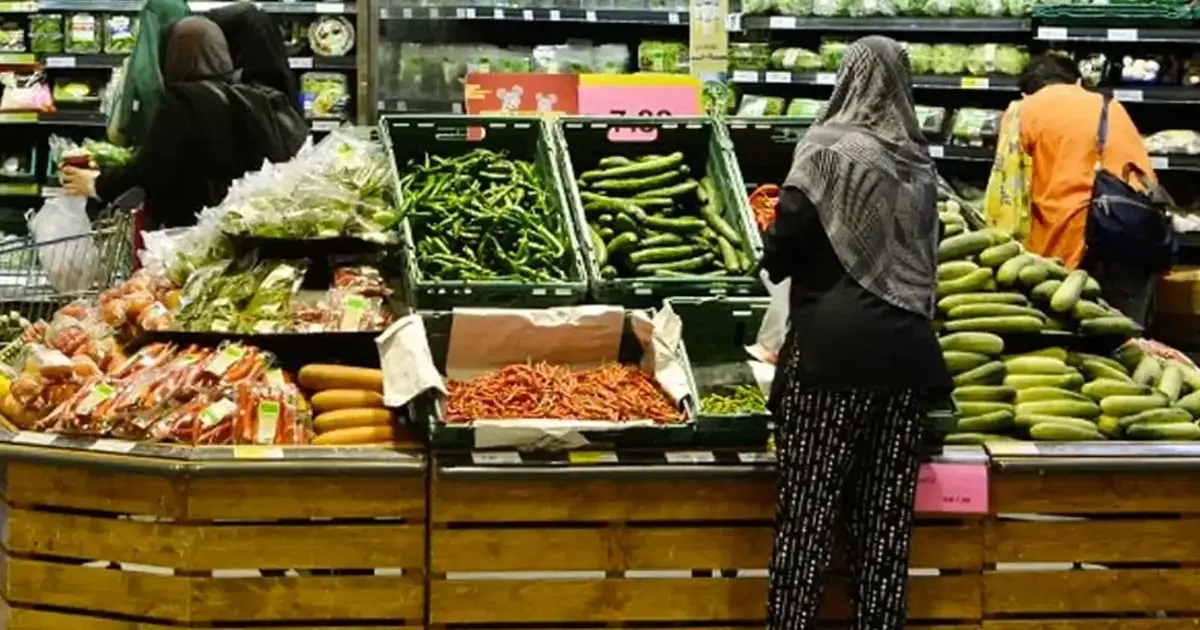
Deputy Prime Minister Ahmad Zahid Hamidi has signalled the government's intent to broaden the scope of the SARA aid programme by incorporating fresh vegetables and fruits into its subsidy framework. The proposal marks a significant potential shift in Malaysia's approach to managing household food costs, one of the most pressing concerns among ordinary Malaysians facing persistent inflationary pressures. Hamidi confirmed that the expansion initiative will be formally presented to the National Action Council on Cost of Living for deliberation and approval in due course.
The SARA programme, which currently targets essential food items and basic necessities, has become a cornerstone of the government's cost-of-living support structure since its implementation. By extending coverage to fresh produce, policymakers appear to be responding to mounting public pressure regarding the steep prices of perishable items at wet markets and supermarkets across the nation. This reflects a growing recognition that nutritious foods, particularly fresh vegetables and fruits, have become increasingly unaffordable for lower and middle-income households despite their critical role in a balanced diet.
Expanding SARA to encompass fresh produce would represent a departure from the programme's original design, which has primarily focused on staple carbohydrates, cooking oils, sugar, and other shelf-stable goods. Fresh produce presents unique logistical and operational challenges compared to non-perishable items, requiring carefully coordinated supply chains to prevent wastage while ensuring competitive pricing at the point of purchase. The government would need to work closely with farmers, distributors, retailers, and market operators to establish a viable mechanism for delivering subsidised vegetables and fruits to consumers nationwide.
For Malaysian consumers, such an expansion carries substantial practical implications. Families struggling to afford adequate servings of leafy greens, root vegetables, and tropical fruits have increasingly turned to processed and less nutritious alternatives. Rising vegetable and fruit prices have been attributed to multiple factors including supply chain disruptions, seasonal fluctuations, import dependencies, and inflationary costs affecting farm operations. A subsidy programme targeting these items could directly improve household nutrition while reducing the financial strain on family budgets already stretched thin by accommodation, utilities, and other living expenses.
The proposal also reflects broader regional economic trends affecting Southeast Asia. Several neighbouring countries have similarly wrestled with food price inflation as a key economic challenge, prompting varied policy responses ranging from price controls to targeted subsidies. Malaysia's approach through SARA represents an effort to balance market mechanisms with social safety nets, avoiding outright price controls that might discourage production or create black markets. However, the expansion's success would ultimately depend on careful design and implementation to avoid unintended consequences.
From an agricultural perspective, subsidising fresh produce could influence farmer behaviour and market dynamics in complex ways. While lower consumer prices might boost demand and consumption of vegetables and fruits—outcomes that align with public health objectives—farmers would require corresponding protections to maintain viable incomes. Without careful consideration of price floors or direct support mechanisms for producers, subsidy programmes risk discouraging agricultural investment and production, potentially worsening long-term supply shortages. The government would need to strike a delicate balance between consumer relief and farmer sustainability.
The National Action Council on Cost of Living serves as the coordinating body for such policy initiatives, bringing together ministers and officials responsible for economic affairs, trade, agriculture, social welfare, and related portfolios. This multi-agency approach recognises that cost-of-living challenges require comprehensive solutions addressing both demand-side support through subsidies and supply-side improvements through production and distribution efficiency. The council's deliberation process typically involves detailed analysis of programme costs, implementation timelines, budgetary implications, and anticipated outcomes before recommendations proceed to cabinet decision-making.
Budgetary considerations loom large in any expansion of social assistance programmes. The government must weigh the fiscal costs of subsidising fresh produce against other spending priorities and revenue constraints. Broader macroeconomic conditions, including inflation rates, foreign exchange movements, and commodity price volatility, will influence both the necessity and affordability of expanded SARA coverage. Policymakers must also consider whether targeted subsidies represent the most efficient use of public resources compared to alternative approaches such as agricultural productivity improvements or supply chain optimisation.
The timing of this proposal reflects mounting political pressure on the government to demonstrate tangible progress in addressing cost-of-living grievances that continue to dominate public discourse and shape electoral considerations. Every election cycle has increasingly centred on economic hardship narratives, with voters prioritising policies that directly reduce their household expenses. By formally proposing SARA expansion, the government signals commitment to this agenda while the council's deliberation process allows time for detailed policy development before any implementation announcement.
From a broader perspective, expanding SARA to fresh produce could catalyse wider discussions about food security, nutrition policy, and the proper role of government support in Malaysia's mixed economy. The expansion would effectively acknowledge that market forces alone have failed to keep nutritious foods affordable for significant population segments. This represents a philosophical shift toward more interventionist food policy, with potential implications for future government approaches to other cost-of-living categories.
The outcome of the National Action Council's consideration will likely signal whether the government prioritises short-term consumer relief over alternative economic strategies. Implementation challenges would be substantial, requiring coordination across federal and state governments, engagement with private sector stakeholders, and careful monitoring to prevent programme distortions. Nevertheless, the proposal demonstrates responsiveness to legitimate public concerns about household food affordability and represents a concrete policy option being seriously evaluated by Malaysia's economic policymaking apparatus.

