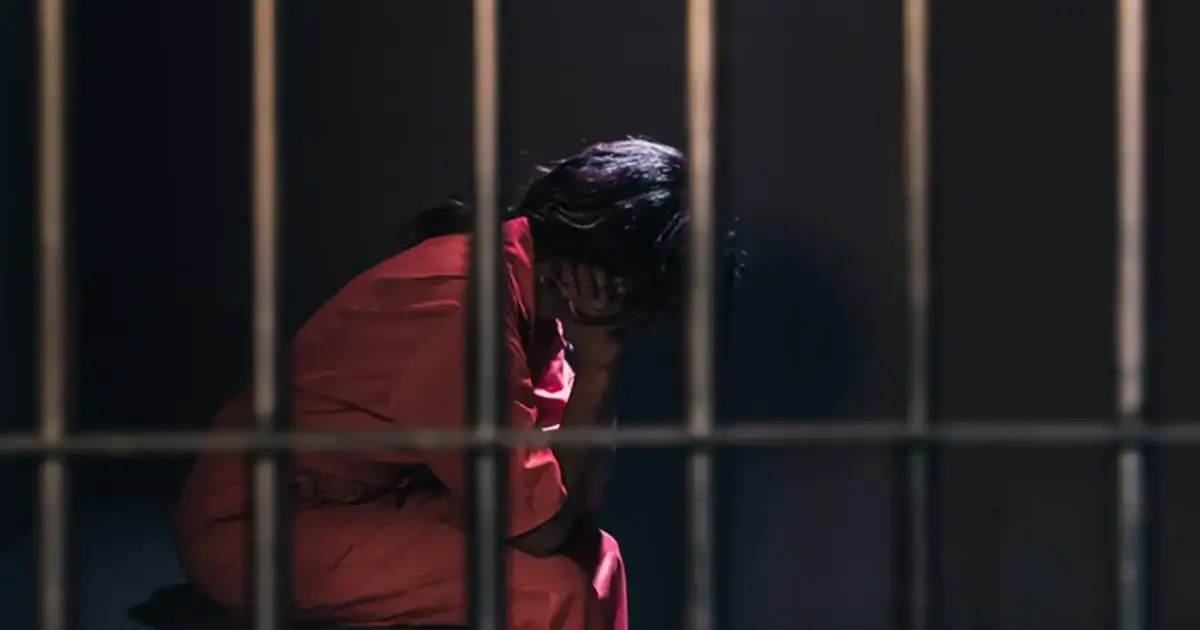
Malaysia's human rights watchdog has documented troubling evidence of mistreatment within the country's custodial system, according to its 2024 annual report released this week. The findings from Suhakam paint a picture of systemic vulnerabilities in how authorities handle detained persons and investigate allegations of misconduct, raising fresh concerns about safeguarding mechanisms in facilities where vulnerable populations remain in state custody.
Among the most serious cases highlighted is an assault perpetrated against a woman held in a correctional facility. The incident underscores risks that female detainees face while under state supervision, a particularly acute concern given women's diminished ability to resist or report abuse within hierarchical institutional settings. Suhakam's documentation of this case suggests not only that the assault occurred but that existing protocols failed to adequately protect or investigate the matter with sufficient rigour, pointing to gaps in both preventive measures and accountability mechanisms.
Beyond this specific incident, the commission has catalogued patterns of degrading searches conducted at prisons and detention depots. These practices, which often involve intrusive body searches that may cross thresholds of human dignity, reveal how normalised inappropriate screening procedures have become within the system. Such searches, when conducted without proper justification, adequate training, or adherence to strict protocols, constitute a form of mistreatment that compounds the deprivation of liberty inmates already experience. The prevalence of these practices across multiple facilities suggests an institutional culture rather than isolated incidents.
A fundamental weakness identified throughout Suhakam's assessment concerns the investigation of complaints and allegations within the prison system itself. The commission has determined that internal inquiry mechanisms are insufficiently robust, often failing to pursue complaints with the thoroughness and independence necessary to establish accountability. When detainees or inmates lodge grievances, the absence of genuinely impartial investigation creates a chilling effect, discouraging future reporting and enabling perpetrators to operate with impunity. This perpetuates cycles of abuse that remain largely hidden from public and judicial scrutiny.
The screening procedures used at detention facilities further compound these concerns. Improper detainee vetting processes not only fail to identify individuals who may pose risks but also create opportunities for abuse to occur during processing itself. When detainees first enter the system, they are particularly vulnerable, often disoriented and separated from family support networks. Screening procedures that lack proper oversight, training, and standardised protocols create environments where dignity violations become commonplace and institutional actors face minimal consequences.
These findings arrive at a moment when Malaysia's custodial institutions face mounting pressure to modernise and align with international human rights standards. The country has made commitments under various United Nations mechanisms, including the Universal Periodic Review process, to strengthen protections for persons in detention. Suhakam's detailed documentation provides evidence-based benchmarks against which Malaysia's progress on these commitments can be measured.
The implications extend beyond those currently in custody. When detention facilities become sites of systematic mistreatment, the legitimacy of the entire criminal justice system comes into question. Citizens lose confidence in state institutions designed to maintain order and uphold law. For Southeast Asia more broadly, Malaysia's practices set concerning precedents within a region where custodial standards vary significantly and regional cooperation on human rights remains contentious.
The report suggests that remedial action requires intervention at multiple levels. Prison management requires substantive reform, including enhanced training for personnel, clearer protocols governing permissible search and handling procedures, and mechanisms ensuring detainees can lodge complaints safely. Independent oversight bodies must possess genuine investigative capacity and statutory authority to compel cooperation from correctional authorities. Accountability frameworks must extend beyond administrative reprimand to include criminal prosecution where abuse crosses legal thresholds.
For female detainees specifically, the assault documented by Suhakam highlights the need for gender-sensitive protocols reflecting women's distinct security and safety requirements within custodial environments. This encompasses same-gender staffing for personal interactions, enhanced protection against sexual violence, and investigation procedures that account for trauma and power imbalances inherent to detention.
Civil society organisations working on criminal justice reform in Malaysia have long flagged these concerns, though their access to detention facilities remains restricted and their influence on policy implementation limited. Suhakam's official documentation lends institutional weight to advocacy efforts and creates benchmarks for future monitoring. The commission's role as a constitutionally mandated body means its findings carry greater official standing than NGO reports, potentially catalysing government response.
Moving forward, the critical question is whether Malaysian authorities will treat this report as a roadmap for systemic reform or a troublesome chronicle to be minimised. Meaningful change would require budget allocation to training programmes, infrastructure improvements in ageing facilities, recruitment of qualified personnel, and most importantly, establishment of genuinely independent investigative bodies empowered to hold officials accountable. Without sustained political commitment, Suhakam's findings risk becoming another well-researched document cataloguing problems that persist unchanged.

