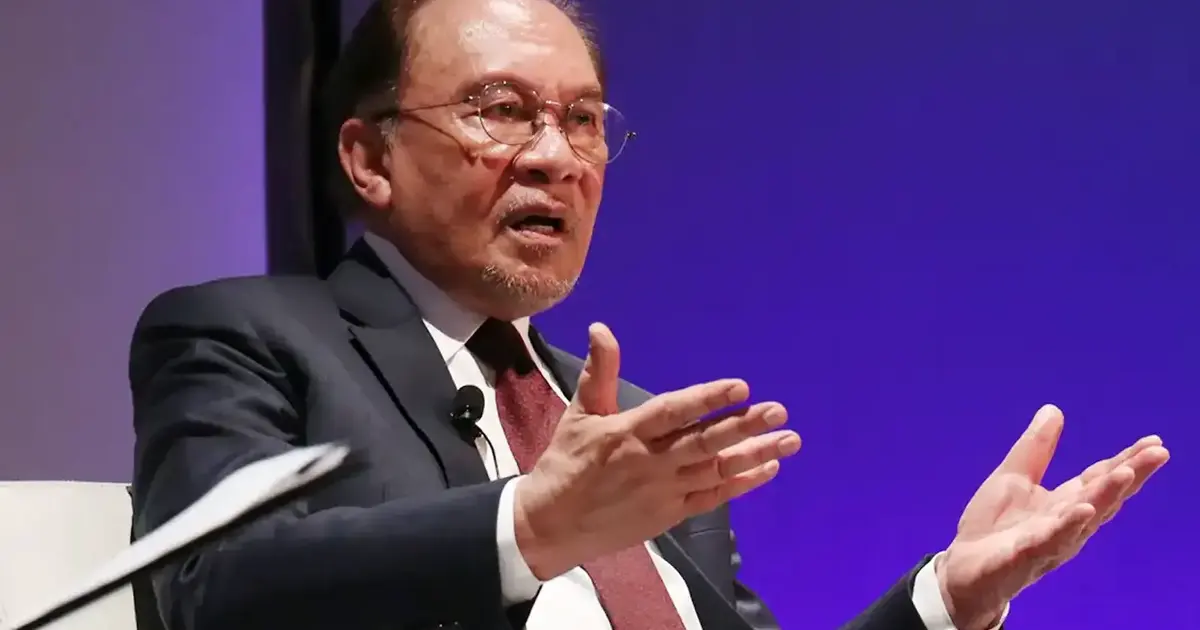
Prime Minister Anwar Ibrahim has pointed to Malaysia's second-quarter gross domestic product expansion as evidence of sustained economic resilience, underlining the effectiveness of his government's multi-year reform agenda since taking office in late 2022. The timing of Anwar's remarks reinforces the administration's narrative of steady macroeconomic stabilisation amid external headwinds and regional uncertainties that have tested Asian economies in recent quarters.
The government's three-year policy framework has centred on institutional strengthening, fiscal discipline, and structural measures designed to diversify revenue streams beyond traditional sectors. These initiatives have aimed at addressing long-standing vulnerabilities in Malaysia's economic architecture, particularly the reliance on commodity exports and the need to boost productivity across manufacturing and services. Anwar's confidence in the robustness of current fundamentals suggests the administration believes it has made tangible progress in these areas, even as global economic conditions remain fluid.
Malaysia's economic performance carries particular weight within the Southeast Asian context, where the country serves as a bellwether for regional stability. As one of the region's largest economies alongside Indonesia and Thailand, Malaysia's trajectory influences sentiment about the broader economic health of ASEAN. A resilient Malaysian economy supports regional confidence in collective growth prospects, particularly important given competing geopolitical pressures and trade uncertainties that have characterised the past two years.
The Q2 results arrive at a critical juncture for emerging Asian economies navigating post-pandemic normalisation. Unlike some neighbours grappling with persistent inflation or currency volatility, Malaysia has managed to maintain moderate growth without severe monetary tightening, allowing policymakers some flexibility in supporting investment and consumption. This relative stability reflects, in part, the structural work undertaken since the government's formation, including measures to strengthen institutional credibility and enhance transparency in policymaking.
Anwar's emphasis on strengthened economic fundamentals speaks to the administration's focus on supply-side improvements rather than relying on short-term stimulus. The government has prioritised investments in infrastructure, digital connectivity, and human capital development as engines for sustained growth. These supply-side measures take time to yield returns, but their emphasis demonstrates a medium-term strategic perspective aimed at building competitive advantages in emerging industries rather than propping up consumption temporarily.
The political dimension of Malaysia's economic performance cannot be overlooked. The government assumed office following a period of significant political turbulence, with questions lingering about institutional stability and policy continuity. Demonstrating consistent economic performance serves to validate the administration's stewardship and builds political capital ahead of electoral cycles. Economic success becomes both a policy achievement and a political asset, particularly in a context where voter expectations for improved living standards remain high.
Yet challenges persist beneath the headline growth figures. Inflation, though moderated compared to 2022-2023 peaks, continues affecting household purchasing power, particularly among lower-income Malaysians. Youth unemployment and skills mismatches remain concerns, especially as automation reshapes labour markets. Regional manufacturing competitiveness faces pressure from higher production costs compared to Bangladesh, Vietnam, and Indonesia. These structural pressures suggest that while the immediate growth trajectory appears solid, deeper transformation remains necessary for Malaysia to achieve upper-middle-income status.
The government's reform trajectory must also contend with fiscal constraints. While the three-year period has seen improvements in fiscal discipline, Malaysia's debt-to-GDP ratio remains elevated, limiting the room for countercyclical spending should external shocks emerge. Future policymaking will require balancing investment in productive infrastructure with prudent debt management, a delicate equilibrium that has tested previous administrations.
Regional policy coordination will increasingly matter for Malaysia's continued resilience. The government's economic fortunes are intertwined with regional supply chains, trade relationships, and investment flows. Maintaining constructive regional relationships while addressing domestic priorities becomes essential. ASEAN economic integration efforts, particularly under initiatives like the Regional Comprehensive Economic Partnership, offer opportunities for Malaysian businesses but require navigating complex negotiations and competitive dynamics with other member states.
The Q2 results also carry implications for monetary policy going forward. Bank Negara Malaysia's decisions on interest rates will need to balance supporting continued growth with maintaining price stability and currency strength. The central bank's credibility, rebuilt during the government's tenure, makes measured policy adjustments more credible to markets than more erratic approaches might be.
Anwar's framing of economic resilience as a product of deliberate reform efforts reflects a broader political message: that the administration's policies are delivering tangible results for ordinary Malaysians. How effectively this message resonates depends on whether growth translates into improved wages, better employment opportunities, and enhanced public services at the household level. For many Malaysians, macroeconomic stability matters less than whether their own economic circumstances are improving.
Looking ahead, maintaining the growth trajectory established in Q2 will require sustained commitment to the reform agenda while remaining responsive to emerging challenges. The government's ability to deliver on infrastructure projects, attract high-quality foreign investment, and develop domestic capabilities in high-value sectors will determine whether current resilience solidifies into long-term prosperity or proves temporary.

