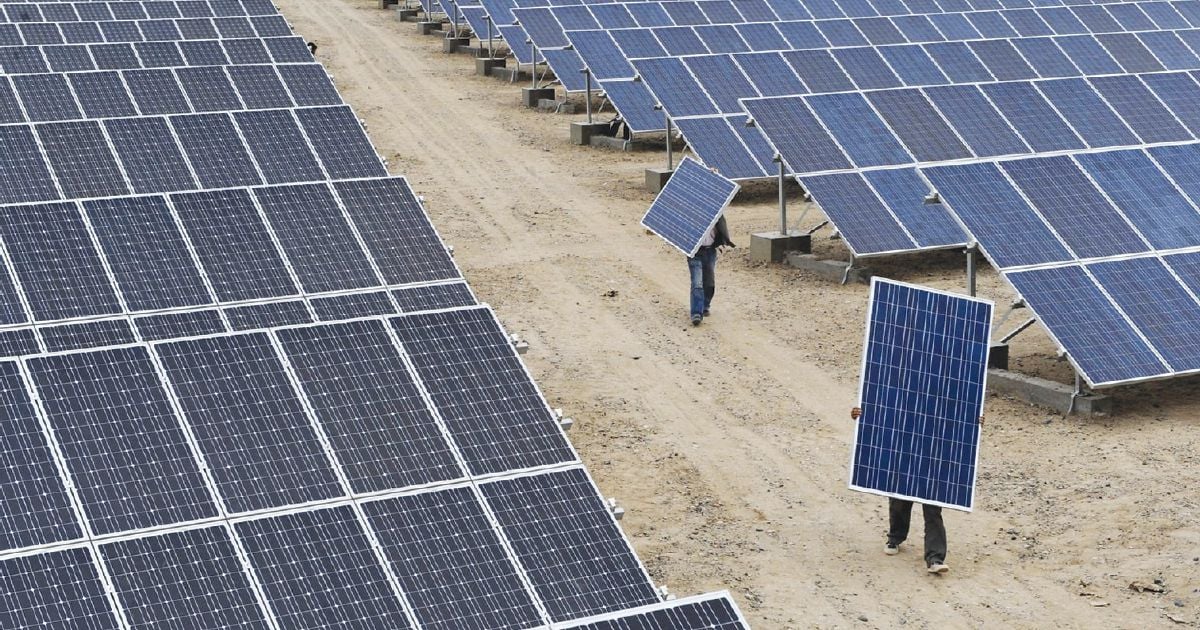
Malaysia's electricity infrastructure industry faces a constructive period ahead, with major capital spending initiatives set to drive sustainable expansion in the coming years, according to Hong Leong Investment Bank Bhd. The bank's assessment reflects confidence that the nation's power generation and distribution networks are entering a prolonged investment cycle that should structurally support publicly-listed companies with direct grid exposure.
The foundation for this optimistic outlook rests on several interconnected developments shaping Malaysia's energy landscape. The country's expanding electricity demand driven by industrial growth, urbanization, and the broader Southeast Asian economic trajectory is necessitating substantial upgrades to generation capacity and transmission infrastructure. This structural demand for power—unlikely to diminish in the foreseeable future—creates a multi-year requirement for capital expenditure that extends well beyond conventional project cycles.
For Malaysian investors and analysts monitoring the power sector, HLIB's perspective carries weight given the bank's specialized coverage of listed utilities and infrastructure operators. The emphasis on "grid-exposed players" is particularly significant, as it distinguishes between different segments of the power industry. Companies directly involved in electricity transmission and distribution networks stand to benefit most directly from infrastructure investment mandates, positioning them as primary beneficiaries of the anticipated spending wave.
The multi-year nature of this capex cycle distinguishes it from shorter-term project cycles that have historically characterized infrastructure development in the region. Rather than sharp spikes in investment followed by periods of retrenchment, this outlook suggests a more sustained flow of capital deployment spanning several years. Such consistency enables companies to plan operations more effectively, optimize procurement strategies, and maintain stable workforce levels—factors that ultimately influence shareholder returns and operational efficiency.
For Malaysia, this development holds particular relevance as the nation positions itself within broader Southeast Asian energy infrastructure trends. Regional demand for electricity continues rising as countries advance their industrial bases and expand manufacturing capabilities. Malaysia's role as a regional economic hub means its power infrastructure requirements will likely outpace some neighbouring economies, making it an attractive focus for infrastructure investors with long-term horizons.
The timing of this investment cycle also aligns with global energy transition imperatives that increasingly influence infrastructure planning across Asia-Pacific. While Malaysia's power system continues relying on conventional generation sources, the acknowledged need for grid modernization creates opportunities for infrastructure upgrades that simultaneously improve system resilience and accommodate emerging technologies. This intersection of traditional infrastructure requirements and energy transition pressures creates a particularly robust environment for power sector companies.
Listed utilities and grid operators stand to gain tangible advantages through this extended investment phase. Predictable revenue streams from government-mandated infrastructure projects provide stability that contrasts with purely commercial power generation ventures exposed to spot market volatility. This stability attracts institutional investors and supports more consistent dividend distributions, factors that have historically underpinned valuations for infrastructure-focused utilities across developed and developing markets.
The Malaysian context adds a layer of complexity that sophisticated investors must navigate. The nation's unique regulatory framework governing electricity supply, coupled with targeted government policies prioritizing energy security and infrastructure modernization, creates a policy environment that generally supports long-term infrastructure investment. Regulatory visibility regarding tariff adjustments and cost pass-through mechanisms significantly influences the attractiveness of listed power sector investments.
Looking ahead, the implications of this positive outlook extend beyond simple corporate profitability measures. Infrastructure investment in the power sector generates broader economic multiplier effects through employment creation, industrial stimulus, and enhanced capacity for attracting additional manufacturing investment. As companies plan multi-year capital programs, they will engage substantial portions of Malaysia's engineering, construction, and manufacturing sectors.
Investors evaluating Malaysia's power sector through this lens should recognize that entry points into listed grid-exposed players could present compelling risk-reward profiles during periods of market volatility. The structural tailwinds supporting the sector provide some insulation against short-term market sentiments, though individual company performance will naturally vary based on execution capabilities and regulatory relationships.
The sustainability of this investment cycle ultimately depends on macroeconomic conditions, energy policy consistency, and the continued expansion of Malaysia's industrial base. However, barring significant disruptions to regional economic growth or abrupt shifts in energy policy, the multiyear capex trajectory that HLIB identifies appears substantially anchored to structural requirements rather than cyclical fluctuations.

