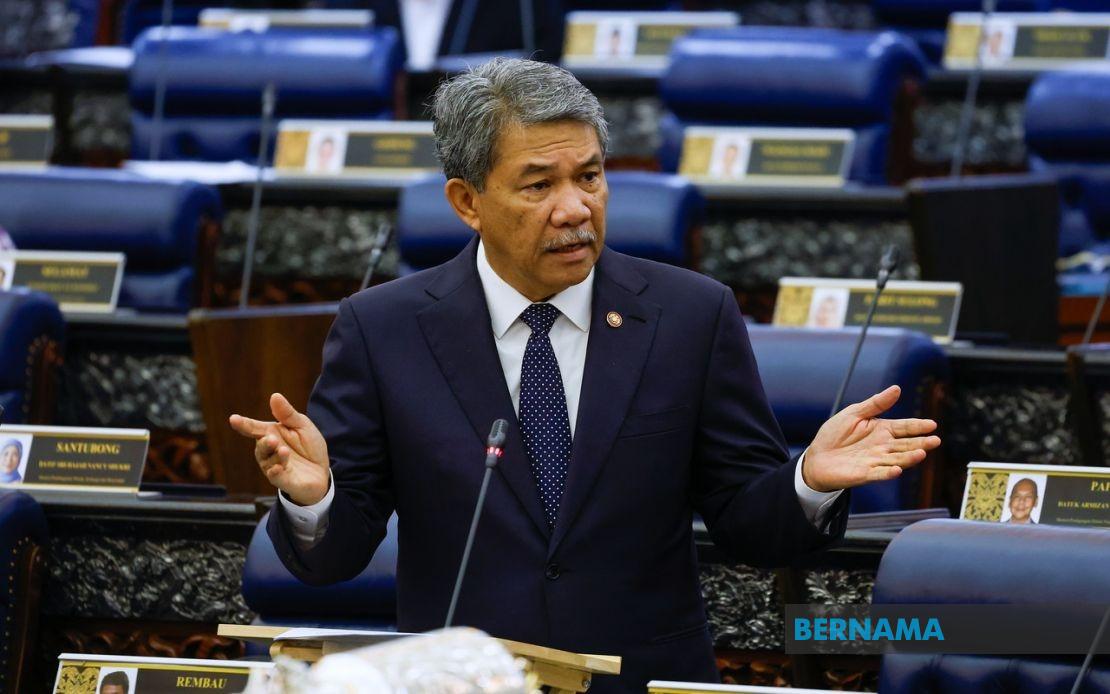
Malaysia's recent diplomatic engagement with Myanmar should not be misinterpreted as tacit acceptance of the military government, Foreign Minister Datuk Seri Mohamad Hasan said in Parliament. The May visit by a Malaysian delegation was undertaken strictly within ASEAN's framework for maintaining open communication channels while the country grapples with deepening political instability and humanitarian concerns. Mohamad's clarification came in response to parliamentary questions and underscores the delicate balancing act regional nations must perform when addressing Myanmar's crisis without appearing to legitimise the junta's authority.
The Malaysian government remains unequivocal in its refusal to formally recognise the Myanmar military regime, Mohamad emphasised. This position aligns with the broader ASEAN stance, though individual member states maintain varying degrees of pragmatic engagement with Naypyidaw. The visit itself was authorised by a decision reached at the 48th ASEAN Summit, which mandated that foreign ministers pursue informal dialogue with Myanmar. By framing the engagement as following a collective regional directive rather than Malaysia acting unilaterally, Mohamad sought to demonstrate that the initiative reflects institutional consensus rather than bilateral approval of the junta's legitimacy.
The nature of Mohamad's meeting with Myanmar Foreign Minister Tin Maung Swe carried symbolic significance. Rather than conducting official talks at Myanmar's Foreign Ministry—which would have lent the encounter formal state-to-state weight—the conversation took place at a hotel. This deliberate choice in venue signalled that despite engaging in dialogue, Malaysia was maintaining diplomatic distance and avoiding actions that might normalise relations with the junta government. Such subtle distinctions matter greatly in regional diplomacy, where perceptions of legitimacy carry tangible consequences for Myanmar's international standing.
During the encounter, Mohamad conveyed Malaysia's substantive expectations for addressing Myanmar's crisis. He articulated the specific outcomes that Malaysia and the broader ASEAN bloc seek to achieve, moving the discussion beyond mere protocol to substantive issues affecting the country's future trajectory. This approach reflects an understanding that maintaining dialogue channels provides opportunities to apply pressure on Myanmar's leadership to alter course, rather than the isolation that comes from complete disengagement. By keeping Myanmar in the conversation, ASEAN hopes to gradually steer its behavior toward compliance with agreed regional principles.
A central theme of Mohamad's messaging involved reminding Myanmar of its duties as an ASEAN member state. While the country enjoys the benefits and protections afforded to regional bloc members, it simultaneously bears obligations to uphold the bloc's charter and principles. Myanmar's rights as an ASEAN member do not absolve it from fulfilling responsibilities—a distinction that Mohamad pressed during bilateral talks. This framing resets expectations: engagement is not unconditional acceptance, but rather a vehicle for holding Myanmar accountable to regional standards while maintaining the possibility of positive evolution.
The risk of complete isolation looms large in Myanmar's immediate future, and Malaysia has evidently adopted a strategy aimed at preventing this outcome. Should Myanmar become entirely cut off from regional diplomatic processes, a dangerous vacuum would emerge that external powers might exploit to advance their own geopolitical agendas. For ASEAN, this prospect poses serious challenges to regional cohesion and stability. By sustaining communication with Myanmar, member states including Malaysia hope to preserve their collective influence over the country's direction and prevent competitors from establishing undue leverage in Southeast Asia.
Malaysia's approach reflects a calculated view that isolation would prove counterproductive to resolving Myanmar's multifaceted crisis. The longer Myanmar remains estranged from regional mechanisms, the more entrenched its military government may become and the further removed it drifts from ASEAN norms. Conversely, maintaining dialogue creates pathways for negotiation, even if progress remains incremental. This philosophy underpins ASEAN's consensus-based diplomacy, which prioritizes engagement over confrontation despite evident frustration with Myanmar's resistance to change.
The Five-Point Consensus, ASEAN's roadmap for Myanmar's political resolution, remains central to Malaysia's engagement strategy. Adopted after the February 2021 coup, the framework calls for ceasing violence, initiating dialogue among all parties, providing humanitarian assistance, allowing ASEAN's special envoy access to all stakeholders, and limiting military action. Malaysia explicitly connected its diplomatic efforts to advancing these five objectives, signalling that any engagement serves the broader goal of implementing the consensus framework. However, Myanmar's government has shown limited willingness to adhere to these benchmarks, presenting ongoing challenges to the region's conflict resolution efforts.
Future engagement between Malaysia and Myanmar is already scheduled, with Mohamad announcing that another round of meetings with Myanmar stakeholders would likely occur in early or mid-July. These gatherings represent continuity in Malaysia's diplomatic strategy—sustained, proactive engagement aimed at identifying potential pathways toward crisis resolution. Such repeated interactions provide occasions for testing Myanmar's flexibility on key issues and for building relationships with various stakeholder groups within the country. Malaysia appears to be positioning itself as a critical mediator within ASEAN's broader Myanmar engagement strategy.
The humanitarian dimension underscores Malaysia's diplomatic messaging. Beyond political considerations, Myanmar faces catastrophic humanitarian consequences from ongoing conflict, displacement, and economic collapse. Malaysia has consistently urged all parties involved in Myanmar's crisis to cease violence, implement ceasefires, engage in inclusive national dialogue, and allow unrestricted humanitarian access. These calls reflect not merely diplomatic rhetoric but genuine concern for Myanmar's civilian population, particularly given the historical connections between Malaysia and its neighbour. The humanitarian imperative provides moral grounding for maintaining engagement even when political progress appears elusive.
For Malaysian policymakers, navigating Myanmar's crisis requires threading a complex needle: remaining true to ASEAN principles and Malaysia's explicit rejection of military rule while simultaneously preserving dialogue channels that might ultimately influence outcomes. This strategy acknowledges that principled disengagement, while morally satisfying, may ultimately prove less effective at achieving stability and accountability. The FM's parliamentary intervention demonstrates the government's awareness that maintaining this diplomatic line requires constant explanation and reaffirmation, as criticism may arise both from those who believe Malaysia should take harder stances and from those questioning the value of engagement with an unresponsive junta. Malaysia's approach ultimately reflects the region's fundamental strategic challenge: balancing values against pragmatism in dealing with an intransigent neighbour.

