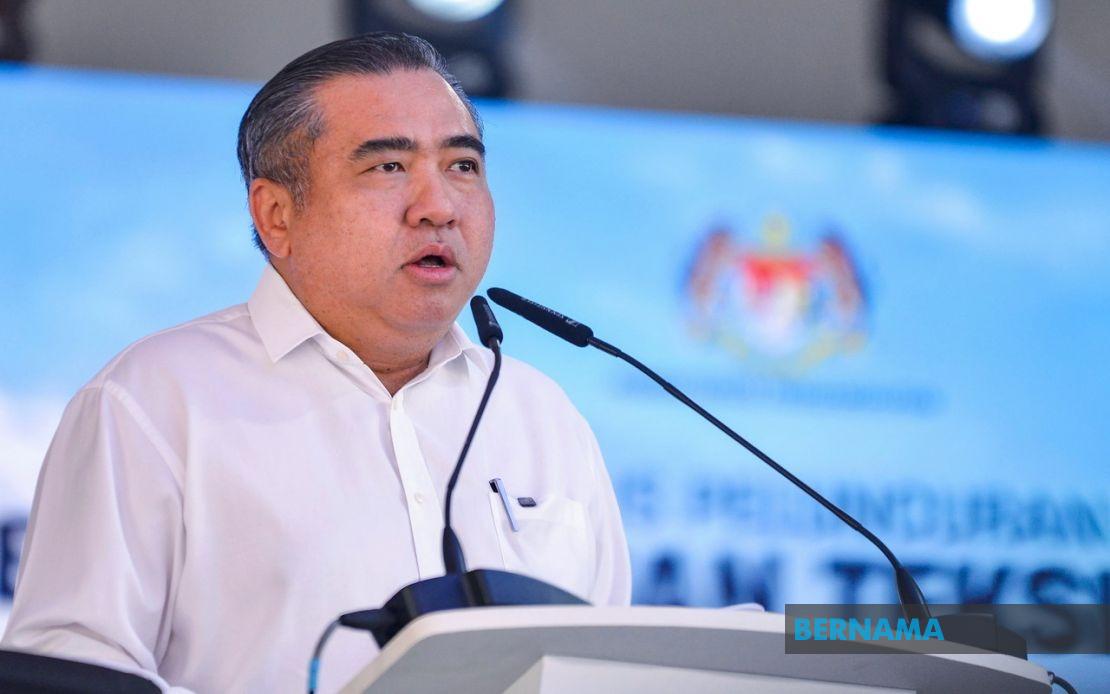
Transport Minister Anthony Loke has unveiled a fundamental restructuring of Malaysia's taxi ownership model through the National MADANI Taxi Reform Programme, officially launched at Dataran Merdeka by Prime Minister Datuk Seri Anwar Ibrahim on July 3. The initiative represents a watershed moment for the sector, transitioning drivers from the restrictive leasing arrangements that have dominated the industry for decades to a genuine ownership framework backed by special Ministry of Finance approval.
Under the reformed structure, participating taxi drivers will hold legal title to their vehicles despite funding them through financial institutions. This distinction carries significant implications, moving beyond cosmetic changes to address a long-standing grievance among drivers who historically operated under arrangements where they bore operational risks while lacking ownership security. Loke's emphasis on distinguishing this model from previous schemes underscores recognition that drivers have endured disadvantageous terms for too long, where vehicle ownership remained concentrated among fleet operators and finance companies.
The programme mandates the Proton S70 sedan as the standardised taxi model nationwide, a decision grounded in practical considerations spanning vehicle safety specifications, interior passenger comfort standards, and operational fuel economy. This selection reflects deliberate policy choices to elevate service quality while reducing running costs that directly affect driver profitability and sustainability. The shift from Malaysia's iconic yellow-and-black aesthetic to modernised vehicles without traditional roof-mounted advertising toppers signals broader ambitions to rebrand taxis as contemporary transport solutions competing effectively against ride-hailing platforms.
Vehicles under the programme carry distinctive registration plates beginning with letters "GET", creating immediate visual differentiation in traffic and simplifying regulatory oversight. This branding element supports government tracking of scheme participation and builds public recognition of reformed taxis, potentially encouraging passenger confidence through association with standardised, properly maintained vehicles. The registration system also facilitates data collection on programme performance and driver compliance metrics.
Beyond vehicle ownership and specifications, the reform package addresses driver income diversification through monetised cabin advertising. The collaboration between the Transport Ministry and private sector partners introduces digital advertising screens within taxi interiors, creating supplementary revenue channels that acknowledge taxi operation's narrow traditional margins. This approach reflects understanding that modernising the industry requires expanding income sources beyond passenger fares alone, particularly as competition from digital platforms intensifies.
Integration with digital booking ecosystems represents another structural evolution embedded in the programme. By enabling connectivity through e-hailing platforms, MADANI taxis gain access to customer bases that traditional street-hailing cannot reach, while maintaining their distinctive operating model and regulatory status. This technological integration positions traditional taxis competitively without forcing complete transformation into ride-hailing operations, preserving the regulated taxi sector's identity while acknowledging modern consumer expectations around digital transactions.
The reform carries particular significance for Malaysia's transport landscape and gig economy context. While ride-hailing services have fundamentally disrupted traditional taxi markets across Southeast Asia, Malaysia's structured approach attempts preserving regulated taxi operations through modernisation rather than abandonment. For drivers, vehicle ownership represents asset accumulation and financial stability, establishing collateral and equity that leasing arrangements never provided. This distinction matters substantially for generational wealth-building and driver retirement security.
For passengers and the broader public, standardised modern vehicles with improved safety features, consistent maintenance standards, and digital accessibility address long-standing service quality complaints. The elimination of individualistic vehicle conditions and fare disputes through structured digital integration promises more predictable taxi experiences. Similarly, formalised ownership structures support more transparent regulatory frameworks, potentially reducing informal arrangements that have sometimes characterised traditional taxi operations.
The programme's launch with Prime Minister attendance and participation from Federal Territories Minister Hannah Yeoh and Kuala Lumpur Mayor Datuk Seri Fadlun Mak Ujud indicates high-level political investment in taxi sector stabilisation. This governmental commitment suggests sustained support beyond initial announcement, with implications for implementation funding, regulatory adjustments, and potential expansion to other Malaysian cities beyond the initial Kuala Lumpur deployment.
Implementation will reveal whether ownership reforms successfully attract drivers away from ride-hailing alternatives and whether income supplementation through advertising adequately compensates for traditional fare pressures. The scheme's success depends partly on driver acceptance, financial institution participation, and public willingness to utilise reformed taxis despite ingrained preferences for digital ride-hailing platforms. Comparative performance metrics between GET-registered taxis and conventional operations will provide crucial data on whether structural reforms alone suffice for sector revitalisation, or whether additional interventions addressing regulatory pricing, operational territories, and competitive frameworks remain necessary.

