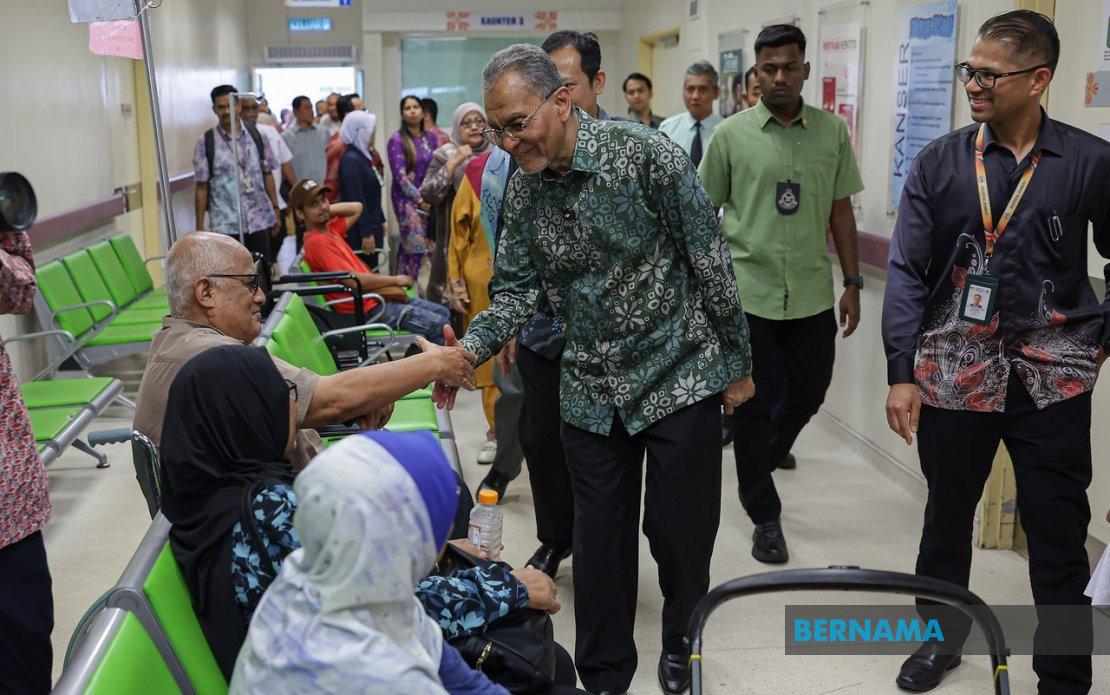
Malaysia's Ministry of Health is moving forward with concrete plans to establish a comprehensive workplace mental health policy, with Health Minister Datuk Seri Dr Dzulkefly Ahmad targeting completion of the draft by September or October this year. The timeline reflects the ministry's commitment to developing robust guidelines that address the growing recognition of mental wellness as a critical component of occupational health and safety in the country.
The policy development process involves extensive consultation with multiple government and private sector partners. The Ministry of Human Resources, the Department of Occupational Safety and Health, the Malaysian Employers Federation, and the Malaysian Trades Union Congress will all play key roles in shaping the final framework. This multi-stakeholder approach acknowledges that effective workplace mental health initiatives require coordination across labour regulations, employer practices, and worker advocacy.
Dzulkefly emphasised that the timeframe allows his ministry's team sufficient opportunity to conduct thorough engagement sessions before finalising the policy and accompanying guidelines. The deliberate pace reflects the complexity of balancing various workplace needs and ensuring the resulting framework is both practical and comprehensive. Mental health challenges in the workplace have increasingly become a focal point for employers, workers, and policymakers across Southeast Asia, making Malaysia's proactive stance particularly relevant.
Beyond merely offering counselling services—a suggestion some stakeholders have made—the policy will encompass a broader range of supporting elements. Work-life balance initiatives and institutional support mechanisms for employees are expected to feature prominently. This holistic approach recognises that sustainable mental wellness requires systemic changes rather than isolated interventions, addressing root causes of workplace stress including excessive workloads and inadequate recovery time.
The initiative aligns with Malaysia's commitment to the Sustainable Development Goals, specifically those targeting health and well-being. By embedding mental health considerations into occupational frameworks, the ministry aims to create working environments that actively promote employee wellness rather than merely addressing crises after they occur. This preventive stance could reduce burnout rates and associated productivity losses across Malaysian industries.
The policy also reflects broader recognition that employers have both a moral and practical incentive to invest in mental health infrastructure. Workplaces with adequate mental health support systems experience lower absenteeism, improved employee retention, and enhanced productivity. For Malaysian businesses competing in regional markets, robust mental health policies can become a competitive advantage in attracting and retaining talent.
In related developments, Dzulkefly outlined the Ministry of Health's broader healthcare transformation strategy through the cluster hospital concept. Under this model, specialist doctors from designated lead hospitals provide services to smaller, non-specialist facilities, effectively distributing expertise across the healthcare network. This approach allows Malaysia to enhance specialist capacity without necessarily constructing new hospital facilities, a more efficient use of resources given budgetary constraints.
Non-specialist hospitals nationwide will be progressively upgraded to offer selected specialist services based on local demand and population needs. Rather than attempting to make every hospital a comprehensive centre, the ministry is adopting a targeted approach that strengthens specific disciplines where gaps exist. Paediatrics, obstetrics and gynaecology, ophthalmology, and ear, nose and throat services are among the priority areas for capacity building.
This decentralised model has significant implications for Malaysians outside major urban centres. By strengthening specialist services at regional hospitals through the cluster system, the ministry aims to reduce patient travel burdens and improve access to quality care. The strategy also supports development of healthcare infrastructure without the massive capital expenditure of building new specialist hospitals, allowing resources to be redirected toward equipment, training, and staffing.
The healthcare transformation strategy and the workplace mental health policy represent complementary initiatives within the Ministry of Health's broader vision. A healthier, mentally supported workforce contributes to a more productive society, which in turn reduces demand on healthcare systems. For Malaysia's economy and social development, these initiatives address both immediate workplace needs and longer-term public health resilience.
The September-October timeline for the mental health policy is realistic given the consultation requirements, yet it also reflects urgency—acknowledging that workplace mental health cannot be indefinitely delayed. Implementation will likely follow a phased approach, with initial guidance for larger employers and subsequent extension to smaller businesses and informal sectors. Success will depend on genuine buy-in from employers and effective communication to workers about available support mechanisms.

