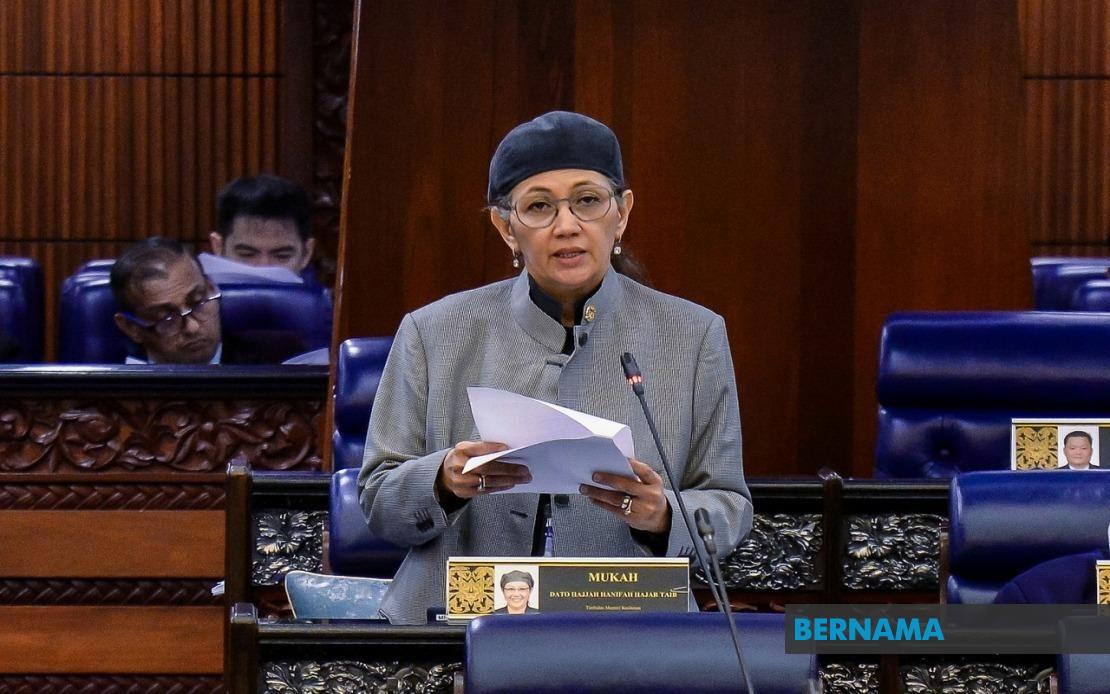
Malaysia's healthcare workforce challenges have taken centre stage in Parliament, with the Ministry of Health announcing an ambitious plan to deploy 560 permanent medical officers to Sabah in October 2026. Deputy Health Minister Datuk Hanifah Hajar Taib disclosed the initiative during today's Dewan Rakyat session, framing it as a critical intervention to combat the state's entrenched doctor deficit that has plagued the region's health infrastructure for years.
The scale of Sabah's medical officer shortage underscores the urgency of the Ministry's response. Currently, the state operates with 2,803 established medical officer positions, yet more than one-third remain unfilled or unavailable. The breakdown reveals a system under considerable strain: 1,863 positions—representing 66.5 per cent of posts—are actually staffed, while 366 officers are pursuing further studies and 570 positions sit vacant. To bridge this substantial gap, the Ministry has relied heavily on contract doctors, deploying 680 such practitioners across Sabah to maintain basic service delivery.
Realistic expectations, however, temper the optimism surrounding these new appointments. Hanifah Hajar acknowledged that historical reporting rates for medical officer postings have consistently fallen short of targets, rarely exceeding 50 per cent. Applied to the 560 positions offered in Sabah, this pattern suggests approximately 280 officers will actually commence duties, still leaving a shortfall of some 256 medical officers against identified needs. This recurring challenge—where posted officers either decline assignments or fail to report—reflects deeper issues within Malaysia's medical workforce distribution system, including urban-rural preference imbalances and quality-of-life considerations that influence placement decisions.
The Ministry's broader recruitment drive extends well beyond Sabah's borders. Nationally, the Health Ministry is executing an accelerated two-phase strategy to fill 4,500 permanent medical officer positions. The first phase, scheduled for June 2026, will see 328 newly appointed officers reporting to health facilities across Malaysia. Of these, 39 positions were designated for Sabah, yet the preliminary results demonstrate the persistent recruitment challenge: only 20 officers reported for duty, while 19 declined their postings. This 51 per cent no-show rate in the initial cohort validates the Ministry's conservative projections for the upcoming October 2026 appointments.
Beyond mere numbers, the Ministry has implemented structural reforms intended to improve placement outcomes and geographic distribution. The enhanced e-Placement system, introduced in 2025, now mandates that contract officers transitioning to permanent positions select at least one placement option from either Sabah, Sarawak, or Labuan. This requirement seeks to incentivize service in underserved regions by making it a non-negotiable condition of permanent employment rather than an optional consideration. The policy reflects acknowledgment that market forces and individual preference alone have failed to achieve equitable distribution of medical professionals across Malaysia's diverse geography.
The allocation framework further demonstrates the Ministry's commitment to East Malaysian healthcare development. Through the e-Placement system's formal quota system, Sarawak has been assigned 650 permanent medical officer positions while Sabah receives 310 slots. Combined, these two states account for 42.7 per cent of the total nationwide placement quota of 2,248 positions, signalling deliberate prioritization of these regions in the national distribution strategy. This proportional emphasis acknowledges both the scale of existing shortages and the imperative to strengthen healthcare capacity in Malaysia's eastern states.
Sabah's healthcare workforce challenges must be understood within the context of broader performance indicators. According to the 2024 Health Indicators report, eight states including Sabah fall below Malaysia's national average for doctor-to-population ratio, indicating a systemic imbalance in physician distribution across the country. However, the trajectory shows promise: Sabah achieved a 25.1 per cent improvement in its doctor-to-population ratio between 2020 and 2023, demonstrating that targeted interventions can yield measurable results. Sustaining this upward momentum requires both continued investment and innovative strategies to attract and retain qualified medical professionals.
The timing of these appointments arrives amid intensifying pressure on Sabah's healthcare system. The state's remote geography, dispersed population centres, and economic constraints have historically made it challenging to recruit and retain medical talent. Many newly qualified doctors prefer assignments in more developed urban centres where career advancement opportunities, specialist training access, and family considerations align more favourably. For contract physicians currently serving in Sabah, the transition to permanent status combined with mandatory placement requirements could either stabilize the workforce or trigger departures if conditions remain unattractive relative to opportunities elsewhere.
Parliamentary interest in this issue, exemplified by Mohd Kurniawan Naim Moktar's raised concerns, reflects growing recognition that healthcare workforce shortages directly impact public health outcomes and community confidence in government medical services. Sabah's position as a frontline state facing both geographic and demographic challenges makes it a bellwether for Malaysia's ability to deliver equitable healthcare access. The effectiveness of the Ministry's latest initiative will likely influence policy approaches toward other underserved regions and may set precedent for future workforce development strategies.
Looking forward, the Ministry faces the dual challenge of ensuring targeted recruitment meets stated targets while simultaneously maintaining service quality during the transition period. The 280 officers realistically expected to report in October 2026 will represent meaningful progress but not complete resolution of Sabah's physician deficit. Success will require sustained commitment beyond this single recruitment cycle, alongside parallel investments in healthcare infrastructure, medical education capacity, and conditions that make long-term service in Sabah professionally and personally viable for qualified practitioners.

