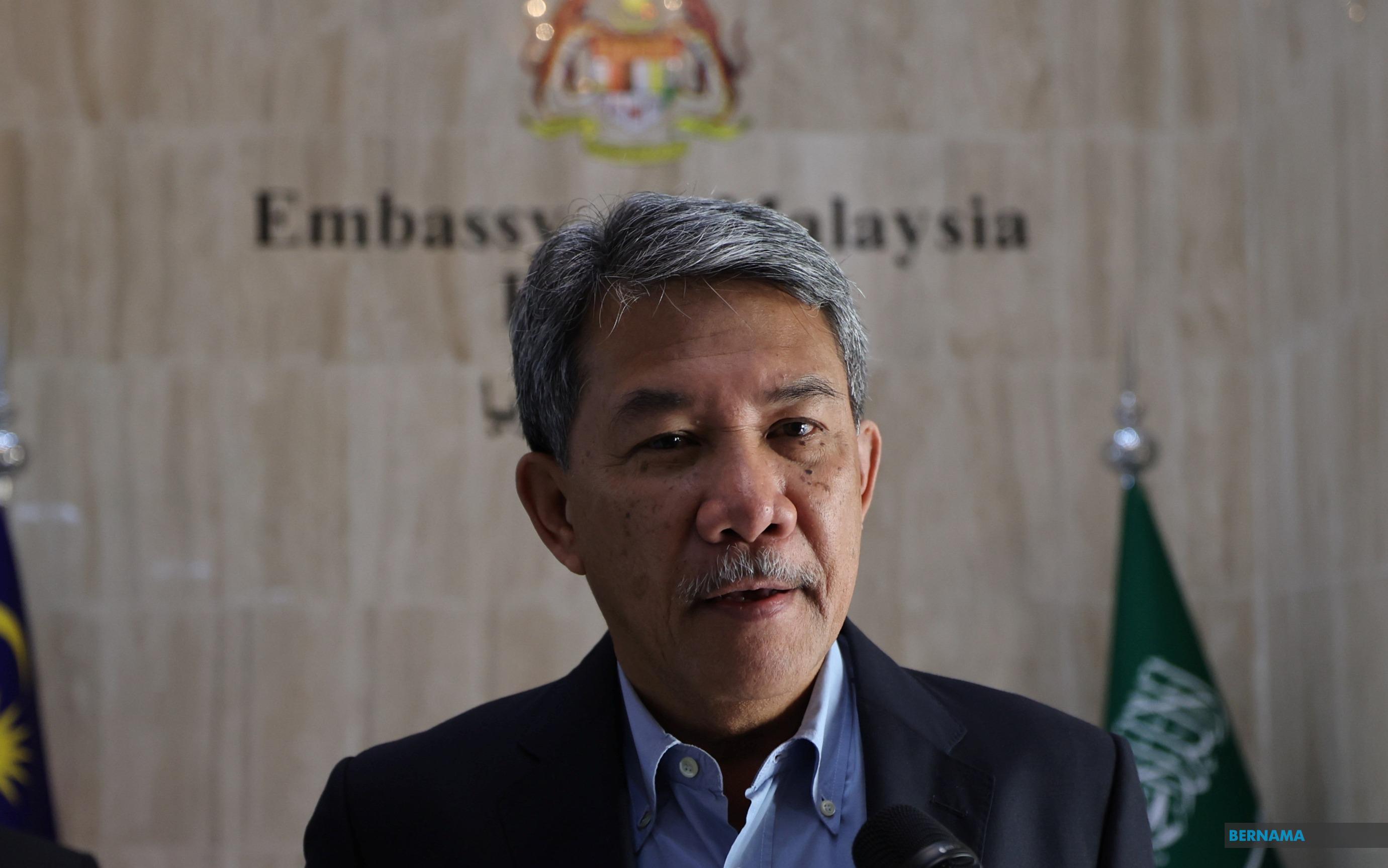
Foreign Minister Datuk Seri Mohamad Hasan touched down in Jeddah on Monday evening to represent Malaysia at a specially convened gathering of the Organisation of Islamic Cooperation's Council of Foreign Ministers. Landing at King Abdulaziz International Airport at 5.45 pm, the minister was received by Malaysian Ambassador to Saudi Arabia Datuk Syed Bakri Syed Abdul Rahman, marking the start of Malaysia's diplomatic engagement at this critical juncture for the Muslim world.
The extraordinary session scheduled for Tuesday will centre on pressing developments affecting Palestinian territories, with particular focus on the escalating situation in Gaza and the West Bank, alongside the contentious expansion of settlements deemed illegal under international law. This convening underscores the heightened concern among OIC member states about the trajectory of events in the region and the need for coordinated diplomatic response.
Heading a Malaysian delegation to the one-day meeting, Mohamad will articulate the nation's principled stance through a formal National Statement. This address will reaffirm Malaysia's steadfast commitment to the legitimate aspirations of the Palestinian people and their fundamental right to establish an independent and sovereign state within the borders that existed prior to the 1967 conflict. Such statements carry symbolic and political weight within the OIC framework, signalling alignment with broader Muslim consensus whilst allowing individual nations to emphasise their particular diplomatic priorities.
According to Ambassador Syed Bakri, Malaysia's attendance at this gathering holds considerable significance beyond mere representation. The participation serves as a platform for the country to communicate its firm opposition to what it characterises as Israeli actions and aggression directed against Palestinian territories. For Malaysia, an influential voice within the OIC and a longstanding advocate for Palestinian rights, such meetings provide opportunities to translate rhetoric into coordinated multilateral action, whether through joint statements, resolutions, or unified advocacy at international forums.
The National Statement that Mohamad will deliver has been crafted to emphasise continuity in Malaysia's foreign policy regarding the Israeli-Palestinian question. By referencing the pre-1967 borders as the basis for Palestinian statehood, Malaysia aligns itself with the international consensus enshrined in UN resolutions and the Arab Peace Initiative. This framing is particularly important for Malaysian audiences, as it demonstrates that the government's position remains consistent with the principles articulated in the Federal Constitution and Malaysia's historical commitment to supporting Palestinian self-determination.
Beyond the formal agenda addressing Palestine, Mohamad's presence in Jeddah creates valuable opportunities for bilateral diplomacy. The minister is anticipated to engage with counterparts from multiple nations to explore avenues for strengthening two-way cooperation. These side meetings often prove as consequential as the main session itself, allowing foreign ministers to discuss matters ranging from expanding business and trade partnerships to identifying new investment opportunities that benefit both parties. For Malaysia, such interactions represent chances to deepen relationships with strategic partners within the Islamic world whilst advancing economic interests.
The timing of this extraordinary OIC meeting reflects intensifying international attention on Middle Eastern affairs. By bringing together foreign ministers on short notice, the organisation signals the gravity with which member states view current developments. Malaysia's participation positions it alongside other significant Islamic nations in responding collectively to regional tensions, reinforcing the country's role as a responsible stakeholder in global affairs rather than a peripheral observer.
The bilateral discussions scheduled around the main agenda carry particular relevance for Southeast Asian diplomacy. As a non-Arab Muslim-majority nation with significant geopolitical weight in its region, Malaysia's engagement in OIC forums helps bridge conversations between Arab states and broader Islamic constituencies. These conversations, conducted in Jeddah during this period of heightened concern, may yield understandings about coordinated approaches to Middle Eastern challenges that ripple across other international platforms.
For Malaysian readers and policymakers, Mohamad's visit underscores the government's commitment to active participation in multilateral Islamic institutions. Rather than limiting engagement to bilateral relationships or regional bodies like ASEAN, Malaysia continues to play a visible role in OIC deliberations, contributing its voice to discussions affecting the broader Muslim world. This diplomatic engagement reflects the country's understanding that its interests and values intersect with developments far beyond Southeast Asia's borders.

