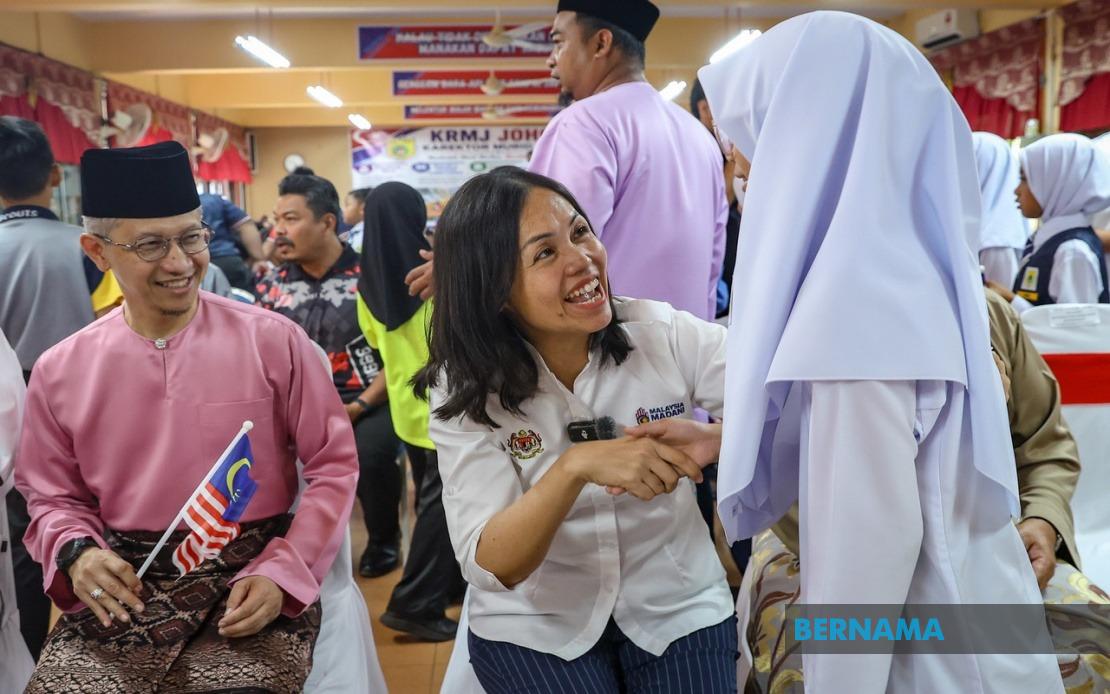
The Malaysian government is positioning the local film industry as a key component of its economic development strategy, with the Ministry of Communications flagging substantial backing for the sector in Budget 2027. Deputy Minister Teo Nie Ching disclosed the initiative during an inspection in Kulai on Wednesday, underscoring the administration's commitment to nurturing what officials describe as part of the broader creative economy landscape.
Official Budget 2027 allocations tied to the Communications Ministry remain under wraps pending a scheduled meeting between the ministry and the Ministry of Finance next week. However, Teo indicated that preliminary conversations have already taken place, with the Communications Ministry formally presenting proposals to strengthen the film industry's operational and developmental capacity. These discussions represent a deliberate effort to translate policy intent into concrete fiscal commitments before formal budget announcements materialise.
The strategic emphasis on film industry support reflects a wider governmental pivot toward the so-called orange economy—a conceptual framework encompassing creative industries including film, music, design, and digital content. For Malaysia, which has long sought to position itself as a regional creative hub competing with centres like Singapore and Thailand, sustained investment in film production infrastructure and talent development represents a crucial competitive advantage. The sector's capacity to generate employment, attract international partnerships, and contribute meaningfully to gross domestic product has not escaped policymakers' attention.
When pressed on the specific quantum of financial support the ministry would request, Teo deflected to broader governance constraints, noting that allocation levels must align with the government's overall fiscal capacity and budgetary priorities. This measured response reflects the competing demands across multiple ministry portfolios and the need to balance development ambitions with fiscal prudence. Nonetheless, her emphasis on ensuring "various effective policies" suggests the government may pursue a multi-faceted approach beyond simple budget increases.
The Communications Ministry's strategic framing centres on maintaining and expanding the film industry ecosystem rather than pursuing one-off injections of capital. This longer-term developmental perspective indicates policymakers recognise that sustainable growth requires institutional frameworks, regulatory clarity, and coordinated support mechanisms operating across production, distribution, and exhibition channels. For Malaysian filmmakers and production houses, this signals potential relief from existing operational bottlenecks and expanded opportunities for both domestic and international co-production ventures.
Context matters considerably here. The Malaysian film industry has faced persistent challenges including limited domestic financing mechanisms, regulatory complexities, and competition from streaming platforms. A more supportive policy environment could unlock considerable creative potential—the country boasts talented directors, cinematographers, and technical crews whose work has earned international recognition despite operating under resource constraints. Enhanced government backing might accelerate the transition from subsistence-level independent productions to commercially viable projects capable of competing regionally and globally.
The timing of this initiative carries additional significance given Southeast Asia's emergence as an increasingly attractive destination for international film production. Thailand, Vietnam, and Indonesia have aggressively pursued incentive schemes to capture foreign productions, generating substantial economic activity and skills transfer. Malaysia risks losing ground without comparable competitive positioning. Budget 2027 allocations could therefore represent a strategic correction aimed at recapturing market share within the region's dynamic creative economy.
Teo's comments also illustrate the intersection between cultural policy and economic development strategy within Malaysia's governance framework. By positioning film industry support as integral to orange economy objectives, the government tacitly acknowledges that creative sectors merit developmental parity with traditional industries. This conceptual shift—treating cultural production as economically significant rather than merely entertainment—increasingly characterises progressive policy frameworks across developed and developing economies alike.
Beyond film, Teo's inspection activities in Kulai highlighted the Communications Ministry's broader engagement with community stakeholders. Her visit to the Sri Maha Mariamman Temple construction site and subsequent distribution of food baskets to B40 households demonstrated the ministry's multifaceted responsibilities spanning cultural affairs, religious institution support, and poverty alleviation programming. The temple had previously received RM248,560 from the 2025 Non-Muslim Houses of Worship allocation, demonstrating established channels through which government support reaches grassroots constituencies.
Looking forward, Malaysian stakeholders in the film industry—including production companies, independent filmmakers, technical service providers, and entertainment venture capitalists—will monitor emerging budget announcements with considerable interest. The Communications Ministry's preliminary positioning suggests receptiveness to enhanced funding, though the quantum and specific mechanisms remain subject to interagency negotiation and broader government priorities. Success in securing substantive Budget 2027 allocations could meaningfully reshape Malaysia's competitive position within Southeast Asia's increasingly sophisticated creative economy landscape, unlocking opportunities for both local talent and international collaborations that might otherwise gravitate toward neighbouring jurisdictions offering more generous or streamlined support frameworks.

