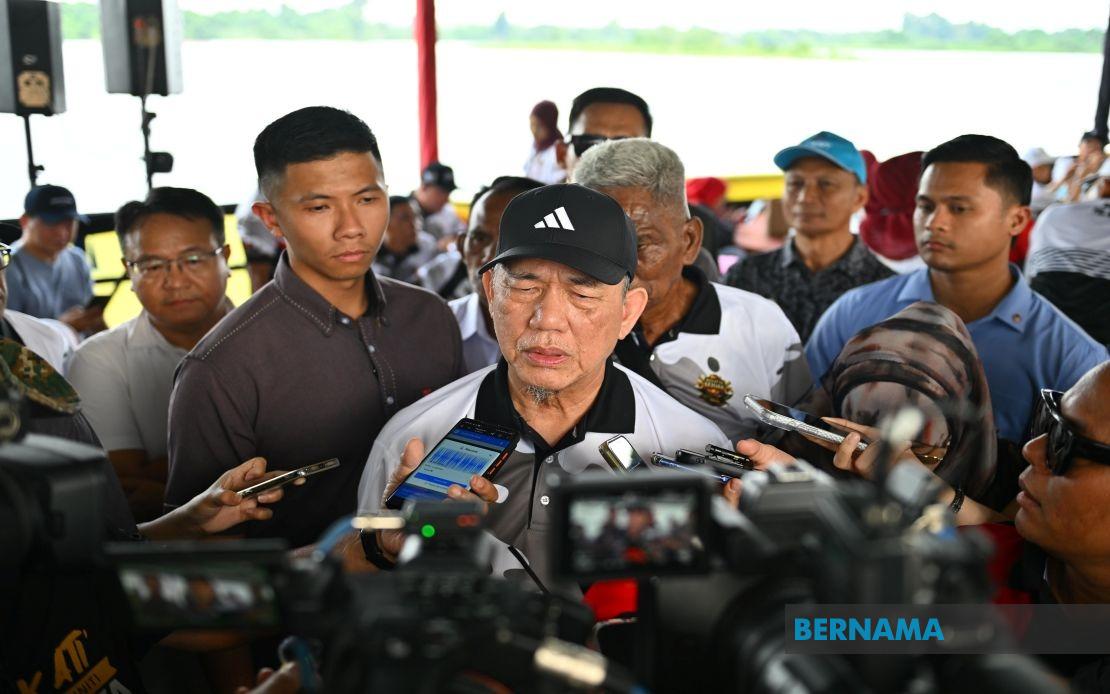
Malaysia's domestic energy sector continues to operate without supply interruptions despite escalating geopolitical tensions affecting the Strait of Hormuz, Deputy Prime Minister Datuk Seri Fadillah Yusof confirmed during a visit to Sarawak. Speaking after the closing ceremony of Regatta 2026 at the main jetty in Kampung Sejijak, the Energy Transition and Water Transformation Minister outlined the government's proactive stance in safeguarding the nation's fuel security during a period of heightened regional volatility.
The assurance reflects coordinated efforts between Malaysia's national oil and gas corporation Petronas and the Prime Minister's office, which have been conducting multi-layered diplomatic and commercial negotiations to prevent supply chain disruptions. While the Strait of Hormuz remains one of the world's most critical petroleum transit corridors, Malaysia has managed to insulate itself from immediate physical constraints through strategic planning and relationship management at senior governmental levels. This preventive approach underscores the administration's recognition that energy security requires sustained engagement beyond mere commercial transactions with suppliers.
Fadillah acknowledged, however, that Malaysia's insulation from supply disruption does not extend to protecting the economy from price shocks originating in global markets. The volatility characteristic of international crude oil and liquefied natural gas pricing continues to present a structural challenge to economic planning, regardless of physical availability. This distinction between supply security and price stability reveals a fundamental vulnerability in economies dependent on hydrocarbon revenues and consumption, where geopolitical events thousands of kilometres away can inflict measurable economic damage without causing any shortage of physical product.
The tension between maintaining affordable energy access for Malaysian citizens and managing government finances has emerged as a defining policy dilemma. Despite implementing subsidy programmes and direct assistance initiatives designed to cushion consumers from international price movements, the government faces mounting budgetary pressure when global hydrocarbon markets experience sustained elevation. Each dollar increase in crude oil per barrel translates into tangible fiscal strain, forcing policymakers to make difficult choices between infrastructure investment, social spending, and fiscal sustainability.
Petronas' proactive engagement in negotiations reflects an appreciation that energy security in the modern era depends less on military protection of shipping lanes and more on diversified sourcing arrangements and commercial relationships. The corporation's involvement at various negotiating levels suggests structured efforts to secure long-term supply contracts, potentially at more predictable pricing mechanisms, thereby reducing exposure to spot market fluctuations. Such commercial diplomacy has become as important as traditional state-to-state relations in determining energy outcomes for importing nations.
The Strait of Hormuz situation illustrates broader vulnerabilities within global energy architecture. Through this narrow waterway passes approximately one-third of global seaborne oil trade, making it a strategic chokepoint where regional tensions can rapidly translate into global consequences. Malaysia, as both an energy producer and consumer with significant refineries and downstream operations, faces dual exposure: potential supply disruptions affecting import requirements and price impacts affecting export competitiveness of refined products.
Fadillah's statements also implicitly acknowledge that geopolitical developments extending beyond Malaysia's direct control will continue influencing national economic outcomes. The government's role in such circumstances shifts from prevention to mitigation—ensuring that supply chains remain open while implementing fiscal and social policies designed to manage the consequences of price volatility. This reactive dimension of energy policy receives less public attention than supply assurance but consumes substantial governmental resources and political capital.
The medium-term challenge facing Malaysian policymakers involves accelerating the energy transition away from hydrocarbon dependence without destabilizing the current economy that remains substantially fuelled by petroleum revenues and petrochemical industries. Fadillah's portfolio as Energy Transition and Water Transformation Minister positions him at the intersection of this contradiction, requiring simultaneous management of immediate energy security through traditional fossil fuels while advancing longer-term transition objectives toward renewable sources and greater efficiency.
For Malaysian businesses and consumers, the deputy prime minister's assessment offers reassurance that immediate supply constraints remain unlikely despite regional turbulence. However, the implicit warning about price volatility signals that energy costs may remain elevated or unpredictable, affecting manufacturing competitiveness, transportation expenses, and household budgets. Companies dependent on energy-intensive operations should anticipate continued pressure on margins unless global geopolitical conditions stabilize or alternative hedging mechanisms become available.
The government's dual emphasis on supply security and price volatility demonstrates sophisticated understanding of contemporary energy challenges, yet also reveals the limits of national policy in influencing global commodity markets. While Petronas and diplomatic efforts can preserve access to physical supplies, they cannot fundamentally alter the price-setting mechanisms dominated by global supply and demand dynamics interacting with geopolitical risk premiums. This structural reality will continue constraining Malaysia's ability to provide cheap energy regardless of political stability or diplomatic effectiveness.
International developments affecting Strait of Hormuz shipping lanes will warrant continued close monitoring by Malaysian authorities. Potential military escalation, new sanctions regimes, or unexpected supply shocks could rapidly transform the current assessment of supply security. The government's stated vigilance suggests mechanisms exist for rapid policy adjustment should circumstances deteriorate, though the effectiveness of such contingency responses remains untested under genuine crisis conditions.

