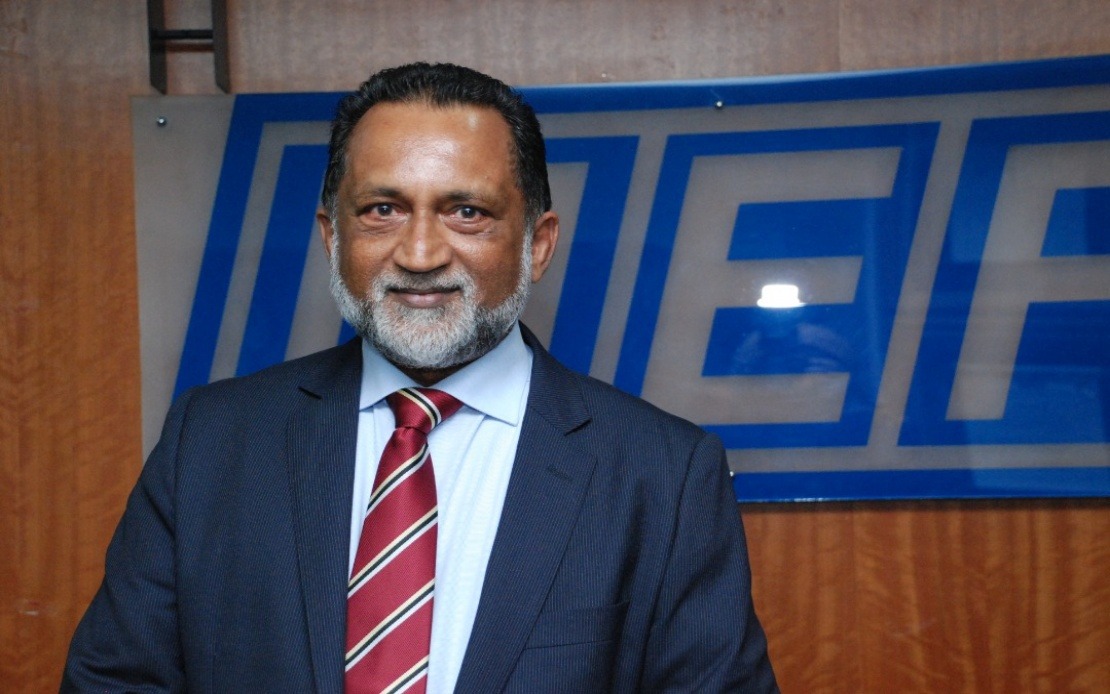
Malaysia's employment sector faces a critical inflection point as artificial intelligence reshapes recruitment practices, bringing efficiency gains alongside fresh vulnerabilities that threaten hiring integrity. The Malaysian Employers Federation has sounded an urgent warning that employers must strengthen verification mechanisms and preserve meaningful human judgement throughout the hiring process, even as AI tools promise to streamline candidate screening and reduce administrative burden.
Datak Dr Syed Hussein Syed Husman, president of the MEF, acknowledged that AI-powered recruitment systems have delivered tangible benefits to employers across the region. These technologies enable organisations to process job applications at unprecedented speed, match candidates to positions with greater precision, and substantially diminish the manual workload that traditionally characterises hiring cycles. For Malaysian companies competing in an increasingly tight labour market, such efficiency improvements represent a genuine competitive advantage.
Yet beneath this productivity narrative lurks a more troubling development: the weaponisation of the same technology by job seekers seeking to game the system. Generative AI now permits applicants to produce polished resumes, tailored cover letters, and supplementary materials with minimal effort, allowing candidates to craft narratives that may bear little resemblance to their actual qualifications or work histories. The sophistication of these AI-generated documents has created what amounts to an asymmetric arms race, where employers using basic screening tools struggle to distinguish authentic credentials from plausible fabrications.
The scale of the problem became clearer following the release of the National Background Screening Risk Index, a comprehensive audit compiled by background screening specialist Venovox Sdn Bhd using approximately 300,000 data points across 20 industries. The findings revealed that roughly one in seven job candidates screened—15 per cent—contained at least one material discrepancy in their employment records. These inconsistencies ranged across inaccurate employment histories, falsified educational qualifications, identity manipulation, financial irregularities, and various reputational red flags. For Malaysian employers spanning sectors from technology to finance to hospitality, this prevalence rate should trigger immediate reassessment of hiring protocols.
A particularly alarming dimension of this challenge emerges from the rapid proliferation of deepfake technology and sophisticated digital identity manipulation techniques. As remote and hybrid work arrangements have become normalised across Malaysian organisations, the traditional safeguards of in-person assessment have evaporated. Candidates can now manipulate video feeds during virtual interviews, employ synthetic voices indistinguishable from genuine human speech, and impersonate legitimate applicants with tools that were science fiction mere years ago. These capabilities fundamentally undermine the reliability of online hiring processes that many Malaysian companies have embraced as cost-effective alternatives to traditional recruitment.
Dr Syed Hussein articulated a balanced philosophy regarding AI's appropriate role in recruitment: the technology should function as a supplement to human decision-making rather than its replacement. Over-reliance on automated screening systems, he cautioned, creates dangerous blind spots and concentrates hiring decisions in algorithms that may encode subtle biases or fail to recognise genuine capability when presented in unconventional formats. The federation's position reflects growing international consensus that recruitment remains fundamentally a human endeavour, one where contextual understanding and nuanced judgement cannot be delegated to machines.
To address these emerging risks while preserving efficiency gains, the MEF has articulated a comprehensive framework for strengthened hiring practices. The foundation involves more rigorous identity verification, extending beyond simple document review to include live video interactions and in-person assessments, particularly for positions involving sensitive responsibilities or substantial decision-making authority. Malaysian employers in regulated sectors such as banking, healthcare, and government contracting should view such measures not as bureaucratic overhead but as essential risk mitigation.
Equally important is the deliberate shift away from resume-dependent evaluation toward multi-layered assessment methodologies. Technical tests, practical skills demonstrations, work samples, case study analysis, and competency-based interviews all serve to triangulate understanding of what candidates can actually accomplish, moving beyond what they claim on paper. For Malaysian organisations, this approach aligns with evolving best practices globally while addressing the specific vulnerabilities created by AI-assisted application materials.
Reference verification and credential validation deserve elevated priority within this framework. Third-party confirmation of previous employment, direct contact with educational institutions, and detailed examination of claimed work records create friction that deters casual fabrication while providing employers with genuinely useful information about candidate reliability and performance history. These processes need not be burdensome; many Malaysian companies can outsource such verification to specialised firms, concentrating internal resources on higher-value assessment activities.
Recruiting professionals themselves require upskilling to detect AI-related manipulation and digital deception. Hiring managers should be trained to identify inconsistencies between application materials and interview performance, to spot unlikely claims or suspiciously polished language patterns, and to probe beneath surface-level responses during conversations. This human scepticism, grounded in experience and intuition, represents an irreplaceable counterweight to algorithmic assessment.
The Malaysian employment context adds particular urgency to this debate. As a middle-income economy with an increasingly educated workforce competing for positions in knowledge-intensive sectors, Malaysia's hiring integrity directly affects productivity, innovation capacity, and institutional trust. Companies that hire based on fabricated credentials risk onboarding candidates who cannot perform their assigned roles, wasting training investment and disrupting team dynamics. Conversely, legitimate applicants suffer when their genuine qualifications become obscured amid the noise of AI-generated competitors.
Dr Syed Hussein's cautionary message represents neither technophobia nor a counsel of inaction. Rather, it calls for thoughtful integration of AI tools within hiring frameworks that retain meaningful human oversight at critical decision points. This balanced approach allows Malaysian employers to capture the efficiency benefits of AI-assisted screening while maintaining the safeguards that discrimination, deception, and digital manipulation now demand. As artificial intelligence continues reshaping workplaces across Southeast Asia, this equilibrium between innovation and integrity will increasingly determine which organisations build genuinely capable, trustworthy teams.

