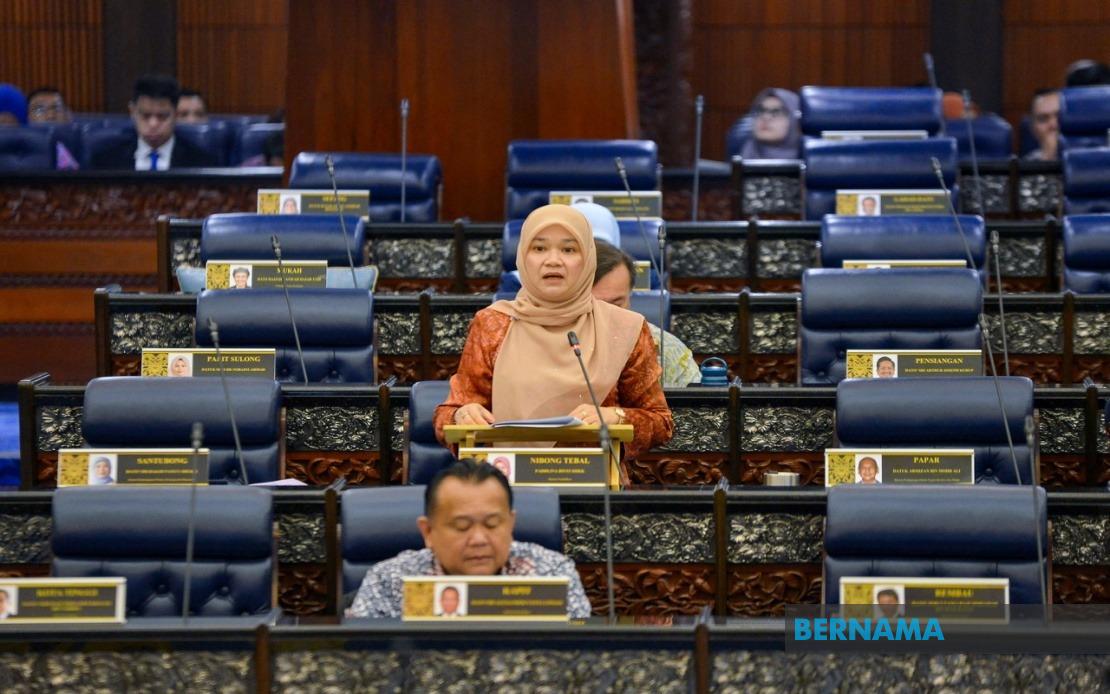
The Ministry of Education has committed to a more rigorous and individualised approach to student safety, recognising that incidents occurring within school premises require tailored assessments rather than one-size-fits-all solutions. Minister Fadhlina Sidek outlined this position during parliamentary questioning, emphasising that her ministry recognises the multifaceted nature of school safety challenges. Beyond the physical infrastructure and security concerns that dominate public discourse, the ministry acknowledges that psychological well-being and mental health support must be woven into any comprehensive safety strategy. This holistic perspective signals a maturation in how Malaysia's education authorities approach student welfare, moving beyond reactive incident management toward a systems-based prevention culture.
The institutional architecture supporting this new approach includes a specially convened committee drawing expertise from multiple agencies and organisations. This collaborative structure reflects recognition that school safety transcends the education sector alone and requires input from occupational health specialists, law enforcement, urban planners, and community stakeholders. The National Institute of Occupational Safety and Health has been engaged to provide technical guidance on structural safety—including building standards, drainage systems, and fire safety protocols—while training programmes aim to embed safety coordination capabilities at individual school level. This represents a significant investment in capacity-building, suggesting the ministry intends to create a decentralised safety infrastructure rather than concentrating responsibility in federal bureaucracies.
Two foundational documents now anchor Malaysia's school safety architecture: the Safe School Management Guidelines and the School Student Protection Policy, both recently launched on June 11. These framework documents operationalise five interconnected pillars—prevention, monitoring, reporting, intervention, and enforcement—that theoretically cover the entire lifecycle of a safety incident from its prevention through to accountability mechanisms. The publication of these guidelines coincides with the June 16 implementation of the Anti-Bullying Act 2026, suggesting the ministry has deliberately synchronised its regulatory and procedural responses to address a specific concern that has featured prominently in Malaysian media and parent forums in recent years.
Bullying specifically has emerged as a focal point for enhanced action. The ministry is updating its bullying guidelines to align with the new legislation, indicating recognition that laws without accompanying operational procedures remain largely ineffective. The approach emphasises comprehensive assessment of each bullying incident using certified counsellors, complemented by involvement of Parent-Teacher Associations and broader community engagement initiatives. This multi-stakeholder model attempts to position schools within their communities rather than as isolated institutions, acknowledging that bullying interventions are more effective when parents, peers, and community representatives are integrated into response and prevention efforts. For Malaysian families concerned about their children's experiences at school, this signals a more transparent and participatory approach to handling complaints.
Technological upgrades form a concrete dimension of the safety enhancement drive. The ministry is expanding closed-circuit television installation to 333 schools during the current financial year, representing a substantial increase from 200 schools in 2025. This expansion suggests both a recalibration of budget priorities toward surveillance infrastructure and confidence in CCTV's deterrent and evidential value in documenting incidents. However, the expansion must be contextualised within broader debates about surveillance, privacy, and whether cameras address root causes of safety concerns or merely create forensic capability after incidents occur. For Malaysian schools operating with constrained budgets, the question of whether CCTV investment represents the most efficient allocation of safety resources merits scrutiny.
The appointment of 300 hostel wardens effective from April 1 addresses a specific vulnerability in Malaysia's school infrastructure—the overnight supervision gap. Boarding facilities in secondary schools, particularly in peninsular Malaysia's major institutions, have historically faced challenges in staffing residential areas adequately during evening and night hours. Hostel wardens provide direct human presence during periods when bullying, harassment, and other incidents may occur without adult supervision. This staffing decision suggests the ministry has identified night-time environments as particularly high-risk periods and believes that direct human supervision remains irreplaceable despite technological solutions. The number appointed—300 wardens—implies systematic coverage rather than token presence, indicating serious resource commitment.
The parliamentary response from opposition members highlighted parental anxiety about bullying, reflecting the political salience of school safety in Malaysian public discourse. Minister Sidek's assurance that cases would be assessed comprehensively, involving certified counsellors and community organisations including the Parent, Community and Private Sector Involvement initiative, suggests the ministry understands that parent satisfaction depends not merely on the existence of policies but on visible, accessible, and responsive implementation mechanisms. Parents in Malaysia increasingly expect to be treated as partners rather than passive stakeholders, and the emphasis on PTA involvement and community engagement appears designed to address this expectation.
From a Southeast Asian perspective, Malaysia's approach reflects broader regional concerns about student well-being as education systems expand and intensify. The integration of occupational safety standards into school operations—previously the domain of workplace health—indicates regional evolution in understanding that educational institutions are also occupational environments for staff and residential environments for boarding students. This technical sophistication echoes approaches increasingly adopted across Southeast Asia's more developed education systems, where safety frameworks now encompass psychological support alongside physical security measures.
Implementation fidelity will ultimately determine whether these initiatives meaningfully protect students. The establishment of guidelines, appointment of wardens, and expansion of CCTV constitute necessary conditions but not sufficient ones. Schools must receive adequate training to interpret and apply new safety protocols, communities must genuinely participate in implementation rather than providing nominal representation, and oversight mechanisms must ensure compliance across Malaysia's diverse school landscape. The ministry's invocation of inter-agency collaboration and its partnership with occupational health experts suggest awareness that successful school safety depends on sustained technical support and coordination rather than relying on schools to improvise solutions independently. For Malaysian families and education professionals, the coming months will reveal whether this strengthened framework generates tangible improvements in student protection or remains largely procedural in character.

