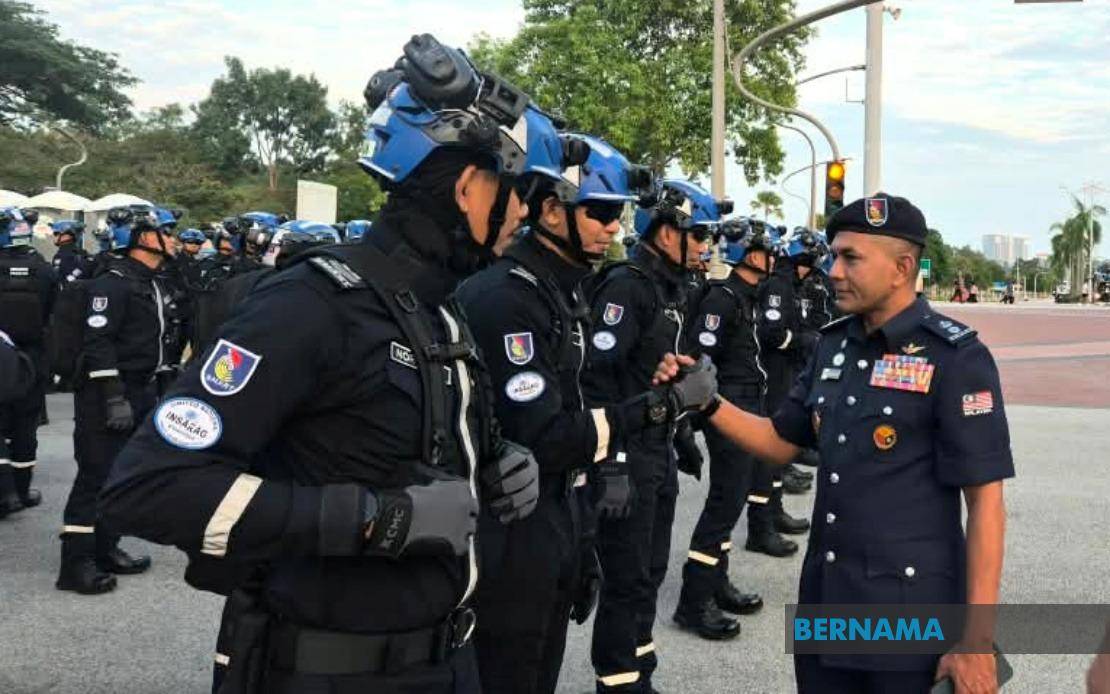
Malaysia's Special Malaysia Disaster Assistance and Rescue Team (SMART) stands ready to launch operations in Nepal as soon as the government in Kathmandu grants clearance, following severe flooding and landslides that have devastated the nation. The 112-member contingent, led by Captain Plaveanus Bernard, has completed all preparations and awaits final confirmation from Nepal's authorities regarding their capacity to receive the Malaysian rescue personnel. SMART commander Senior Fire and Rescue Officer 1 Abdul Manaf Che Isa emphasized during the National Day 2026 celebrations at Dataran Putrajaya that the team has been on high alert and maintains readiness to mobilize immediately upon receiving governmental authorization.
The decision to dispatch the rescue team represents Malaysia's commitment to regional humanitarian assistance during periods of crisis. Prime Minister Datuk Seri Anwar Ibrahim announced the deployment following catastrophic events that struck Nepal on August 26, when severe flooding and landslides ravaged the Rasuwa District. The MADANI Government's intervention extends beyond immediate rescue operations, reflecting a broader strategic engagement with Southeast Asia's neighbours during emergencies. This proactive stance demonstrates Malaysia's capacity to provide specialized assistance when neighbouring nations face natural disasters, strengthening bilateral ties and regional solidarity in times of acute hardship.
The scope of Malaysia's involvement encompasses multiple dimensions beyond conventional search and rescue activities. The Malaysian team will prioritize locating and assisting Malaysians who remain uncontactable in the affected areas, a concern that has grown as communications remain disrupted across the disaster zone. Additionally, personnel will work alongside the Malaysian Embassy in Nepal to coordinate the distribution of humanitarian aid and ensure the welfare of Malaysian nationals stranded or displaced by the flooding. This integrated approach recognizes that disaster response requires not only technical rescue capabilities but also diplomatic coordination and consular support to protect citizens abroad.
The humanitarian toll from the disaster continues to escalate. According to reports from the Anadolu Agency, the death toll across Nepal and China's Tibet region has surged to 804 people, with nearly 3,300 individuals still reported missing as rescue operations persist. The scale of casualties underscores the severity of the natural disaster and the urgency of coordinated international response. Malaysia's willingness to contribute specialized personnel reflects the gravity of the situation and the recognition that local authorities require external assistance to manage rescue operations across an affected territory of significant scale.
Malaysia's response encompasses financial support alongside personnel deployment. The government has committed USD1 million in direct assistance to Nepal, funds designated to support affected populations and facilitate post-disaster recovery initiatives. This financial contribution, combined with the dispatch of trained rescue specialists, signals Malaysia's comprehensive approach to disaster aid. The monetary support acknowledges that recovery extends well beyond the immediate crisis phase, requiring sustained investment in rebuilding infrastructure and supporting communities as they navigate the lengthy process of reconstruction and rehabilitation following such catastrophic events.
Coordination among Malaysian government agencies will be critical to the mission's success. The deployment process involves collaboration between SMART, the Foreign Ministry (KLN), the National Security Council (MKN), and the National Disaster Management Agency (NADMA). This inter-agency coordination ensures that rescue operations are integrated with broader diplomatic and security considerations, that international protocols are observed, and that the Malaysian response remains synchronized with Nepal's government priorities. Such institutional cooperation represents established best practices in international disaster response, where technical rescue capability must operate within appropriate governmental frameworks to maximize effectiveness and minimize complications.
The situation facing Malaysians in the affected regions remains fluid and concerning. As of August 29, Wisma Putra reported that 36 Malaysians in China and 55 individuals in Nepal remained uncontactable following the floods and landslides. These figures represent significant numbers of nationals whose families have been unable to establish contact, generating considerable anxiety and urgency around rescue efforts. The Malaysian government's decision to send SMART reflects the need to gather intelligence on these missing persons, establish their whereabouts and condition, and facilitate their evacuation or support as circumstances allow. For Malaysian families waiting for news, the deployment of trained rescue personnel offers some measure of reassurance that official efforts are underway to locate their loved ones.
Nepal's capacity to accommodate international rescue teams will determine the timing and scale of Malaysia's deployment. Disasters of this magnitude often overwhelm local infrastructure and administrative capacity, meaning that receiving countries must make careful decisions about coordinating multiple international teams and managing logistics to maximize effectiveness. The decision to await Nepal's confirmation reflects diplomatic sensitivity and respect for national sovereignty, even in emergency situations. This measured approach, while potentially delaying deployment, ensures that Malaysian personnel can operate productively within an established command structure rather than arriving to disorganization or resource conflicts.
The SMART team represents a significant asset within Malaysia's disaster response architecture. The unit has developed specialized expertise in search and rescue operations through training and past deployments to other disaster zones. The decision to position these personnel at high readiness reflects the government's assessment that Nepal's situation warrants commitment of elite resources. The contingent's diverse skills, ranging from structural rescue to medical support and logistics coordination, enable comprehensive response to the complex challenges presented by flooding and landslide disasters. Their availability on short notice positions Malaysia to respond swiftly should authorization arrive.
Regional implications of Malaysia's response extend beyond the immediate humanitarian dimensions. Southeast Asian nations increasingly recognize the value of bilateral disaster assistance mechanisms and the political capital generated through timely humanitarian intervention. Malaysia's positioning as a capable responder strengthens its standing within regional frameworks and demonstrates technical competency that enhances its soft power. For Nepal, a neighbour outside Southeast Asia, Malaysian assistance represents valuable international support from a middle-power nation with proven capacity. This engagement also reflects Malaysia's broader commitment to humanitarian principles that transcend geographic boundaries, positioning the country as a responsible actor within the global community.
The deployment timeline remains uncertain pending Nepal's response to Malaysia's offer. SMART officials have indicated that authorization could arrive at any point, necessitating the team's sustained state of readiness. The contingent has apparently completed mobilization preparations, meaning that once clearance is received, personnel can depart with minimal delay. This readiness posture, while demanding for the team members involved, reflects the urgency of disaster response where delays of hours can significantly impact rescue prospects, particularly in scenarios where missing persons may face life-threatening conditions from exposure or entrapment. Malaysia's commitment to maintaining this high state of preparedness demonstrates serious intent to contribute meaningfully to Nepal's relief efforts.

