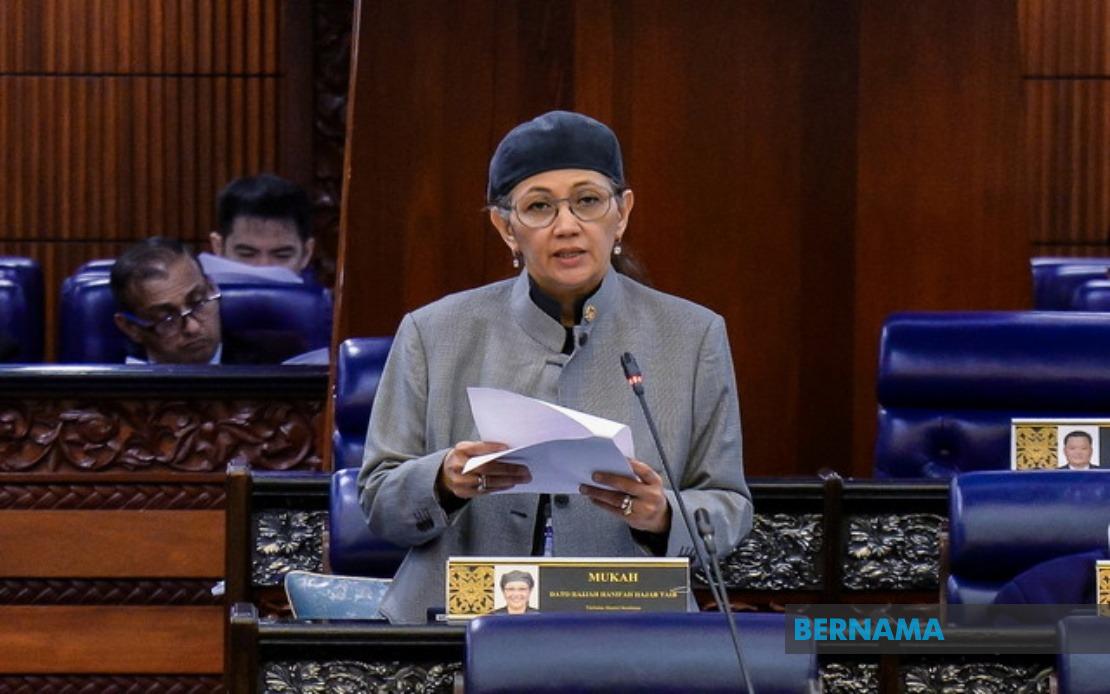
Malaysia's healthcare system is experiencing a significant operational transformation through the widespread adoption of digital management platforms, with newly released data showing that four out of five patients can now be attended to within 60 minutes at government clinics. This improvement marks a substantial shift from the pre-digitalisation era, when some facilities routinely subjected patients to three-hour waits depending on crowd volumes and daily caseloads. Deputy Health Minister Datuk Hanifah Hajar Taib provided the update during parliamentary proceedings, indicating that the remaining 19 per cent of patients receive care within 60 to 90 minutes, typically reflecting cases requiring greater clinical attention or periods of elevated facility demand.
The efficiency gains stem from three interconnected digital solutions now operating across the public health network. The Cloud-Based Clinical Management System, or CCMS, has become the backbone of operations at health clinics nationwide, streamlining administrative processes and enabling staff to allocate resources more effectively. Running in parallel, the Dental Information System modernises patient management at dental facilities, while the District Hospital Information System provides hospitals with integrated data architecture. Together, these platforms create a more responsive healthcare environment that reduces the bottlenecks historically responsible for extended queues and patient frustration.
The Malaysian government's commitment to healthcare digitalisation extends well beyond these core systems. The MySejahtera application, which gained prominence during the pandemic response, now functions as a comprehensive appointment-booking portal across the public network. The platform currently facilitates access to 18 distinct categories of healthcare services, ranging from routine consultations to specialised treatments. To date, MySejahtera has processed 29 million appointment transactions, a figure that underscores the public's growing reliance on digital appointment scheduling as an alternative to traditional queuing at clinic windows.
Central to the system's efficacy is the consolidated health data ecosystem that MySejahtera anchors. Approximately 30 million Malaysians now have their health information stored within the application's database, encompassing vaccination records, prescription histories, dental encounters, preventive screening outcomes and clinical visit documentation. This integrated approach addresses a longstanding challenge within dispersed healthcare systems—the fragmentation of patient information across different facilities and administrative domains. When a patient arrives at any participating clinic or hospital, healthcare providers gain immediate access to their complete medical journey, enabling faster diagnoses and reducing redundant testing.
The figures underlying this data integration reveal the scale of information now flowing through digital channels. The system currently houses 12 million prescription records, reflecting the volume of medication dispensed through public health channels. Dental records number five million, while preventive health screening data accounts for another five million entries. This treasure trove of structured clinical information allows for population-level analysis and resource planning that would be impossible with paper-based systems, creating opportunities for public health officials to identify disease patterns and direct prevention efforts more strategically.
Expansion remains a central policy pillar for Malaysia's Health Ministry. Current planning documentation indicates intentions to deploy CCMS across 2,917 health clinics nationwide by 2028, a target that would essentially achieve near-universal coverage of primary care facilities. Dental clinic digitalisation is proceeding on a parallel timeline, with 728 facilities expected to operate the Dental Information System by the same deadline. These are not token deployments but substantial infrastructure investments reflecting institutional commitment to permanent operational transformation rather than temporary technological experiments.
The hospital system is receiving comparable attention, though on a slightly extended timeframe. The District Hospital Information System currently operates at a single facility in Sarawak but is slated to expand to 151 hospitals across Malaysia by 2030. This graduated implementation approach allows the ministry to manage technical challenges and train staff progressively rather than attempting simultaneous rollout across the entire tertiary care network. For Sarawak specifically, the digitalisation effort has already gained considerable momentum, with 174 health clinics and 11 dental clinics having transitioned to the relevant systems.
The integration of CCMS with MySejahtera represents the next operational frontier, creating a unified ecosystem where appointment scheduling, patient records, and clinical management function as seamlessly interconnected components rather than separate applications. This architectural approach eliminates data silos and enables frontline staff to view the complete patient context during service delivery. Patients benefit through reduced administrative friction and more informed care, while the system generates granular operational data that hospital and clinic managers can leverage for ongoing process improvement.
From a regional perspective, Malaysia's healthcare digitalisation trajectory carries implications for neighbouring Southeast Asian economies grappling with similar congestion challenges at public facilities. The ministry's investment in cloud infrastructure and standardised information systems demonstrates a bet that technology can meaningfully address access bottlenecks without requiring proportional increases in healthcare workforce or facility expansion. As waiting times compress and patient satisfaction metrics improve, the Malaysian experience may influence health policy decisions across the region, particularly in countries facing comparable resource constraints and rising demand for public healthcare services.
The broader context for these digital initiatives encompasses Malaysia's longer-term health security objectives. Integrated health records enable epidemiological surveillance capabilities essential for early detection of disease outbreaks, while appointment data provides real-time visibility into facility demand and allows for dynamic resource allocation across the network. The 30 million individuals now represented within MySejahtera constitute a critical mass sufficient for meaningful population health analytics, creating a foundation for precision public health approaches that target interventions toward high-risk groups and geographic hotspots.
Looking ahead, the ministry signalled intentions to expand MySejahtera's appointment functionality to specialist clinics within hospital settings, an extension that would address waiting time challenges at the tertiary care level. This progression reflects recognition that congestion problems extend beyond primary care facilities to encompass the entire healthcare continuum. By enabling patients to book specialist appointments weeks in advance through digital channels rather than queuing at hospital appointment desks, the system promises to reduce wasted patient time while improving appointment adherence rates and clinic scheduling predictability.
The measurable outcomes—81 per cent of patients seen within 60 minutes—represent tangible vindication of Malaysia's multiyear investment in health information technology. These gains emerged not through dramatic workforce expansion or facility construction but through smarter organisation of existing resources enabled by digital tools. As the systems expand to near-universal coverage through 2028 and 2030, the potential exists for further optimisation as operational data accumulates and clinical workflows adapt to technology affordances. For a healthcare system historically strained by high utilisation and limited capacity, such efficiency improvements may prove as consequential as new beds or additional medical graduates.

