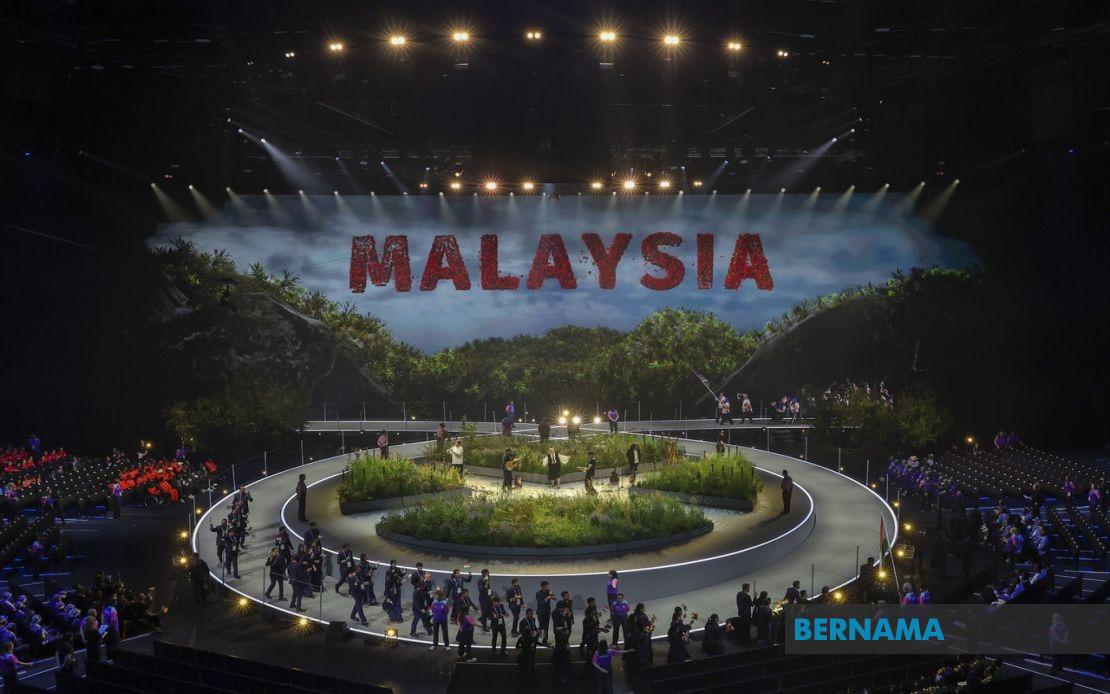
Malaysia's sporting contingent at the Glasgow 2026 Commonwealth Games has earned official commendation from the federal Cabinet for delivering an exceptional performance that exceeded national expectations. Communications Minister Datuk Seri Fahmi Fadzil, speaking as MADANI Government spokesman, conveyed the Cabinet's formal congratulations during a post-Cabinet media briefing in Putrajaya on August 5, underscoring the administration's commitment to recognising athletic excellence at the international level.
The Malaysian delegation's achievements at Glasgow represent a significant milestone in the nation's Commonwealth Games history. Athletes competing under the Malaysian flag secured a combined medal haul of eight gold, three silver, and five bronze medals—a total of 16 medals that substantially outperformed the government's pre-Games target of five gold medals. This result marks the strongest performance since the New Delhi 2010 Commonwealth Games, where Malaysia captured 12 gold medals, demonstrating that the current generation of national athletes has elevated the country's competitive standing within the Commonwealth sports arena.
Fahmi emphasised that the Cabinet views these accomplishments as extending far beyond mere sporting statistics. The minister articulated a broader perspective on athletic achievement, framing the athletes' success as a source of national pride and a reflection of Malaysia's capacity to compete at elite international forums. In his remarks, he highlighted how such triumphs serve to elevate the nation's international standing and generate positive sentiment among citizens, reinforcing the connection between sports achievement and national identity.
The government has demonstrated its appreciation for the athletes' efforts through tangible financial recognition. The Sports Victory Incentive Scheme (SHAKAM) mechanism has channelled RM1.1 million in rewards to the Malaysian competitors who delivered results exceeding the established targets. This financial commitment signals the administration's strategic prioritisation of sports development and its willingness to invest in recognising and supporting winning performances—an approach that officials argue creates positive incentives for future athletic endeavours.
The significance of Malaysia's Glasgow 2026 performance extends beyond statistical achievement to encompass broader implications for the nation's sports infrastructure and athlete development pathways. By substantially surpassing the initial five-gold-medal target, Malaysian athletes have demonstrated the fruits of training programmes, facility investments, and support systems that have been cultivated over preceding years. The result suggests that strategic funding and institutional focus on specific sports disciplines are yielding measurable international returns.
Fahmi's framing of the athletes' success as inspirational carries particular weight for Malaysia's emerging sports talent pipeline. Government officials increasingly recognise that high-profile international victories create role models and motivational narratives that encourage younger athletes to pursue excellence. By publicly celebrating the Glasgow contingent's achievements through Cabinet-level recognition, the government amplifies these inspirational messages across Malaysian society, potentially channelling greater youth participation into competitive sports programmes.
The Commonwealth Games context is particularly relevant for Southeast Asian nations like Malaysia, where the quadrennial event remains one of the primary platforms for demonstrating sporting prowess among nations sharing historical Commonwealth ties. Within this competitive sphere, Malaysia's consistent medal production positions the country as a significant regional performer, competing alongside traditional Commonwealth sports powerhouses and emerging athletic nations seeking international recognition.
The allocation of RM1.1 million through SHAKAM reflects a deliberate policy approach to incentivising athletic excellence. Such schemes operate on the principle that rewarding medal-winning performances encourages continued commitment to training and competition, while also signalling to athletes that their sacrifices and achievements receive official recognition and material support. For Malaysian athletes operating within resource constraints compared to wealthier nations, these government incentives can prove decisive in sustaining careers and maintaining competitive readiness.
The Cabinet's formal recognition of the Glasgow contingent's achievements also carries implications for Malaysia's broader international positioning. Excellence in sports provides a dimension of soft power that complements diplomatic and economic endeavours, offering positive international visibility and strengthening Malaysia's profile within Commonwealth structures. The government's public celebration of athletic success therefore serves multiple strategic purposes beyond sports policy alone.
Looking forward, Malaysia's strong Glasgow 2026 performance establishes a new baseline expectation for subsequent international competitions. The five-gold target that was initially set has now been substantially exceeded, which may prompt discussions about recalibrating future medal targets upward. This dynamic between established targets and actual performance creates both opportunities and pressures for the nation's sports administration to maintain and build upon the momentum generated by the current contingent's success.
The timing of Cabinet recognition during the immediate post-Games period serves to maximise the inspirational and morale-boosting impact of the athletes' achievements. By issuing congratulations while public attention remains focused on the Games results, the government ensures maximum resonance of its message that athletic excellence receives national validation and support. This approach reinforces the cultural narrative around sports achievement within Malaysian society.

