Malaysia is embarking on a significant overhaul of its Child Act 2001, driven by 159 recommendations from the United Nations Committee on the Rights of the Child. The Ministry of Women, Family and Community Development confirmed on July 21 that these Concluding Observations will serve as the foundation for comprehensive legislative and procedural reforms aimed at modernising the nation's approach to child welfare and rights protection.
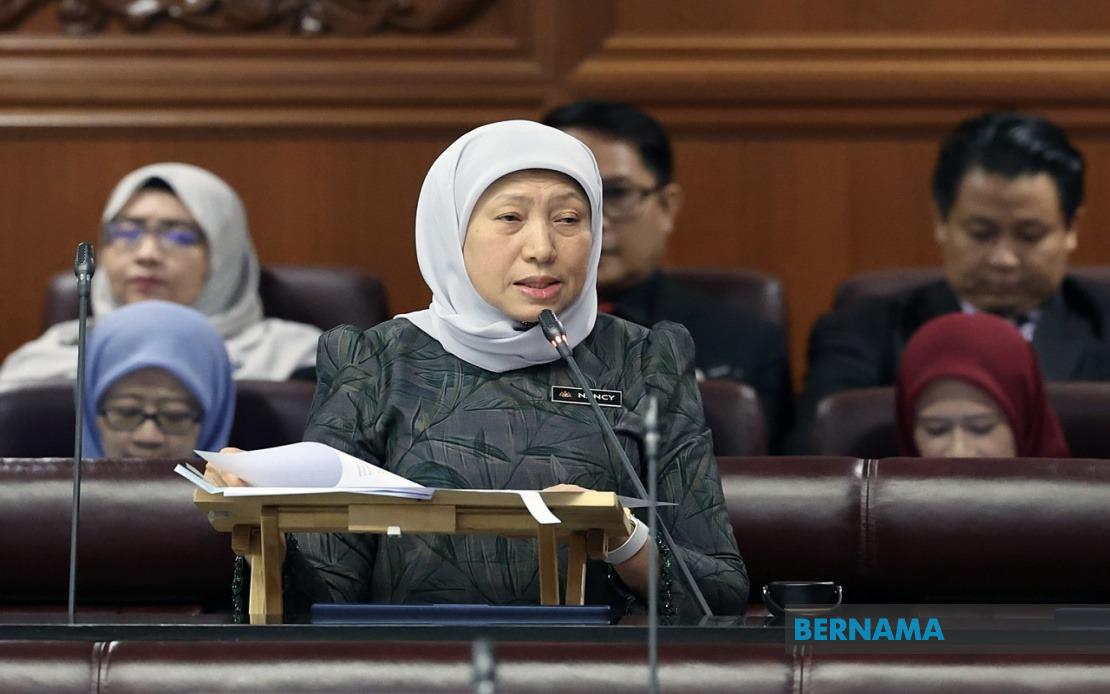
Minister Datuk Seri Nancy Shukri outlined the scope of the anticipated changes during a parliamentary session, indicating that the review encompasses far more than routine amendments. The UNCRC recommendations span multiple dimensions of child protection, including structural legal reforms, mechanisms to prevent and respond to abuse, and systemic improvements in how children's rights are implemented across government agencies and community organisations. This multifaceted approach reflects growing international consensus that child protection requires integrated action rather than isolated legislative fixes.
The decision to conduct a comprehensive review rather than piecemeal amendments signals Malaysia's commitment to aligning domestic law with international standards. The Child Act 2001, while foundational, was enacted over two decades ago and has not undergone major revision despite significant changes in how child protection is understood globally. Vulnerable populations, including street children, migrant children, and those in institutional care, face evolving challenges that current legislation may not adequately address. The UNCRC's recommendations provide a roadmap for identifying these gaps and addressing them systematically.
Central to the review will be scrutiny of how the Child Act 2001 is actually implemented on the ground. Legislative excellence means little if enforcement mechanisms are weak, resources are inadequate, or different agencies work at cross-purposes. Nancy Shukri explicitly acknowledged this by emphasising that the ministry will examine child protection reporting systems, children's court procedures, and support structures for rehabilitation and follow-up care. These operational dimensions often determine whether laws translate into genuine improvements in children's lives or remain aspirational documents gathering dust on shelves.
The ministry's emphasis on a multi-agency approach reflects recognition that child protection transcends any single government department. Coordination challenges between welfare agencies, law enforcement, education ministries, and health services frequently undermine the best-intentioned legislation. By incorporating input from multiple ministries and relevant agencies, the review process itself becomes an opportunity to map existing responsibilities, identify overlaps and gaps, and establish clearer collaborative frameworks. This institutional redesign may prove as valuable as the legal amendments themselves.
One critical dimension involves clarifying the roles and authority of stakeholders in child case management. Currently, various actors—social workers, police, judges, teachers, parents, and community leaders—may have overlapping or ambiguous responsibilities when a child is identified as at risk. The review will address how these functions should be delineated, what decision-making authority each stakeholder possesses, and how information flows between them. Such clarity is essential for ensuring that child protection responses are swift, coordinated, and child-centred rather than bureaucratically fragmented.
Family and community-based care represents another significant focus area. International best practice increasingly emphasises keeping children within family or community settings whenever safe to do so, rather than institutionalising them. The current Act 2001 framework may not sufficiently support alternative care arrangements, kinship care, or community-based interventions that could strengthen children's wellbeing while preserving family connections. Recommendations in these areas could reshape how Malaysia supports vulnerable families and prevents unnecessary child removal from home environments.
The principle of the best interests of the child, already enshrined in Malaysian law, will serve as the overarching lens for the review. However, interpreting and operationalising this principle remains contentious. Does it prioritise a child's biological family ties, their physical safety, their educational opportunities, or their cultural and religious identity? Different stakeholders may weigh these factors differently. The review provides an opportunity to develop clearer guidance on how Malaysian courts, welfare agencies, and policymakers should balance these sometimes-competing interests when making decisions affecting children.
For Malaysia's regional standing, this review demonstrates responsiveness to international accountability mechanisms. The UNCRC process, while non-binding, creates diplomatic pressure and reputational incentives for governments to improve child protection outcomes. Countries that ignore or minimally address UNCRC recommendations face criticism from civil society organisations, international media, and the broader development community. Malaysia's decision to conduct a thorough rather than superficial review positions it as a serious participant in global child rights governance, potentially enhancing its influence in multilateral forums and regional discussions on child protection standards.
The timeline and concrete outcomes of this review remain to be seen. Parliamentary reviews of major legislation often extend over several years, facing competing legislative priorities and budget constraints. However, the formal commitment by Minister Shukri, made in Parliament, creates public accountability for progress. Civil society organisations, child welfare advocates, and international observers will likely monitor whether proposed amendments appear within reasonable timeframes and whether they genuinely address UNCRC concerns or represent minimal compliance.
Southeast Asian countries face common challenges in child protection, including child labour, trafficking, inadequate institutional care standards, and insufficient investment in family support services. Malaysia's review process could generate lessons and models applicable across the region. If the review produces innovative solutions to implementing the best interests principle, strengthening cross-agency coordination, or supporting alternative care arrangements, neighbouring countries facing similar challenges may adapt these approaches to their own contexts.
Implementation will ultimately determine whether this review meaningfully advances child protection or becomes another well-intentioned exercise that fails to reach vulnerable children. The ministry's stated intention to examine implementation mechanisms, strengthen responsiveness, and clarify stakeholder roles suggests awareness of this implementation challenge. However, translating these intentions into measurable improvements in how children are protected, supported, and empowered will require sustained political will, adequate resource allocation, and genuine commitment from all agencies involved in the child protection system.

