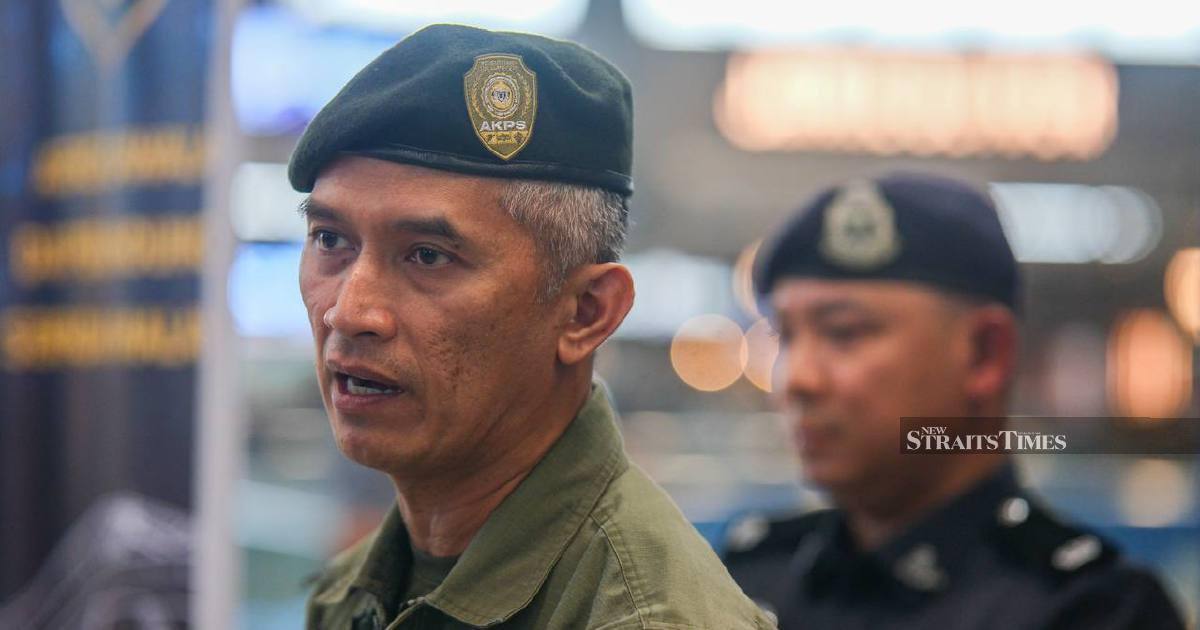
Malaysian authorities investigating a drug smuggling case involving a Malaysia Airlines pilot arrested in Indonesia have avoided making definitive conclusions about whether counter-setting activities played a role in the incident. The Malaysia Border Control and Protection Agency (MCBA), which oversees enforcement operations at the nation's entry points, has indicated that conclusions cannot yet be drawn while inquiries into the matter remain ongoing.
The measured response from Malaysia's border authorities underscores the complexity of cross-border criminal investigations and the diplomatic sensitivities involved when Malaysian citizens face drug-related charges abroad. Counter-setting refers to tactics where individuals or groups deliberately implicate others in criminal activities as cover for their own operations or to settle disputes. In the context of drug trafficking, such schemes can involve framing individuals or manipulating law enforcement operations across jurisdictions.
The reticence to confirm or deny counter-setting at this juncture reflects standard investigative practice, where authorities typically avoid public speculation that could compromise ongoing inquiries or prejudice future proceedings. The MCBA's position suggests that Malaysian officials are conducting their own parallel investigations into the circumstances surrounding the pilot's arrest, attempting to understand whether the case involves deliberate entrapment or criminal conspiracy originating from within Malaysia's borders.
For Malaysia's aviation sector, the involvement of a Malaysia Airlines pilot in an international drug trafficking case carries significant reputational implications. The national carrier has long positioned itself as a premium regional airline, and any association with criminal activities—whether substantiated or the result of counter-setting schemes—risks damaging public confidence and investor sentiment. The careful handling of this matter by the MCBA reflects broader concerns about protecting Malaysia's international standing.
The case also highlights vulnerabilities within Malaysia's transport sector, where individuals with access to international routes and border-crossing privileges may become targets for criminal networks seeking to exploit their position. Pilots, by virtue of their professional standing and frequent international travel, can become unwitting facilitators or deliberate participants in smuggling operations. The MCBA's investigation likely focuses on determining whether the arrested pilot was a willing participant or a victim of manipulation.
From a regional law enforcement perspective, the incident underscores the importance of coordination between Southeast Asian nations in combating transnational drug trafficking. Indonesia's arrest of the Malaysian national demonstrates the readiness of regional authorities to act on criminal suspects regardless of nationality. However, cooperation between Malaysian and Indonesian investigative agencies is essential to establish the full facts and determine whether this case represents an isolated incident or part of a larger smuggling network.
The counter-setting angle is particularly significant given recurring reports of sophisticated criminal syndicates using deception to shield their own operations. Such schemes often exploit legitimate business activities and cross-border movements, making them difficult to detect without meticulous investigation. The MCBA's reluctance to confirm involvement suggests investigators are still gathering evidence to establish causation and intent with certainty.
For Malaysia's drug enforcement agencies, the case provides insights into trafficking methodologies and the modus operandi of criminal networks operating in Southeast Asia. Understanding whether this arrest resulted from counter-setting would inform how agencies prioritize resources and adjust their intelligence-gathering strategies. The investigation's outcome could influence training protocols and security measures implemented across Malaysia's aviation sector.
The timing of the MCBA's statement also reflects institutional caution regarding public commentary during active investigations. Malaysian authorities are clearly aware that premature conclusions could lead to legal complications if the case proceeds to trial in Indonesia or if Malaysian courts become involved through related proceedings. By maintaining ambiguity about counter-setting, the MCBA preserves investigative flexibility and avoids statements that could be construed as making allegations against identified individuals or organizations.
Regional observers note that such cases often expose gaps in information-sharing protocols between national border agencies. Indonesia's ability to apprehend the Malaysia Airlines pilot suggests effective intelligence networks, yet Malaysian authorities' need to conduct parallel investigations indicates that information did not flow seamlessly between the two countries beforehand. Strengthening these mechanisms remains a priority for the Association of Southeast Asian Nations (ASEAN) in its broader drug enforcement cooperation framework.
The case is likely to prompt reviews of Malaysia's existing procedures for vetting airline personnel and monitoring their activities across international jurisdictions. Airlines operating in Malaysia may face increased scrutiny regarding employee conduct and background verification, reflecting heightened security consciousness following high-profile cases involving transportation sector employees and criminal activities.
Looking ahead, the MCBA's investigation and any subsequent findings will be closely monitored by stakeholders across Malaysia's aviation, maritime, and logistics industries, all of which remain vulnerable to infiltration by drug trafficking networks. Until the investigation concludes, the measured official position maintains public confidence in ongoing efforts while avoiding prejudicial statements that could complicate legal proceedings.

