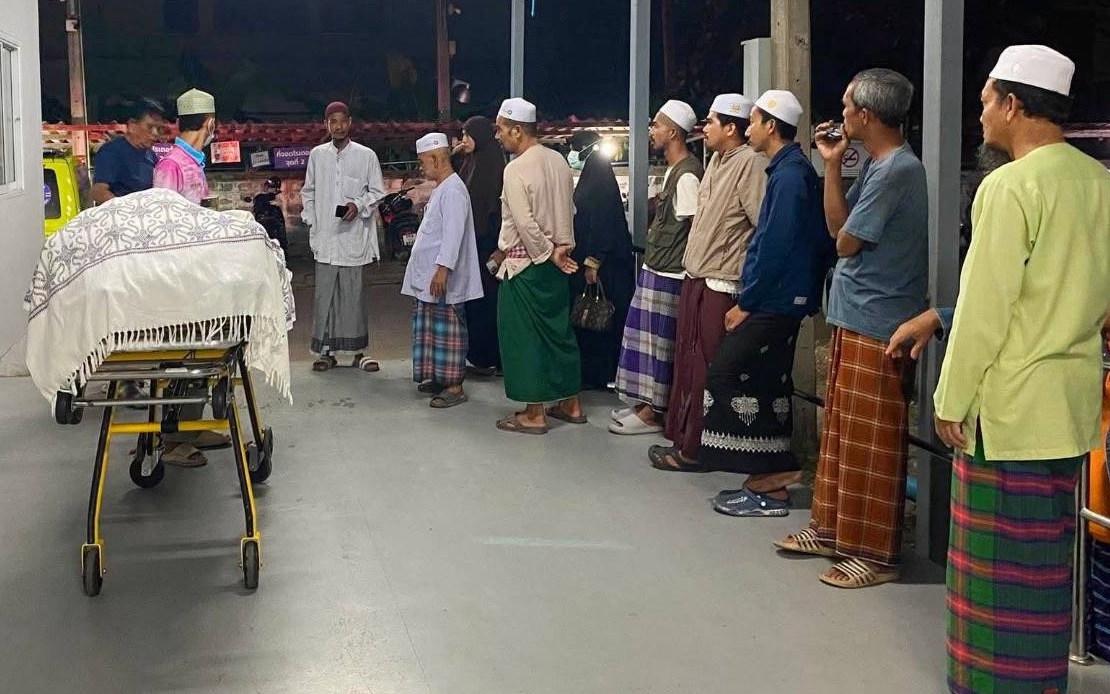
A Malaysian student has been killed following a motorcycle accident in Yala province in southern Thailand, with his companion fighting for life in an intensive care unit. The collision occurred on Saturday afternoon in the Bannang Sareng area of Mueang Yala district, claiming the life of the pillion rider while leaving the driver with life-threatening injuries that have rendered him unconscious.
According to Mueang Yala Police Chief Col Chatchai Sakdee, initial findings suggest the motorcycle driver lost control of the vehicle before it struck an electricity pole with considerable force. The 20-year-old pillion rider, a resident of Perlis, suffered severe head injuries that proved fatal despite being at the crash scene. The 22-year-old driver, originally from Kuala Kedah in Kedah, sustained multiple serious injuries that have necessitated his admission to the Intensive Care Unit at Yala Central Hospital, where he remains sedated and unconscious.
The Malaysian Consulate in Songkhla has confirmed the nationality of both victims and is working to coordinate with their families back home. Officials indicated they are awaiting contact from next of kin to facilitate the necessary administrative and legal documentation required in the aftermath of the fatal accident. The consular office has not released further details regarding the repatriation process or timeline for arrangements.
Both young men were students at Pondok Padang Pusu, a religious boarding school located in Yarang District, Pattani province. They had been en route to the institution at the time of the accident, suggesting they may have been returning from weekend activities or visiting family in their respective home states. The pesantren, which specialises in Quranic memorisation studies, serves students from across Malaysia and the southern Thai provinces.
This tragedy underscores the risks faced by Malaysian students studying at Islamic institutions throughout southern Thailand, many of whom commute regularly between their schools and home. The region's road conditions, combined with the density of motorcycle travel, have long presented hazards for both local and international students. Families sending their children to these boarding schools often face the difficult reality that such institutions, while academically reputable, are situated in areas where transportation infrastructure and safety protocols may differ significantly from Malaysian standards.
The incident also highlights the role of the Malaysian Consulate in Songkhla, which covers the three southernmost provinces of Thailand and handles welfare matters for Malaysian citizens in the region. The consulate's involvement in this case demonstrates the diplomatic and humanitarian support structure available to Malaysians abroad, though families facing such tragedies often experience considerable strain during coordination with Thai authorities and hospital systems.
Thailand's road safety record has long been a concern for regional observers, with motorcycle accidents accounting for a disproportionately high share of fatal injuries in the kingdom. The prevalence of motorcycles as a primary mode of transport, combined with varying enforcement of traffic regulations, creates cumulative risks particularly for younger, less experienced riders and passengers. The fact that both victims were in their early twenties suggests they may have had relatively limited driving experience.
For Malaysian families with children studying at Islamic institutions in southern Thailand, this tragedy serves as a sobering reminder of the potential dangers inherent in cross-border education. While many such schools provide excellent religious and academic instruction, the journey to and from these facilities remains a persistent source of concern for parents who must weigh educational opportunities against safety considerations.
The circumstances surrounding the accident, particularly the loss of control leading to collision with a fixed object, suggest factors that may have included inexperience, road conditions, weather, or mechanical issues. Thai police investigations will ultimately determine the precise cause, though such conclusions often take weeks or months to complete. The Malaysian Consulate will likely monitor the investigation to ensure proper procedures are followed and to support the injured student's recovery.
This incident joins a tragic pattern of Malaysian students suffering serious injuries or death while pursuing education abroad, whether in Thailand, Bangladesh, Pakistan, or other countries. It raises questions about the adequacy of safety briefings, transportation protocols, and emergency response procedures at educational institutions hosting Malaysian students. Educational authorities in Malaysia may need to engage more actively with schools and pesantren abroad to establish baseline safety standards.
As the investigation continues and the injured driver remains hospitalised, the Malaysian diplomatic mission faces the delicate task of managing communication between Thai authorities, hospital staff, and the bereaved family while the second victim undergoes critical care. The coming days will prove crucial for the surviving student's prognosis, and the outcome may influence discussions about safety protocols for Malaysian students in the region.

