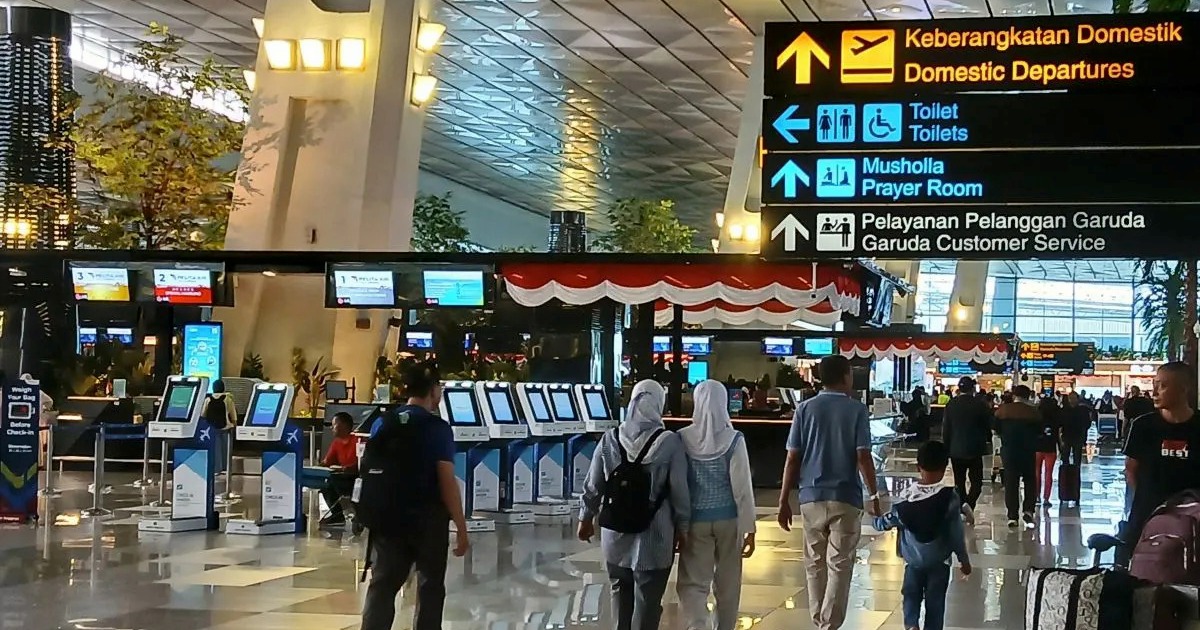
A Malaysian aviation professional faces serious drug trafficking charges following his arrest at an Indonesian airport, where customs officials uncovered an extensive cache of pharmaceutical contraband during a routine inspection. The seizure, which included more than 70,000 ecstasy tablets totalling 25 kilograms, represents one of the more significant narcotics interdictions at the border in recent months and underscores vulnerabilities in cross-border enforcement even among trained professionals with airport access.
The detention has rekindled concerns within Southeast Asian law enforcement circles about the sophistication of trafficking networks that exploit the aviation sector. Commercial pilots occupy privileged positions within airport ecosystems, often benefiting from expedited screening procedures and reduced security scrutiny that routine travellers do not receive. This structural advantage has historically made the profession attractive to organised crime syndicates seeking reliable conduits for illicit substances across the region's complex network of airways.
Indonesian authorities, who apprehended the individual, have not yet released details regarding the intended destination of the confiscated materials or the suspected end-market for the drugs. Industry observers suggest that Jakarta, Surabaya, and other major population centres represent likely distribution hubs given the size of the seizure. The quantity discovered indicates professional-scale operations rather than personal consumption, implying connections to larger trafficking infrastructure within both Malaysia and Indonesia.
The case arrives at a moment of intensified regional cooperation on narcotics control. The Association of Southeast Asian Nations has strengthened intelligence-sharing protocols and coordinated enforcement actions specifically targeting drug corridors linking Malaysia, Thailand, and Indonesia—routes that have grown increasingly active over the past three years. Both nations' customs agencies have expanded airport security measures and personnel training in response to rising interdiction rates.
For Malaysian aviation authorities, the arrest presents a reputational challenge and an opportunity to demonstrate commitment to professional standards within the industry. The Civil Aviation Authority of Malaysia will likely conduct internal reviews of pilot vetting procedures and may implement enhanced security protocols for airport personnel, particularly those with unescorted access to restricted zones where contraband could be concealed.
The broader implications extend to Malaysia's international standing on drug control. Though the country has made substantial progress in combating trafficking, high-profile cases involving nationals engaged in commercial professions can complicate diplomatic relationships and regional partnerships. Indonesia's handling of the case will test bilateral cooperation mechanisms and potentially influence future joint enforcement initiatives.
Ecstasy, known chemically as MDMA, remains a priority substance for Southeast Asian law enforcement agencies, particularly since it drives significant demand among youth populations across major urban centres. Trafficking networks have increasingly shifted distribution routes through commercial aviation rather than maritime channels, which face more intensive maritime law enforcement presence. The captured shipment's composition suggests supply chains potentially sourcing from manufacturing facilities outside the region, possibly in South Asia or even Europe, before transiting through Southeast Asia toward final markets.
The incident also highlights persistent challenges in regulating precursor chemicals and finished pharmaceutical products at border checkpoints. Ecstasy pills can be difficult to distinguish from legitimate medications in appearance alone, requiring advanced laboratory analysis or intelligence-led screening to identify during inspections. The fact that Indonesian customs detected this shipment suggests either dedicated anti-trafficking intelligence or procedural enhancements that warrant regional study and potential replication.
For commercial aviation across the region, the case may accelerate discussions about strengthening internal security protocols. Airlines operate under regulatory frameworks that balance operational efficiency with security requirements, yet airport personnel remain potential vulnerability points. Enhanced vetting, behavioural monitoring, and access controls could increase operational costs but may become essential compliance measures.
The detained pilot's prosecution will likely proceed through Indonesian courts, potentially under laws mandating severe penalties for large-quantity drug trafficking. Malaysian diplomatic channels will monitor the case to ensure due process protections, though the quantity involved typically results in convictions in regional jurisdictions. The outcome will serve as a cautionary signal to other aviation professionals and may affect recruitment and retention within the sector if widely publicised.
Looking forward, the arrest reinforces the need for sustained intelligence cooperation between customs agencies and aviation security bodies throughout Southeast Asia. Regional forums addressing transnational crime have identified emerging smuggling methodologies that increasingly incorporate professional actors with sector expertise. Coordinated responses that transcend national borders remain essential to disrupting supply chains before narcotics reach consumers in Malaysian and Indonesian communities.

