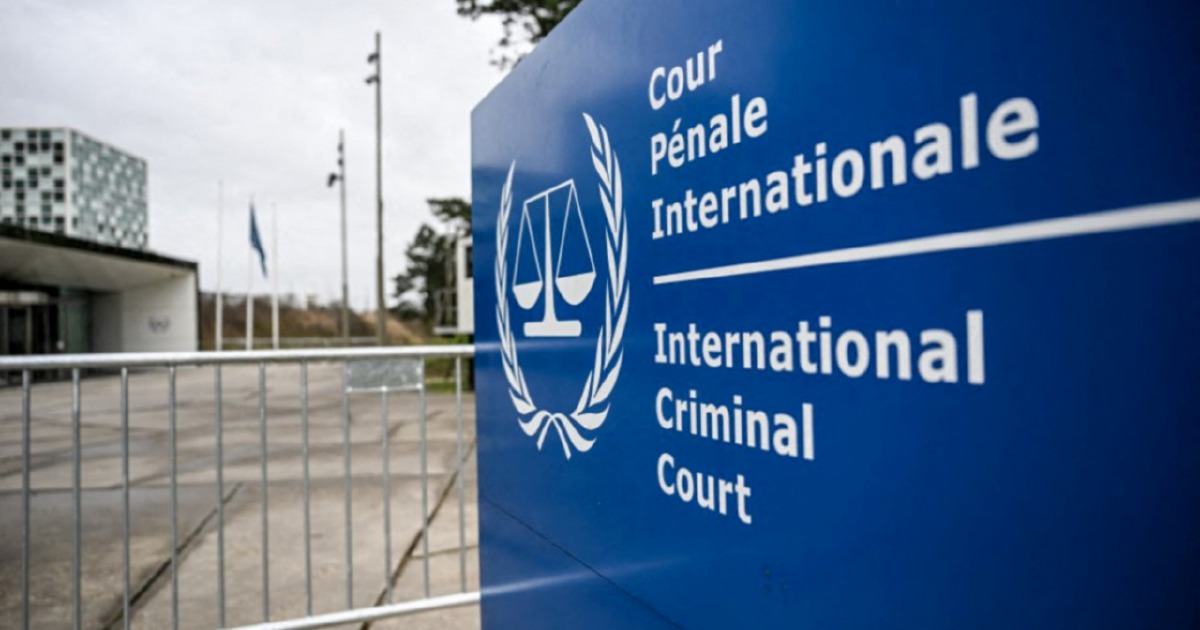
A Malaysian legal professional at the centre of an international controversy has stepped into the public arena for the first time since lodging sexual misconduct allegations against International Criminal Court chief prosecutor Karim Khan, using the platform to confront a narrative she says has been weaponised by her critics. Speaking to CNN, the attorney rejected accusations that her case serves foreign political interests, highlighting how her anonymity prior to this statement had created space for various actors to construct alternative interpretations of her motivations and character that bear little resemblance to her actual circumstances.
The allegations against Khan emerged amid global scrutiny of the ICC's handling of sensitive cases involving conflict zones and major powers. His position as the organisation's chief prosecutor places him at the helm of investigations that span from the Middle East to Eastern Europe, making the timing and nature of the allegations particularly significant. The case has drawn considerable attention from media outlets worldwide, though coverage in Southeast Asia has been comparatively limited, perhaps reflecting the region's more cautious approach to ICC-related matters given the court's controversial jurisdiction and the complex diplomatic sensitivities surrounding its operations.
By choosing to identify herself and speak on record, the Malaysian lawyer has fundamentally altered the terms of the debate surrounding the allegations. Anonymous accusations, while sometimes necessary for protecting vulnerable parties, can become targets for speculation and reinterpretation. Her decision to emerge from anonymity suggests confidence in her account and a desire to reclaim agency over her own narrative, a consideration that carries particular weight for professional women in Malaysia's legal sector, where gender-based harassment and dismissal of complaints remain persistent challenges despite formal institutional safeguards.
The specific suggestion that her allegations represent a coordinated effort involving Israeli interests reflects broader geopolitical tensions that have increasingly played out within international institutions. Such claims, while difficult to substantiate, appeal to conspiratorial thinking and can serve to discredit legitimate complaints by entangling them in larger political disputes. For Malaysian readers, this dynamic may resonate with similar patterns observed in regional diplomacy, where accusations of external manipulation are sometimes used to undermine domestic accountability mechanisms.
Khan's tenure as ICC prosecutor has been marked by his willingness to pursue investigations that implicate powerful nations and actors, a stance that has generated both praise from human rights advocates and fierce criticism from states viewing such investigations as politically motivated. The allegations against him occur within this contested environment, raising questions about whether institutional pressures or other factors may have contributed to the conduct in question. The ICC itself faces credibility challenges, particularly among African and developing nations that contend the court disproportionately focuses on their jurisdictions while largely ignoring Western powers.
For the Malaysian legal community, the case carries professional significance beyond the immediate facts. Malaysia has engaged with international criminal justice mechanisms, and its lawyers occasionally participate in ICC proceedings or related international legal forums. The conduct and accountability of chief prosecutors therefore touches on broader questions about professional ethics and institutional integrity that resonate across the profession globally. The case also highlights how even prominent international positions are subject to oversight and how allegations of misconduct, regardless of the complainant's nationality, warrant serious consideration.
The allegation of Israeli involvement appears to stem from broader Middle East politics and historical patterns of attribution whereby actions inconvenient to certain governments are readily attributed to Israeli instigation. In this instance, presenting such accusations without evidence serves primarily to distract from the substantive question of whether Khan's alleged conduct occurred and, if so, whether it meets the threshold for institutional action. The Malaysian lawyer's public intervention essentially signals that she is prepared to defend her credibility and account through direct engagement rather than remaining shielded by anonymity, a development that will likely intensify scrutiny of Khan's response and the ICC's investigative processes.
The international legal landscape increasingly intersects with Malaysian affairs, from human rights investigations to corporate accountability mechanisms. As such, how major institutions like the ICC handle allegations against their leadership sets precedent relevant to Malaysian civil society and legal practitioners who interact with these bodies. The case demonstrates both the potential and the pitfalls of international accountability mechanisms—they can provide a forum for bringing powerful figures to account, yet they remain vulnerable to geopolitical manipulation and institutional self-protection.
Khan's response to these allegations will likely come under intense scrutiny in coming weeks and months. The ICC's governing structure and internal accountability procedures will be tested in real time, with observers watching to determine whether the institution can credibly investigate one of its own senior officials. For Malaysia, where public confidence in domestic institutional accountability remains variable, the outcome of this case may influence perceptions of whether international institutions function with genuine independence or merely replicate patterns of power protection observed in national systems.
The public emergence of the Malaysian lawyer also raises important questions about burden of proof, credibility assessment, and how institutions should weight anonymous versus named accusations. Legal professionals globally will be monitoring this case closely as it unfolds, recognising that the protocols established in handling such allegations can have cascading effects on institutional culture and the willingness of others to come forward with complaints in the future. The case thus transcends the specific individuals involved to touch on fundamental questions about institutional integrity and accountability.

