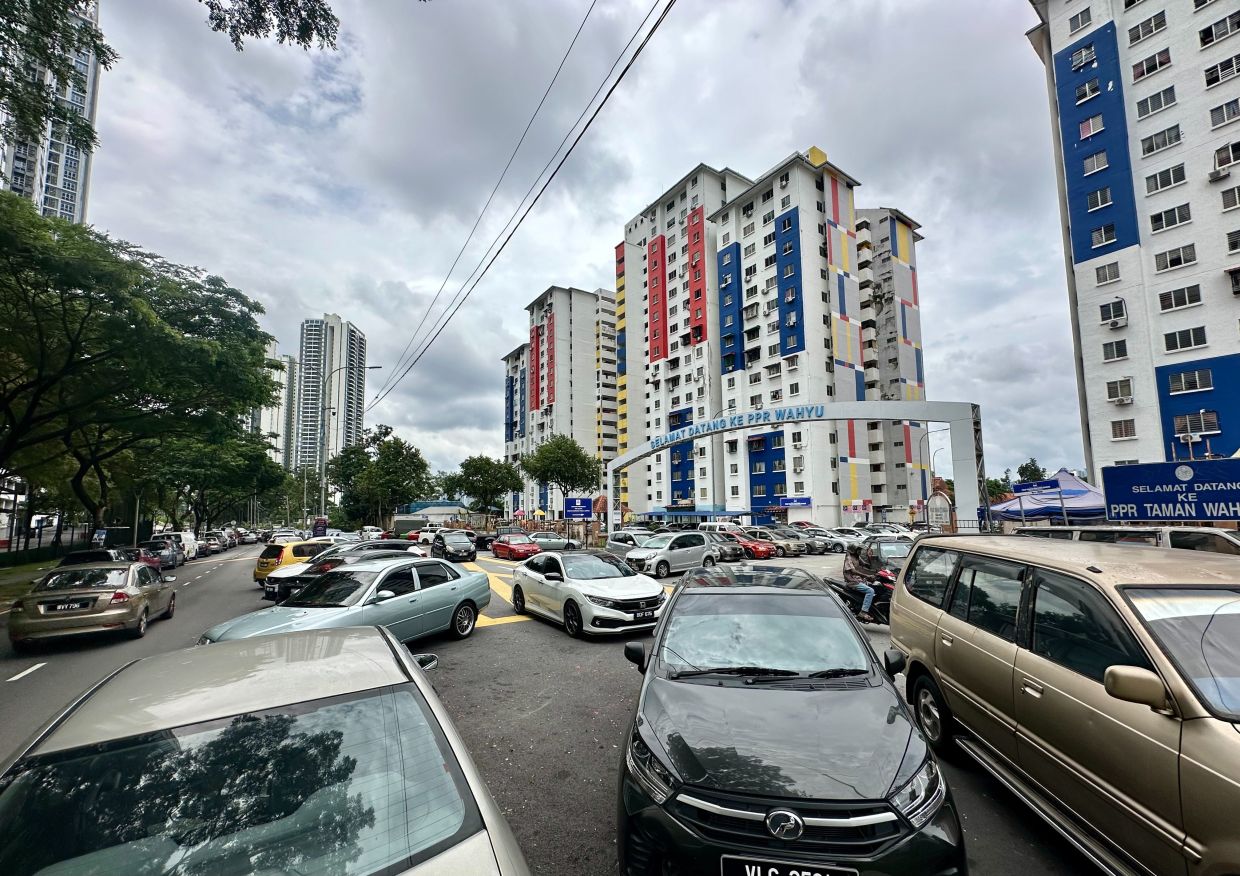
Local councils across Malaysia have been ordered to refrain from issuing parking summonses while the Selangor Intelligent Parking system undergoes emergency repairs following a significant cyberattack. The directive comes after hackers successfully breached the Flexi Parking app, the digital backbone supporting street parking, off-street parking, and compound payments for motorists in Selangor and several other states. The paralysis of this payment infrastructure left hundreds of thousands of drivers unable to pay parking fees through their smartphones, creating widespread disruption across major urban centres.
Datak Ng Suee Lim, chairman of the state local government committee, confirmed the scope of the attack during a media briefing at Stadium Shah Alam last Wednesday. The security breach, which unfolded over 48 hours, compromised payment processing across 64 local councils operating under the unified platform. Rather than pursue enforcement action against motorists who could not pay due to the technical failure, authorities recognised the inequity of penalising drivers during a systemic outage beyond their control. The decision to suspend summons represents an acknowledgment that service disruption should not translate into additional financial burden for the public.
The cyberattack specifically targeted data transaction systems, exposing a vulnerability in how payment information was being processed and stored. This breach necessitated an immediate suspension of operations to prevent further compromise of sensitive user data and to allow forensic teams to investigate the extent of unauthorised access. The shutdown was presented not as a temporary inconvenience but as a necessary precaution to safeguard the integrity of financial and personal information held within the system. Authorities emphasised that restoring basic functionality was secondary to ensuring that when services resumed, they would do so with robust security measures in place.
Initially, questions arose about whether the Selangor Intelligent Parking system's private operator, Rantaian Mesra Sdn Bhd, had failed in its security responsibilities. However, Ng clarified that the vulnerability did not originate from the SIP concessionaire's infrastructure. Instead, the breach occurred within the Flexi Parking platform, a centralised nationwide system that had recently assumed control of parking management across major Selangor municipalities including Shah Alam, Subang Jaya, and Selayang. This distinction is significant because it suggests the attack exploited weaknesses in a more recently implemented, centralised architecture rather than longstanding vulnerabilities in the original SIP system operated locally.
The transition to the Flexi Parking system represented an effort to unify parking operations across multiple jurisdictions and simplify payment processes for motorists. However, this consolidation inadvertently created a single point of failure affecting dozens of local councils simultaneously. The scale of the compromise underscores a recurring challenge in digital infrastructure: the trade-off between operational efficiency and security resilience. Centralising payment systems reduces administrative overhead and theoretically improves user experience, but concentrating critical functions on one platform also magnifies the impact when that platform is compromised.
For Malaysian motorists accustomed to the convenience of mobile payment applications, the outage represented a frustrating return to manual processes and uncertainty about their parking status. Many drivers would have experienced anxiety about whether they might still face penalties despite attempting to comply with parking regulations. The suspension of summonses during the downtime provided temporary relief but also highlighted the vulnerability of urban services that have become increasingly dependent on digital infrastructure. The incident raises questions about contingency planning and whether alternative payment methods should be maintained as backup systems.
The geographical spread of the disruption across multiple states illustrates how interconnected Malaysia's parking infrastructure has become. What originated as a cybersecurity incident in one system rippled outward to affect motorists in numerous municipalities, each relying on the same vulnerable platform. This interconnectedness, while theoretically enabling better coordination and cost savings, also means that a single breach can have statewide or even national implications. Other Southeast Asian cities contemplating similar digital integration initiatives will be watching closely to understand how Malaysian authorities respond to and prevent such attacks in future.
Technical teams were mobilised to conduct forensic analysis and implement security patches, but authorities provided little public detail about the attack's origin or methodology. Such opacity is not uncommon in cybersecurity incidents, as revealing technical details could potentially aid future attackers. However, it also leaves the public with limited understanding of how personal and financial data may have been compromised and what measures are being taken to prevent recurrence. The incident underscores the importance of transparency in cybersecurity governance, particularly when public systems affecting millions of users are involved.
The suspension of summons, while fair under the circumstances, also creates a governance question about how to manage parking compliance during extended outages. If the system repair process extends beyond a few days, councils face pressure to either resume enforcement or indefinitely suspend penalties. A prolonged outage could undermine parking discipline if drivers believe they can avoid compliance during system failures. This scenario highlights the need for robust recovery protocols and redundant systems that ensure critical urban services can continue operating even when primary infrastructure is compromised.
Looking forward, this incident serves as a cautionary tale for Malaysian local authorities considering further digital transformation. While technology can streamline operations and improve service delivery, it must be implemented with cybersecurity as a foundational concern rather than an afterthought. The Flexi Parking breach demonstrates that attacks on seemingly routine municipal systems can have cascading effects across entire regions. Rebuilding public confidence in digital payment systems will require not just technical fixes but transparent communication about what went wrong and what steps are being taken to prevent future incidents.

