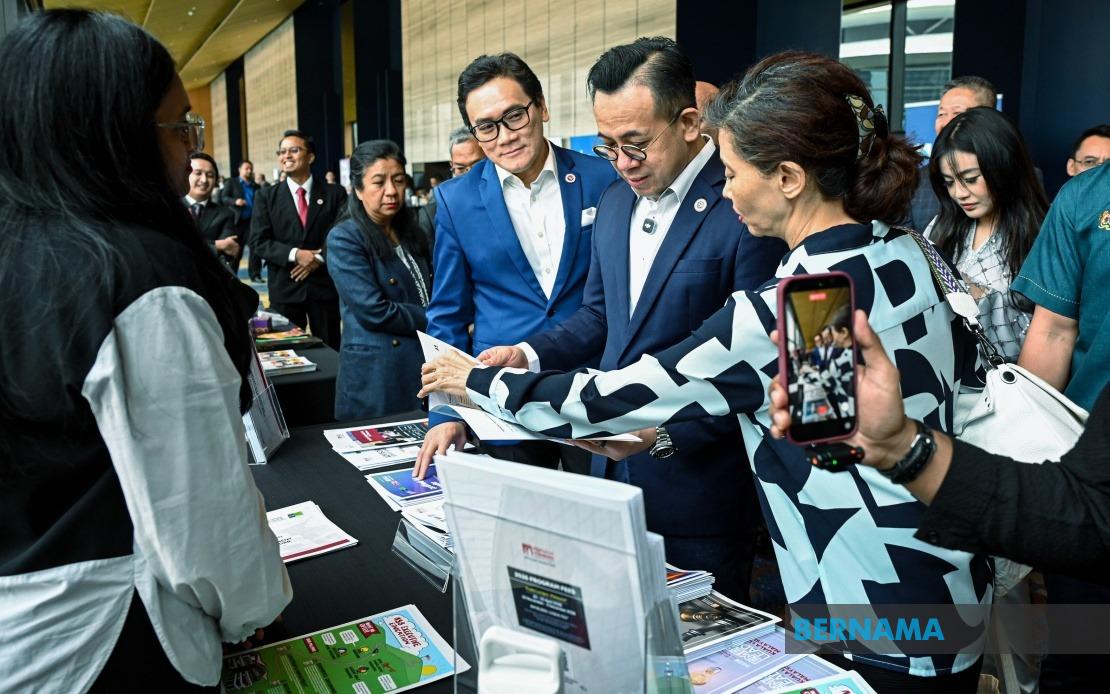
The Malaysian government is pushing local companies to fundamentally rethink their competitive strategy, moving away from price-based competition towards a model built on innovation, quality assurance and genuine value creation. Speaking at the BrandQuest 2026 programme and National Mark of Malaysian Brand Appreciation Ceremony in Kuala Lumpur, Entrepreneur and Cooperatives Development Minister Steven Sim outlined a strategic vision that seeks to reposition Malaysian products as premium offerings in global markets rather than cost alternatives to established brands.
Sim's intervention reflects growing recognition within government circles that Malaysia's manufacturing sector risks being trapped in a commodity price trap that leaves it vulnerable to competition from lower-wage economies across Southeast Asia and beyond. By encouraging domestic firms to pursue differentiation through design innovation, manufacturing excellence and brand development, the ministry is attempting to guide the economy towards higher-value production chains. This shift addresses a persistent weakness in Malaysian industrial policy: the tendency for local manufacturers to serve as contract producers for international brands rather than developing proprietary products and intellectual property.
The conceptual reframing from "Made in Malaysia" to "Made by Malaysia" carries significant implications for how companies position themselves internationally. The former model emphasises manufacturing location alone, suggesting products are produced domestically but potentially originated elsewhere. The latter demands genuine innovation ownership, with Malaysian businesses controlling product development, design and creative direction. For smaller and medium-sized enterprises, this transition requires investment in research capabilities, design expertise and brand-building activities that many have historically outsourced or neglected in favour of rapid volume growth.
The government is backing this rhetorical shift with financial support mechanisms. The ministry allocated RM230,000 through SME Corp to assist approximately 40 micro, small and medium enterprises in securing National Mark of Malaysian Brand certification during 2025 and 2026. While the subsidy per company appears modest, the initiative signals official endorsement of the branding and quality certification process as essential infrastructure for competing in contemporary global markets. Sim indicated openness to expanding this allocation as the programme demonstrates results, suggesting the government views this as a foundational investment warranting sustained commitment.
Beyond branding initiatives, the Power Up 10K financing programme demonstrates the scale of government effort to resource this transition. As of July, the scheme had channelled RM9 billion to 250,000 entrepreneurs nationwide, representing significant progress toward the RM15 billion target for the year. This financing volume indicates the government recognises that repositioning Malaysian companies requires more than exhortation—businesses need accessible capital to invest in equipment, talent and intellectual property development necessary for differentiation strategies. The programme's broad reach across the entrepreneurial base suggests authorities are attempting to make innovation-focused growth accessible beyond a select cluster of advanced manufacturers.
The recognition of award recipients including Seasonings Specialties, Passive Fire Protection, Goodnite, Halagel and Sydney Cake House illustrates the diversity of sectors where Malaysian companies are pursuing premium positioning. Rather than concentrating on traditional export sectors, the ministry is celebrating achievement across consumer goods, specialty manufacturing and food production. This breadth suggests the "Made by Malaysia" vision encompasses multiple pathways to international competitiveness, not a narrow sectoral strategy. Each recipient represents a different market segment yet shares commitment to building distinctive brand identity rather than competing primarily on cost.
For Malaysian consumers and businesses, this policy direction carries complex implications. Supporting higher-value domestic production may lead to increased prices for local goods relative to imports, at least in the transition period. However, proponents argue that investing in quality and innovation creates higher-wage employment and retains more value within the Malaysian economy compared to low-margin contract manufacturing. The strategy also addresses potential vulnerabilities to automation and labour cost competition, as higher-value-added products and services prove more resilient when competitors elsewhere invest in robotics or relocate production to even lower-cost locations.
The minister's explicit statement that "the mission is to make Malaysian businesses great" frames economic policy in aspirational rather than purely technical terms. This rhetorical emphasis reflects awareness that transforming business behaviour requires not just financial incentives but cultural shift within the entrepreneurial community. Companies must embrace longer investment horizons and tolerate lower initial margins as they build brand equity and develop proprietary capabilities. Such transformations historically meet resistance from businesses accustomed to rapid returns through volume growth and cost optimisation.
Regional context adds urgency to Malaysia's repositioning efforts. Throughout Southeast Asia, economies face pressure to move beyond basic manufacturing as wages rise and supply chains diversify. Thailand, Vietnam and Indonesia all pursue strategies emphasising innovation and value addition. Malaysia's particular challenge involves upgrading an established manufacturing base and entrepreneurial ecosystem toward higher complexity without losing existing competitive advantages or experiencing disruptive job losses. The government's approach—combining financial support with certification schemes and public recognition—attempts to enable gradual rather than disruptive transition.
The emphasis on quality, health and safety as pillars of the Malaysian brand reflects global market trends where consumers increasingly scrutinise product integrity and corporate responsibility. Asian manufacturers, including those from Malaysia, have periodically faced reputational damage from quality or safety lapses. By making these elements central to the national branding strategy rather than minimum compliance requirements, the government signals that Malaysian firms must exceed international standards rather than merely meeting them. This positioning creates opportunities for premium pricing and brand loyalty among globally conscious consumers.
Implementation of this vision faces practical challenges. Many Malaysian SMEs operate with limited technical capacity, constrained access to international market intelligence, and difficulty recruiting talent with design and innovation expertise. Addressing these obstacles requires complementary investments in vocational training, research infrastructure and technology transfer mechanisms beyond the announced financing and certification programmes. The ministry's recognition that allocation levels may require future increases suggests awareness of these constraints, though concrete timelines and targets for infrastructure investment remain unclear from current announcements.

