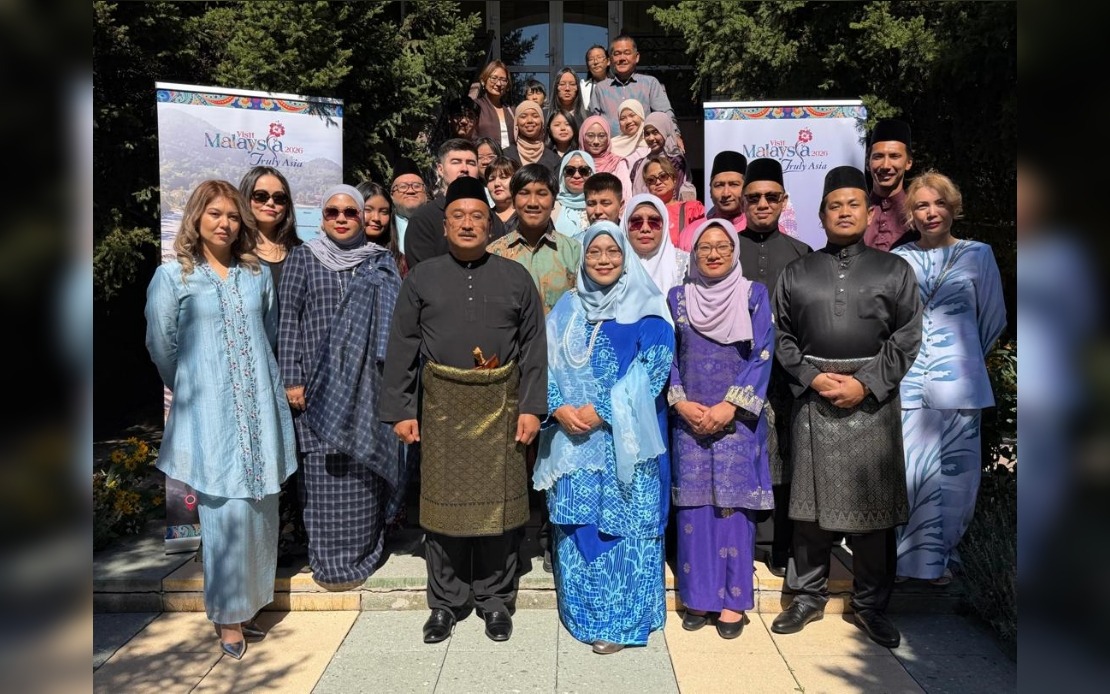
Thousands of kilometres from home, Malaysians stationed in Kazakhstan demonstrated their national pride during a flag-raising ceremony and celebration of the nation's 69th National Day held at Malaysia House in Astana on Saturday. The gathering, coordinated by the Embassy of Malaysia in Astana, underscored how diaspora communities continue to embody patriotic values regardless of geographical distance, reinforcing cultural identity and diplomatic presence in strategically important nations across Central Asia.
The ceremonial proceedings followed traditional protocols, beginning with the hoisting of the Jalur Gemilang before attendees sang Negaraku and recited the Rukun Negara. These fundamental rituals serve as vital connective threads for Malaysians abroad, grounding their experience in shared national symbols and constitutional foundations. For members of the diaspora, such observances carry heightened significance, functioning as anchors to homeland identity whilst simultaneously projecting Malaysia's values and institutional framework to host nations and international audiences observing their commitment to civic duty.
Mohd Adli Abdullah, Malaysia's Ambassador to Kazakhstan, delivered remarks that reframed how national development should be understood and measured. Rather than fixating exclusively on macroeconomic indicators or infrastructure expansion, the ambassador articulated that genuine progress must encompass equitable distribution of development's advantages across all population segments. This interpretation aligns with the Malaysia MADANI framework that underpins 2026 National Day and Malaysia Day celebrations—a governance philosophy emphasising inclusive prosperity rather than narrow GDP-focused metrics.
The ambassador's message holds particular resonance for a Malaysian diaspora community comprising university students, vocational trainees and alumni of development cooperation programmes. These individuals function as knowledge carriers and relationship builders between nations, embodying Malaysia's soft power through professional excellence and cultural representation. By articulating the Malaysia MADANI vision to this audience, the embassy reinforces messaging that Malaysian nationals abroad should actively champion these developmental values, transforming their individual achievements into collective national assets.
Adli emphasised that Malaysians living overseas bear responsibility as unofficial country ambassadors, tasked with protecting and enhancing Malaysia's international reputation whilst cultivating domestic and cross-border solidarity. This appeal connects individual conduct—encompassing diligence, moral integrity, self-discipline and communal solidarity—to broader national interests. For younger Malaysians establishing themselves in foreign contexts, such guidance frames personal choices within patriotic frameworks, elevating everyday professional and social conduct into acts of national service.
The celebration incorporated the 2026 MTCP Alumni Get-Together, recognising the Malaysia Technical Cooperation Programme's instrumental role in facilitating knowledge exchange between Malaysia and Kazakhstan. Established in 1980 as Malaysia's contribution to South-South cooperation frameworks, the MTCP provides training initiatives, capacity-building courses and advanced study opportunities to developing nations, positioning Malaysia as a credible knowledge-sharing partner within the Global South.
Kazakhstan represents a significant beneficiary of this cooperation model. By 2025, approximately 196 Kazakh officials had undergone capacity-building programmes under MTCP auspices, creating an alumni network invested in strengthening bilateral relations. These trained professionals carry professional competencies and personal relationships with Malaysia back into Kazakhstan's government and institutional structures, facilitating ongoing dialogue and cooperation at technical and administrative levels that often transcend formal diplomatic channels.
The MTCP mechanism illustrates how Malaysia leverages its development experience to deepen strategic partnerships with Central Asian nations. Kazakhstan, as a major regional economic power and bridge between Asia and Europe, represents a priority engagement area for Malaysian foreign policy. Through structured capacity-building initiatives, Malaysia cultivates relationships based on mutual benefit and shared development objectives rather than hierarchical assistance frameworks, enhancing the sustainability and depth of bilateral connections.
The embassy statement positioning Saturday's event as reinforcing Malaysia-Kazakhstan relations comprehensively reveals strategic calculation underlying diaspora celebrations. These gatherings serve multiple functions simultaneously: they sustain community cohesion amongst Malaysians abroad, they project Malaysian values and governance philosophy to host-nation observers and diplomatic partners, and they consolidate people-to-people networks that undergird formal state-to-state relations. For nations like Malaysia with substantial diaspora populations and limited geographical proximity to engagement zones like Central Asia, such celebrations become critical diplomatic infrastructure.
The participation of embassy officials, Malaysian students and MTCP alumni reflects the demographic composition of Malaysia's presence in Kazakhstan—primarily comprising government-sponsored trainees, diplomatic staff and professional expatriates rather than large-scale migrant worker communities. This composition shapes diaspora identity and engagement patterns, emphasising professional achievement and institutional linkages over economic survival narratives characterising Malaysian communities in other host nations. Consequently, National Day celebrations in Kazakhstan operate within elevated institutional frameworks, aligning community activities with formal diplomatic objectives.
For Malaysian policymakers and regional observers, the Kazakhstan celebration demonstrates how Malaysia maintains diplomatic footprints and cultural presence in strategically significant yet geographically distant regions. Kazakhstan's vast natural resources, growing economic influence and geographic positioning between Russia, China and South Asia make it increasingly relevant to Malaysian regional strategy. Cultural diplomacy events, educational exchange programmes and professional networking initiatives transform abstract bilateral relations into lived experiences for participating Malaysians, creating constituencies within diaspora communities invested in maintaining and expanding these connections.
The Malaysia MADANI framework introduced at these overseas celebrations also signals how Malaysia is rebranding its development narrative internationally. Rather than projecting a narrowly economic or infrastructural vision of national progress, Malaysia increasingly emphasises inclusive prosperity, social cohesion and equitable benefit distribution—themes potentially more persuasive to development partners questioning whether conventional GDP-focused growth models adequately address contemporary challenges. By embedding this messaging within diaspora engagement activities, Malaysia multiplies its communicative reach, ensuring that Malaysians abroad become articulate advocates for these governance principles within their professional and social circles in host nations.

