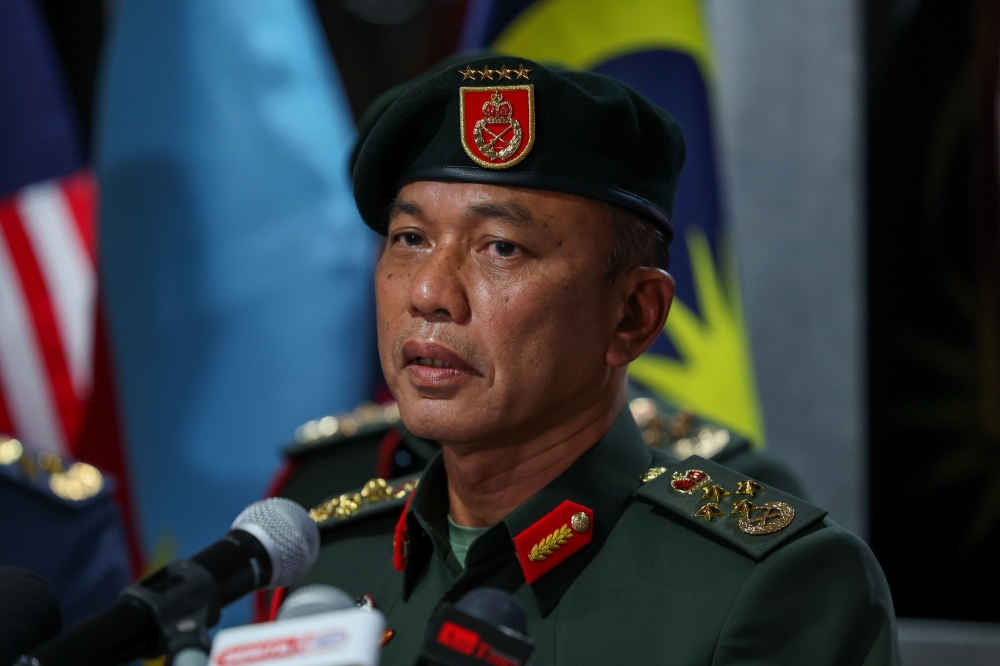
The Malaysian Army has pushed back against allegations of sexual assault involving one of its service members that have circulated widely on social media, contending that the findings from its own internal inquiry run counter to what has been publicly aired. In a statement issued on July 15, the Armed Forces insisted that the matter has been handled through established investigative channels and that the outcome does not align with the narrative dominating online discourse.
The emergence of such allegations on digital platforms reflects a broader pattern across Southeast Asia where serious criminal claims gain rapid traction through social media before traditional investigative processes have concluded. For Malaysia, where the military has faced periodic scrutiny over discipline and institutional accountability, the situation underscores the tension between public pressure for transparency and the need for orderly internal procedures. The viral nature of the allegations means that public perception has already formed in many quarters, regardless of official findings.
The Malaysian Army's decision to publicly address the allegations rather than maintain silence signals awareness of the reputational stakes involved. By directly contradicting the social media narrative, the institution is attempting to regain control of the story before it crystallises into established fact in public consciousness. However, this approach also invites further scrutiny into the credibility and rigour of its internal investigation process—a mechanism that has historically operated with limited external oversight or transparency in Malaysia.
The timing and manner in which allegations emerge on social media often obscures crucial contextual details about investigations. Claims may be published before formal conclusions, while details about the investigative methodology, evidence standards, or procedural safeguards remain unknown to the public. This information asymmetry creates conditions where military assurances alone may carry limited weight with a population increasingly sceptical of official narratives from security institutions.
For Malaysian civil society and observers concerned with institutional accountability, this incident raises important questions about how the Armed Forces conducts internal investigations and whether external mechanisms exist to verify their findings independently. Countries across the region have grappled with balancing military autonomy in matters of discipline with public accountability and victim protection. The mechanisms available in Malaysia—whether through civil courts, independent oversight bodies, or human rights commissions—remain relevant considerations in evaluating how such allegations should ultimately be resolved.
The psychological and social impact on alleged victims cannot be divorced from these institutional considerations. When serious allegations surface through social media rather than formal channels, individuals involved may lack access to proper support systems, legal guidance, or protection from retaliation. The Malaysian military's response, while addressing the institutional dimension of the dispute, does not necessarily address the welfare concerns affecting those at the centre of the allegations.
This incident also illuminates the relationship between military discipline and civilian justice systems in Malaysia. Sexual assault allegations, regardless of the perpetrator's military status, constitute serious criminal matters that may fall under civilian jurisdiction. The framing by the Armed Forces as primarily an internal disciplinary issue potentially sidesteps questions about whether allegations should be referred to civil authorities and prosecuted through the regular criminal justice system where victims and the public have greater confidence in outcome legitimacy.
The credibility of the Malaysian Army's position depends significantly on transparency about the investigation itself. Details about which personnel were interviewed, what evidence was examined, whether external expertise was consulted, and how findings were reached would strengthen institutional claims. Currently, the public is asked to accept a conclusion without visibility into the reasoning or methodology—a burden that may prove difficult to sustain in an era of heightened institutional scepticism.
Regional parallels are instructive. Throughout Southeast Asia, militaries have faced similar challenges navigating the space between internal discipline and public accountability. Thailand, Indonesia, and the Philippines have each experienced controversies where military responses to allegations lacked perceived credibility, leading to prolonged institutional damage. The Malaysian scenario presents an opportunity for the Armed Forces to demonstrate that it can address serious allegations through rigorous, transparent, and victim-centred processes.
Moving forward, the Malaysian Army faces a choice about whether to provide greater public insight into its investigative conclusions or allow suspicion to fester. Should allegations ultimately be substantiated through independent review, the institution's initial contradictions would compound reputational harm. Conversely, if the investigation genuinely contradicts social media claims, the Armed Forces has incentive to demonstrate this through evidence and reasoning that convinces stakeholders beyond its own institutional boundaries.
The broader implications for military-civil relations in Malaysia hinge on how this matter concludes. Military institutions require a degree of operational autonomy, yet public confidence in their ability to police themselves remains fragile. This incident serves as a test case for whether Malaysia can develop institutional mechanisms that satisfy both the legitimate autonomy requirements of security forces and the accountability expectations of a maturing democracy. The resolution, or lack thereof, will influence public trust in military responses to similar allegations going forward.

