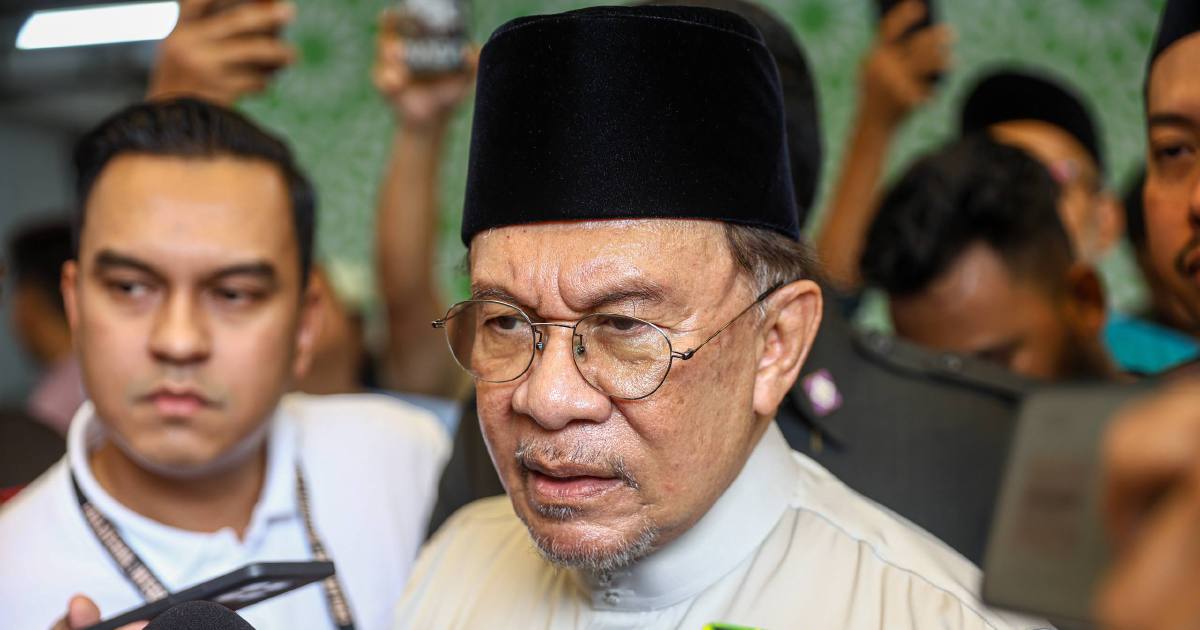
Prime Minister Datuk Seri Anwar Ibrahim has reaffirmed Malaysia's unwavering commitment to pursuing fugitive businessman Low Taek Jho—popularly known as Jho Low—regardless of whether he receives a presidential pardon from the United States. The statement underscores Kuala Lumpur's determination to hold the businessman accountable for his role in the 1Malaysia Development Berhad (1MDB) scandal, one of the world's largest financial corruption cases.
Jho Low's name has become synonymous with the massive theft at sovereign wealth fund 1MDB, which emerged during the administration of former prime minister Najib Razak between 2009 and 2015. The scandal exposed how billions of ringgit were diverted through shell companies and international bank transfers, with substantial portions allegedly flowing to the fugitive's personal accounts and investments. That initial shock to Malaysia's reputation and institutions has continued to reverberate through the country's financial and political landscape for nearly a decade.
The businessman fled Malaysia ahead of formal charges and has since remained at large, believed to be in hiding outside the country. Multiple jurisdictions, including the United States, Switzerland, and Singapore, have pursued separate legal cases against him related to money laundering, conspiracy, and misappropriation of funds. His ability to evade capture despite international arrest warrants has frustrated Malaysian authorities and raised questions about the effectiveness of cross-border law enforcement cooperation.
Anwar's declaration is significant because it clarifies that any decision by Washington to grant clemency would not diminish Malaysia's resolve to bring Jho Low to justice through its own legal system. The Prime Minister's comments reflect the gravity with which the government views the 1MDB case as a matter of national interest and institutional integrity. For Malaysia, the pursuit extends beyond mere financial recovery—it touches on the credibility of the nation's courts and regulatory institutions in the eyes of both domestic and international observers.
The timing of Anwar's remarks comes amid speculation about potential presidential pardons in the United States. Such clemency decisions have historically been controversial when granted to individuals convicted of financial crimes, particularly those involving international dimensions. Any pardon granted to Jho Low would represent a significant diplomatic and legal complication, though it would not directly affect Malaysia's ability to prosecute him under Malaysian law.
From a practical standpoint, Malaysia has multiple avenues for pursuing justice independent of American legal outcomes. The country can continue with extradition requests through formal channels, pursue asset recovery efforts, and maintain its own criminal investigations. The government has already secured convictions and civil judgments related to the 1MDB case, establishing a clear legal framework upon which further action can be built. These mechanisms exist separately from any US prosecution or clemency decision.
The 1MDB scandal has profound implications for Southeast Asia beyond Malaysia's borders. The case demonstrated how sophisticated financial schemes could exploit regulatory gaps across multiple jurisdictions, affecting investor confidence throughout the region. It also highlighted the challenges developing nations face in combating corruption and money laundering when wealthy individuals have access to international financial networks and can relocate across borders. Singapore and the United States have each recovered billions in stolen assets, but Malaysia's recovery efforts have been more protracted.
Jho Low's continued fugitive status also raises questions about international cooperation in law enforcement. Despite being one of the world's most wanted fugitives, he has managed to evade capture—a fact that reflects both the logistical challenges of apprehending individuals with substantial financial resources and the varying priorities different countries place on pursuing the case. Malaysian authorities have consistently called for enhanced international coordination and intelligence sharing to track down individuals accused of such high-profile financial crimes.
The government's position reflects broader efforts to demonstrate that Malaysia has moved beyond the 1MDB era and restored institutional credibility. The recovery of the Anwar-led administration has involved seeking convictions of senior officials involved in the scandal, as well as implementing stronger financial oversight mechanisms. Reaffirming the pursuit of Jho Low serves as a symbolic commitment to these reforms and to the principle that no individual—regardless of wealth or international connections—can escape accountability for defrauding the Malaysian state.
For ordinary Malaysians, the case remains a potent reminder of how institutional failures under previous administrations allowed one man to orchestrate the theft of public funds on an unprecedented scale. While the stolen money will likely never be fully recovered, the pursuit of justice sends an important signal about the rule of law and the government's determination to prevent similar schemes in the future. Each development in the case, including potential international legal proceedings or clemency decisions, generates renewed public interest and scrutiny.
Looking forward, Malaysia may need to intensify diplomatic pressure on countries where Jho Low might be hiding or where his associates operate. Intelligence cooperation with friendly nations and formal extradition requests remain critical tools. The statement from Anwar also signals to international partners, particularly the United States, that Malaysia will not accept any outcome that would undermine the pursuit of justice for what remains one of the nation's most serious crimes against the state.
The Prime Minister's firm position ultimately reflects a reality that transcends individual criminal cases: the imperative to demonstrate that Malaysia's institutions are independent, capable, and committed to the rule of law. That commitment cannot be outsourced to foreign governments, even allied ones, and any suggestion that Malaysia would abandon its pursuit based on decisions made elsewhere would contradict the principle of national sovereignty and judicial independence that the current administration has worked to restore.

