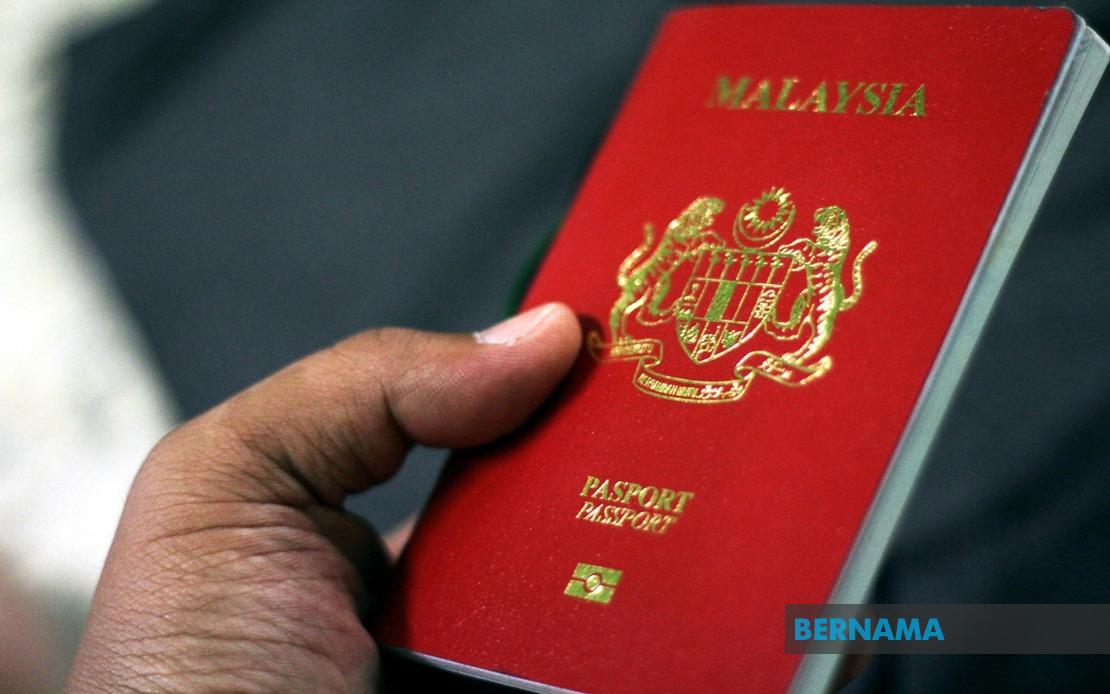
Prime Minister Datuk Seri Anwar Ibrahim will introduce the next generation of Malaysia's International Passport at the Parliament lobby tomorrow, marking a significant advancement in the nation's identity document security infrastructure. The redesigned passport incorporates 94 distinct security features, substantially escalating protection levels compared to the existing model's 49 protective elements. This launch represents a coordinated government initiative to fortify the integrity of Malaysian travel credentials in response to evolving global security standards and emerging forgery technologies.
The security enhancements embedded within the new passport reflect contemporary anti-counterfeiting technology adopted by leading nations worldwide. Holographic elements have been integrated throughout the document's pages, creating three-dimensional visual effects that shift and change when viewed from different angles—a technique notoriously difficult for counterfeiters to replicate accurately. Ultraviolet printing capabilities have been applied to select pages and design elements, rendering security features visible only under specialised lighting conditions that border officials use during document verification processes. These technologies work in concert to create multiple layers of authentication that require increasingly sophisticated equipment to reproduce.
Beyond surface-level visual enhancements, the new passport incorporates hidden visual elements strategically positioned throughout its pages to prevent casual inspection from revealing all security mechanisms. Specialised forensic security features have been developed in consultation with international document security experts, allowing authorities to conduct advanced laboratory analysis if document authenticity is questioned. Each page maintains a unique layout rather than repeating standardised patterns, complicating efforts by organised forgery networks to mass-produce counterfeit documents using template-based manufacturing approaches.
The binding mechanism itself has undergone significant technological revision, with the thread holding the passport booklet together now featuring enhanced security properties. This often-overlooked component represents a critical vulnerability in conventional passports, as sophisticated counterfeiters frequently exploit poor binding assembly processes. By upgrading this fundamental structural element, Malaysian authorities have addressed a security gap that many developing nations continue to overlook in their travel document specifications.
This initiative aligns with announcements made earlier this year by Home Minister Datuk Seri Saifuddin Nasution Ismail, who unveiled broader plans to comprehensively redesign Malaysia's identity authentication ecosystem. The government intends to simultaneously introduce enhanced versions of the MyKad identification card alongside the new passport, creating an integrated security framework across multiple identity documents. This coordinated approach reflects recognition that forgers frequently exploit inconsistencies between different government-issued credentials, and modern identity security requires harmonised protection standards across all official documents.
Malaysia's International Passport currently ranks as the world's third most powerful travel document according to the Passport Index 2025 rankings, a classification determined by examining visa-free or visa-on-arrival access to global destinations. The enhancement initiative aims to reinforce this elevated status by ensuring the document's physical security matches the access privileges it provides. A compromised or easily forged Malaysian passport could undermine the diplomatic agreements enabling citizens to travel without pre-arranged visas, potentially affecting tourism and business travel for legitimate citizens if widespread forgery incidents trigger reciprocal visa restrictions from trading partners.
For Malaysian citizens and residents, the new passport represents immediate practical implications for travel and identity authentication. Citizens applying for new passports or renewing expired documents will receive the enhanced version, though authorities have not announced whether existing passport holders face mandatory replacement deadlines. The strengthened security features are designed to reduce processing delays at international borders, as improved authentication capabilities allow quicker verification by immigration officials worldwide. Enhanced document durability resulting from upgraded binding and materials should extend passport validity reliability throughout the full ten-year validity period.
Regionally, Malaysia's passport enhancement initiative reflects broader Southeast Asian trends toward strengthening identity document security infrastructure. Thailand, Singapore, and Indonesia have implemented comparable technological upgrades in recent years, creating a regional security standard that complicates transnational forgery operations. By aligning Malaysian standards with neighbouring nations' specifications, the government facilitates smoother regional travel and makes it economically unfeasible for criminal networks to develop forgery techniques compatible across multiple countries.
The parliamentary lobby launch location carries symbolic significance, positioning the new passport as a matter of national importance and governmental achievement rather than a routine administrative update. Prime Minister Anwar Ibrahim's personal participation elevates the initiative's profile, signalling that identity document security remains a priority within the current administration's governance agenda. The timing of the announcement also demonstrates coordination between the Prime Minister's office and the Home Ministry in implementing comprehensive identity security reforms.
International document security experts anticipate that the 94-feature specification places Malaysia's passport within the highest tier of global security standards, comparable to passports issued by developed nations with substantial resources dedicated to anti-counterfeiting measures. The combination of visible, invisible, and forensic-level security elements creates a defence-in-depth approach where even successful reproduction of one security feature leaves additional barriers preventing fraudulent document acceptance. This layered security philosophy represents a departure from earlier approaches relying primarily on a single difficult-to-forge element.
As counterfeiting technologies evolve in sophistication, the government's willingness to substantially upgrade security specifications demonstrates commitment to maintaining document integrity over extended timeframes. The comprehensive nature of the redesign—affecting visual elements, printing techniques, binding mechanisms, and forensic properties—suggests coordination with international security consultants experienced in combating organised document forgery. Such expertise typically derives from law enforcement cooperation with immigration authorities in developed nations, indicating that Malaysia has accessed advanced security intelligence in developing these specifications.
The practical rollout of the enhanced passport will require updating verification procedures used by Malaysian immigration officials and training personnel at overseas diplomatic missions to recognise and authenticate the new security features. Airlines and border agencies worldwide will need notification of the specification changes to ensure their document scanning technology and staff training accommodate the revised standards. This cascading implementation timeline means the launch tomorrow initiates months of behind-the-scenes coordination with international travel and immigration bodies.

