The Malaysian government maintains active surveillance of over 21,000 of its citizens living or working in 14 countries experiencing armed conflict, ready to execute large-scale evacuation operations if regional security sharply declines. This considerable tracking effort reflects Kuala Lumpur's heightened concern about the safety of Malaysians abroad, particularly in volatile regions where sudden escalations could strand nationals without rapid exit routes.
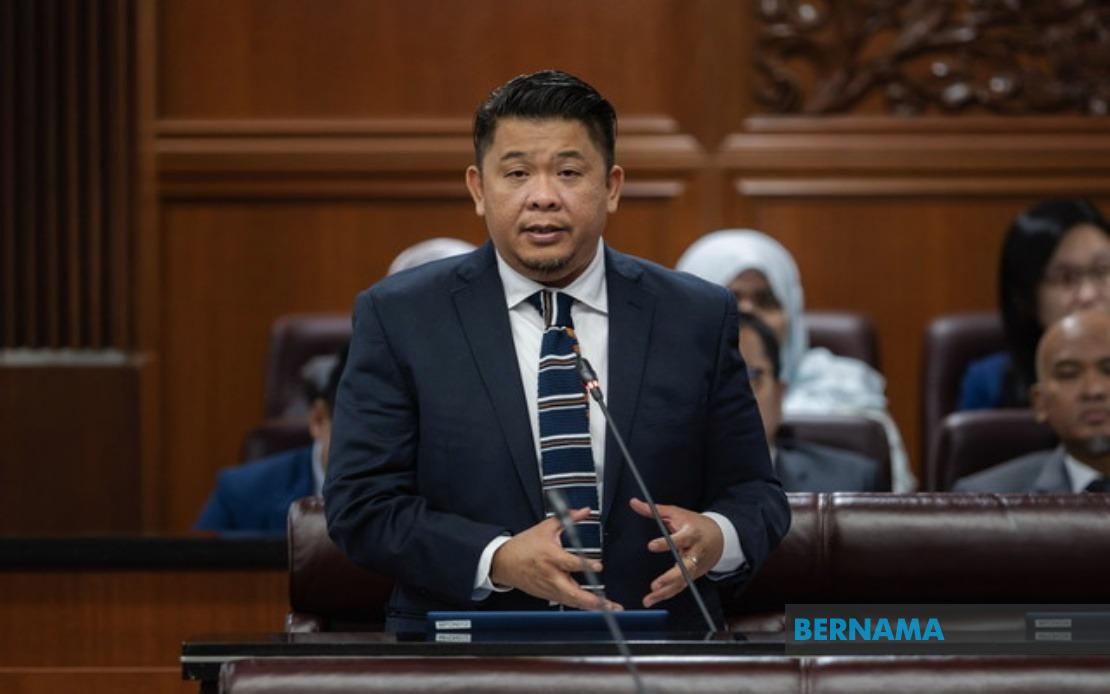
Deputy Foreign Minister Datuk Lukanisman Awang Sauni outlined the contingency framework during parliamentary proceedings, emphasising that prior experience managing international crises has substantially enhanced the government's capacity to respond to emerging threats. The ministry's approach combines real-time location mapping with established communication channels and pre-arranged transportation assets, ensuring that evacuation directives can be executed swiftly across multiple jurisdictions simultaneously.
The coordination framework extends far beyond diplomatic missions alone. Wisma Putra has integrated planning mechanisms with defence, transport, and private sector partners, creating a multi-layered response system. The Royal Malaysian Air Force stands ready to deploy charter aircraft, while the Foreign Ministry maintains agreements with commercial airlines for rapid deployment of evacuation flights. This institutional architecture reflects lessons learned from managing previous crises, where fragmented responses delayed assistance to stranded citizens.
Petroliam Nasional Bhd operates its own parallel evacuation protocols for its personnel stationed across conflict regions, demonstrating how critical Malaysian enterprises independently safeguard their workforce while coordinating with government authorities. Non-governmental organisations and travel agencies constitute additional mobilisation points within this ecosystem, ensuring that even private-sector movement of Malaysians feeds into overarching security awareness.
Each diplomatic mission maintains dynamically updated contingency plans tailored to their specific operating environment. These documents encompass detailed mapping of Malaysian populations by location and profession, pre-established communication protocols for alerting citizens, resource inventories available within each mission, and staged evacuation procedures calibrated to escalating threat levels. This operational design enables graduated responses rather than binary all-or-nothing evacuations, preserving normalcy for Malaysians when situations remain stable whilst maintaining rapid mobilisation capacity.
The activation trigger for these plans depends on several factors working in concert. Mission chiefs assess current security developments through intelligence networks, calculate casualty risks to Malaysian populations based on conflict proximity, and factor the absolute numbers of citizens requiring movement. This risk-calibrated approach prevents unnecessary disruptions to Malaysian communities whilst ensuring authorities never face situations where evacuation capacity is overwhelmed by the sudden emergence of threats.
The Foreign Ministry actively encourages Malaysian nationals abroad to maintain proactive contact with diplomatic missions through multiple channels. Registration via email, telephone communication, or the dedicated e-Consular system allows authorities to maintain accurate contact databases essential for rapid emergency notification. The MyWorldAlert application provides citizens with real-time security information and direct access to emergency assistance mechanisms, placing responsibility-sharing between government and individuals.
The West Asian conflict escalating earlier this year triggered three separate travel advisories from Wisma Putra, guiding Malaysians on whether to remain in place, relocate within the region, or return to Malaysia entirely. The ceasefire announced on April 8 gradually restored commercial aviation connectivity, with most regional airspace reopening as immediate hostilities subsided. This phased reopening allowed the government to transition from emergency response posture toward normalised operations, though underlying tensions and the possibility of renewed conflict maintain the need for sustained preparedness.
Umrah pilgrims represent a particular concern within this monitoring framework, given the seasonal nature of Islamic pilgrimage and the concentration of Malaysian visitors during specific periods. Umrah operators coordinating with the Foreign Ministry ensure that package travel includes contingency briefings and integration with government tracking systems, protecting both individual pilgrims and the broader tourism ecosystem dependent on Middle Eastern accessibility.
For Malaysian students scattered across conflict-affected nations, the monitoring system provides critical protection during vulnerable periods when academic schedules may not align with deteriorating security situations. Educational institutions operating in conflict-adjacent regions coordinate with diplomatic missions to ensure student registrations remain current, enabling rapid communication should evacuation become necessary.
The comprehensive nature of this preparedness reflects Malaysia's position as a significant source of overseas workers, pilgrims, and business personnel throughout regions experiencing chronic instability. Unlike smaller nations that might rely primarily on international organisations for citizen protection, Malaysia's scale demands that it maintain independent evacuation capability and real-time awareness of its dispersed population. This self-reliant approach ensures that Malaysian interests are protected according to national priorities rather than external actors' schedules or capacities.

