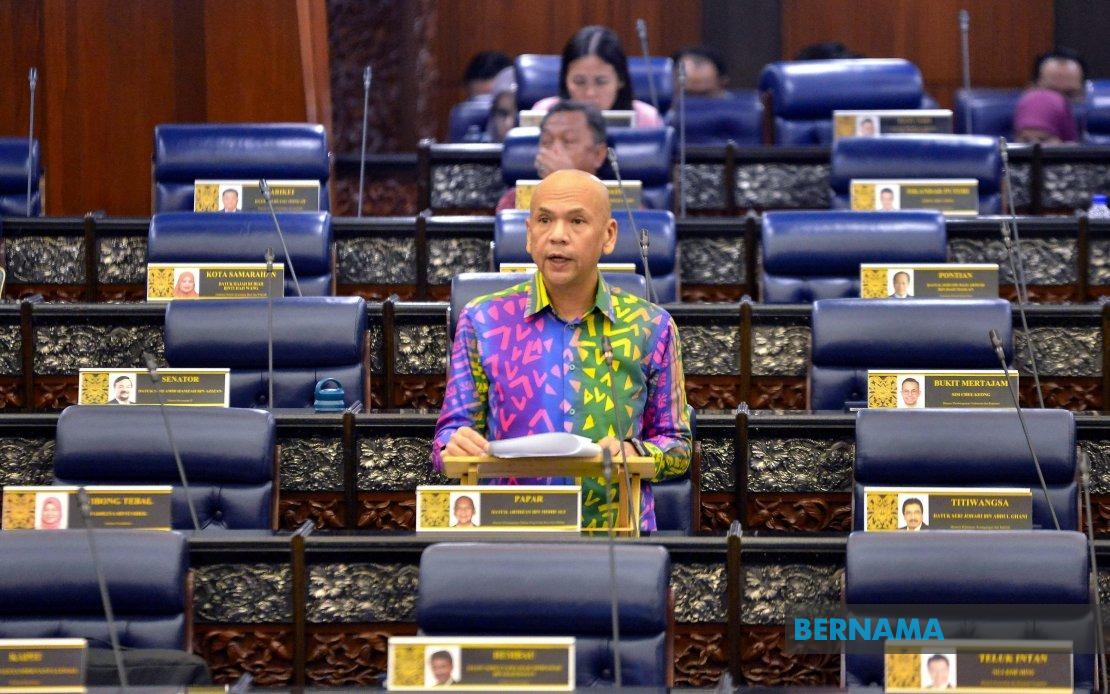
Malaysia is moving to significantly strengthen its competition enforcement framework by equipping the Malaysia Competition Commission with powerful new incentive mechanisms designed to dismantle cartel operations. Under the Competition (Amendment) Bill 2026, the commission will be empowered to offer financial rewards to whistleblowers and provide substantial penalty reductions to enterprises that voluntarily acknowledge wrongdoing at an early stage. Domestic Trade and Cost of Living Minister Datuk Armizan Mohd Ali outlined these provisions during parliamentary debate on July 2, emphasising that the amendments represent a critical evolution in how Malaysia tackles anti-competitive behaviour that harms consumers and distorts markets.
The introduction of Section 64B establishes a dedicated whistleblower rewards programme, recognising that intelligence from insiders often proves instrumental in exposing cartel arrangements. Individuals who provide information that leads to the detection of cartel activity will now have a clear pathway to financial compensation, a mechanism previously absent from Malaysia's competition toolkit. This represents a deliberate shift toward leveraging insider knowledge, which typically provides investigators with direct evidence of price-fixing schemes, market-sharing agreements, and output restrictions that might otherwise remain concealed behind corporate secrecy.
Equally significant is the Settlement Offer mechanism introduced under Section 38A, which allows enterprises acknowledging liability to receive penalty reductions of up to 40 per cent. This carrot-and-stick approach provides genuine incentives for businesses implicated in cartel activities to cooperate with investigators rather than contest allegations through protracted legal proceedings. By encouraging early settlement, the commission can allocate resources more efficiently, reducing the burden of lengthy investigations and the subsequent litigation that often follows final enforcement decisions. The mechanism effectively compresses the timeline from violation to resolution, allowing the regulator to move resources toward new investigations rather than defending previous cases in court.
The legislation addresses a critical gap in Malaysia's existing whistleblower protections. The Whistleblower Protection Act 2010 applies exclusively to criminal offences and disciplinary matters, leaving civil competition cases—which form the bulk of cartel prosecutions—without statutory safeguards. By introducing Sections 64A and 64B specifically to protect those reporting competition violations, the new bill ensures that individuals disclosing cartel information enjoy absolute protection from retaliation, dismissal, or other adverse consequences. This distinction matters substantially in practice, as cartel cases typically involve civil liability rather than criminal prosecution, meaning whistleblowers previously lacked formal legal recourse if their employers discovered their cooperation with authorities.
The amendment also significantly broadens the definition of "enterprise" covered by competition law, expanding from purely commercial entities to encompass any participant in economic activities. This expansion carries particular weight in Malaysia's context, as it grants MyCC explicit authority to investigate industry associations and professional bodies that engage in cartel-like behaviour. Previously, ambiguity about whether associations fell within the scope of competition law created enforcement gaps. Now, if an industry group makes collective decisions involving price-fixing, market allocation, or output restrictions, the commission possesses unambiguous legal standing to investigate and prosecute these violations.
For Malaysian consumers and businesses, these amendments address longstanding vulnerabilities in cartel enforcement. Cartels artificially inflate prices across essential sectors—from construction materials to food distribution—imposing hidden costs on households and small enterprises throughout the economy. International experience demonstrates that combination of whistleblower incentives and settlement mechanisms substantially increases detection rates. Studies from jurisdictions like the European Union and United States show that robust leniency programmes uncover cartels that might otherwise operate indefinitely, as cartel members face conflicting incentives when they know others might defect to authorities in exchange for immunity or reduced penalties.
The strategic thinking behind these amendments reflects global best practices in competition enforcement. Cartels function through trust and mutual restraint among participants; once that trust fractures—whether through economic stress, management changes, or awareness of regulatory investigation—the arrangement collapses. Whistleblower programmes systematically exploit this vulnerability by offering individuals within cartels a path to cooperation that provides both financial reward and legal protection. Settlement offers similarly target the psychological calculus of cartel participants, who must weigh the certainty of reduced penalties against the uncertainty and expense of defending allegations in enforcement proceedings.
Regionally, Malaysia's enhanced competition framework positions it as a more rigorous enforcer within Southeast Asia. As regional trade deepens and supply chains become increasingly integrated, weak competition enforcement in one country can undermine consumer protection and market fairness across borders. Malaysian exporters benefit from operating in a region where competition rules are credibly enforced, as it prevents offshore competitors from using cartel arrangements to undercut legitimate pricing. Similarly, Malaysian consumers gain from regional enforcement coordination, as cartels operating across national boundaries become more vulnerable when participating nations employ consistent enforcement tools.
The Competition (Amendment) Bill 2026 advanced to the policy stage in parliament during July 2 debate, with committee stage proceedings scheduled for the following Monday. A companion measure, the Competition Commission (Amendment) Bill 2026, also reached second reading at the same session. This coordinated legislative progression suggests the government prioritises implementing these enforcement enhancements relatively quickly, signalling commitment to more aggressive cartel prosecution. The timeline indicates parliament expects the bills to progress through remaining stages and receive royal assent within a reasonable timeframe, allowing MyCC to operationalise the new mechanisms promptly.
Operationally, the commission faces the challenge of establishing robust administrative systems to manage whistleblower rewards and settlement negotiations. Reward amounts must be calibrated carefully—sufficiently attractive to incentivise disclosure, yet sustainable within budget constraints and not so large as to create perverse incentives for fabricated allegations. Settlement procedures require clear guidelines ensuring that companies cannot leverage settlement offers to escape genuine accountability, while simultaneously maintaining genuine incentives for early cooperation. MyCC will likely develop detailed procedural rules specifying how whistleblowers can submit information confidentially, how reward determinations occur, and what settlements encompass.
The financial implications for businesses warrant careful consideration. Enterprises operating legitimately have nothing to fear from these amendments, but those engaged in cartel activities face materially higher risks. The combination of whistleblower rewards and increased detection likelihood means cartel arrangements become substantially more precarious, as any participant can suddenly defect to authorities. Companies must reassess whether cartel participation remains worthwhile when internal actors can monetise their cooperation and when early settlement offers provide escape routes. For legitimate competitors, enhanced enforcement removes the unfair disadvantage of competing against cartelised rivals, improving market conditions and profitability over time.
Looking forward, Malaysia's parliament will determine whether these tools sufficiently strengthen competition enforcement or whether additional measures become necessary. The effectiveness of the new framework will depend heavily on MyCC's resourcefulness in investigating complex cartel schemes and public awareness of whistleblower mechanisms. Education campaigns ensuring that business professionals understand the rewards available and protections offered will be essential to generating the insider information these programmes rely upon. As the bills proceed through remaining parliamentary stages, policymakers should remain alert to implementation challenges and prepared to refine procedures based on early experience.

