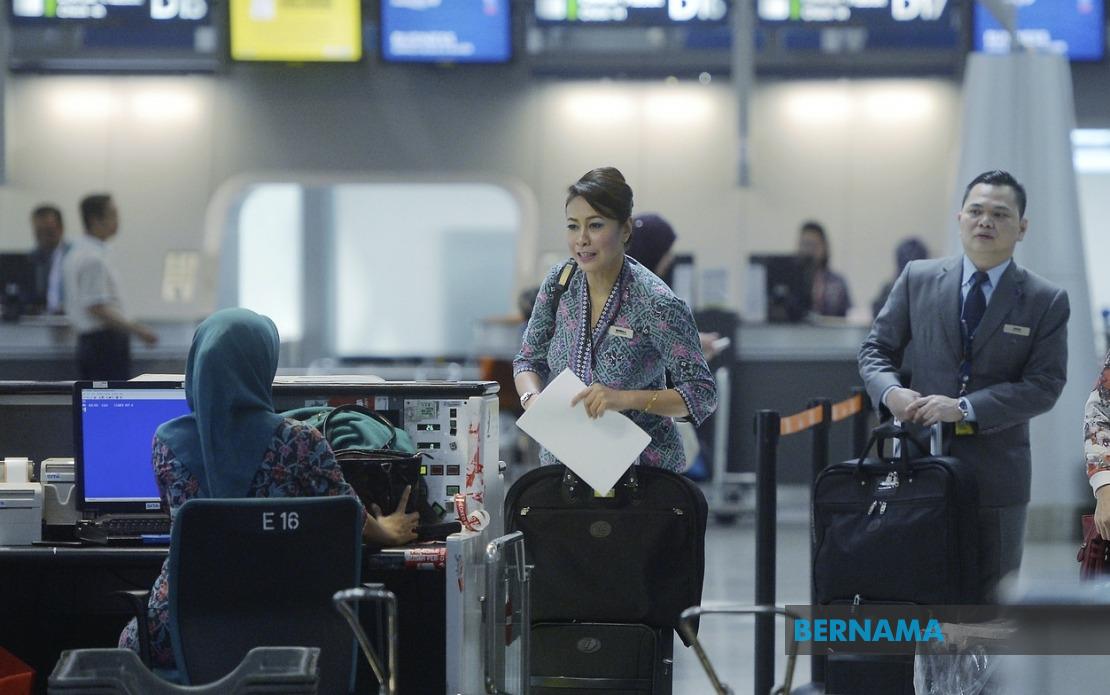
Malaysia's aviation security framework is being overhauled in response to a high-profile drug smuggling case that exposed potential vulnerabilities in existing screening protocols for aircrews. The Malaysian Border Control and Protection Agency (AKPS) has announced comprehensive upgrades to security procedures at airports countrywide, signalling a coordinated response among multiple government agencies to prevent similar incidents. The announcement came during a high-level meeting at Kuala Lumpur International Airport (KLIA) involving senior officials from the Transport Ministry, AKPS, the Royal Malaysia Police (PDRM), and Malaysia Aviation Group (MAG).
The catalyst for these reforms centres on the July 29 arrest of a 39-year-old Malaysian pilot at Jakarta's Soekarno-Hatta International Airport. The pilot, who had operated an international passenger flight from Kuala Lumpur, was detained by Indonesian customs authorities on suspicion of attempting to smuggle approximately 25 kilogrammes of ecstasy valued at roughly Rp60 billion (approximately RM13.5 million) into Indonesia. The contraband was discovered concealed within the suspect's checked luggage, raising uncomfortable questions about how such a substantial quantity of controlled substances passed through Malaysia's supposedly rigorous departure security.
What makes this case particularly troubling for aviation authorities is that the pilot had successfully cleared all standard screening procedures at KLIA before his July 28 departure. According to AKPS director-general Datuk Seri Mohd Shuhaily Mohd Zain, advanced scanner technology deployed at Malaysia's premier airport detected nothing amiss. Neither the drugs nor the luggage in question triggered any alerts during routine screening, allowing the suspect to proceed through departure with his illicit cargo intact. This gap between detection capability and actual interdiction has prompted urgent review of existing protocols.
The Transport Ministry secretary-general Datuk Seri Jana Santhiran Muniayan chaired the emergency coordination meeting to assess current vulnerabilities and chart a path forward. The participation of Malaysia Aviation Group underscores the private sector's stake in preventing aviation-related criminal activity, which threatens both national security and the reputation of Malaysian carriers operating in regional and international markets. MAG's representatives reportedly treated the matter with considerable gravity, acknowledging that enhanced screening measures are not merely regulatory compliance exercises but fundamental requirements for maintaining operational integrity.
Mohd Shuhaily outlined the proposed enhancements, indicating that all pilots and crew members will undergo substantially more rigorous vetting procedures going forward. The existing framework, evidently calibrated to balance efficiency with security, appears inadequate for detecting determined individuals attempting to exploit their privileged access within the aviation ecosystem. The revised approach will likely encompass more intensive background checks, behavioural assessment protocols, and potentially more intrusive physical screening measures than currently standard for aircrew.
The incident highlights a persistent challenge in aviation security: balancing operational convenience for legitimate personnel against the imperative to detect insider threats. Pilots and flight crews occupy uniquely trusted positions within the aviation system, traditionally receiving expedited processing to ensure flight schedules remain unimpeded. However, this expedited status can paradoxically create security blind spots, as enhanced scrutiny might be perceived as unnecessary given the established vetting that precedes aviation employment. The Malaysian case demonstrates that employment credentials alone provide insufficient assurance against criminal intent.
Indonesian customs authorities, led by Director-General Djaka Budi Utama, initiated the interdiction, effectively serving as a backstop for Malaysian screening procedures. This international layer of detection prevented what could have been a significant trafficking success, but authorities in Kuala Lumpur recognize that relying on downstream enforcement in neighbouring countries is inadequate. Prevention at the point of departure remains the optimal strategy for controlling illicit substances and protecting Malaysia's international standing as a jurisdiction serious about combating trafficking.
The timing of this announcement carries significance for regional aviation security discussions. Southeast Asian nations collectively struggle with enforcement capacity against sophisticated smuggling operations, particularly those leveraging legitimate transport infrastructure and personnel. Malaysia's proactive response—swiftly convening relevant agencies and committing to procedural enhancement—contrasts with approaches that might attempt to minimize the incident or delay remedial action. The visible coordination among multiple agencies signals that authorities recognize the reputational and operational implications of inadequate oversight.
Pending feedback from the Royal Malaysia Police will provide additional context regarding how the pilot evaded detection, potentially revealing systemic weaknesses beyond technical screening capabilities. AKPS officials have flagged that understanding the mechanics of the breach is essential to designing effective countermeasures. This investigative approach suggests the forthcoming enhancements will extend beyond simply acquiring more sensitive scanning equipment to encompassing procedural, supervisory, and behavioural assessment components.
For Malaysia's aviation industry and passengers, these enhanced procedures represent necessary safeguards against abuse of the system by individuals positioned to exploit it. While additional screening may marginally extend processing times for legitimate crews, the alternative—permitting drug smuggling through privileged access—poses far greater risks to operational integrity and national security. Regional competitors and international partners will likely view Malaysia's response as a credible commitment to maintaining security standards consistent with its position as a major aviation hub.
The incident also underscores the ongoing challenge of distinguishing between personnel motivated by financial gain and those with genuine security concerns. A 39-year-old pilot with ostensible career stability choosing to risk his professional future and liberty on a single smuggling operation suggests either financial desperation or involvement in organized trafficking networks. Either scenario points to the need for screening that incorporates not merely technical detection but also psychological and financial risk assessment components.

