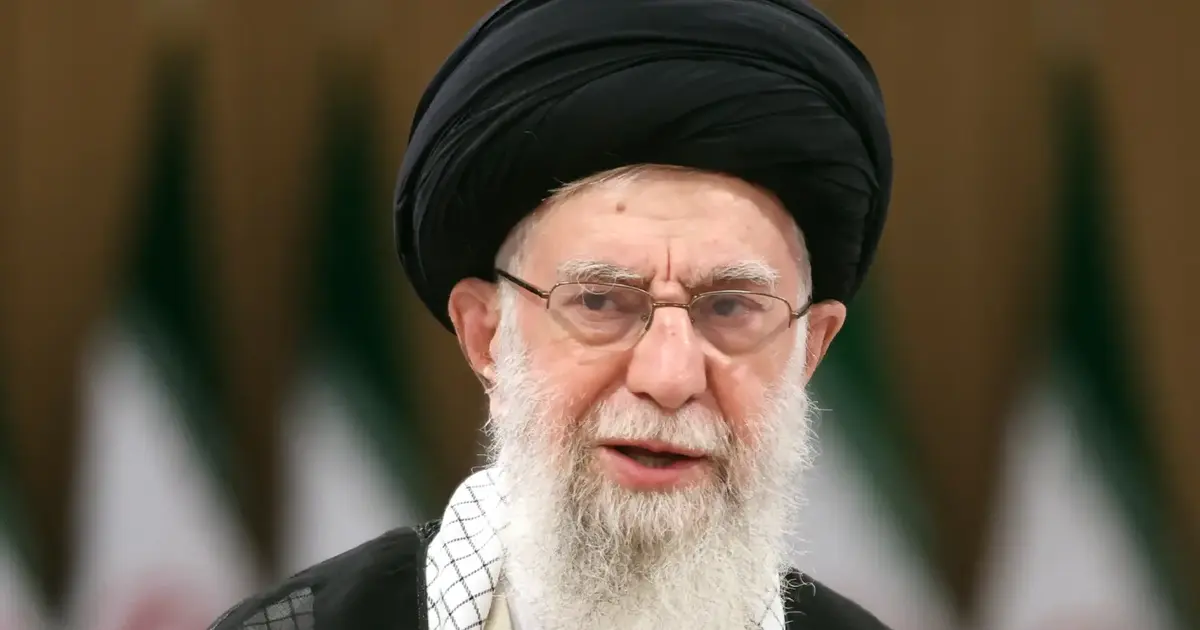
Malaysia will dispatch Agriculture and Food Security Minister Mohamad Sabu to Tehran as its official representative at the funeral of Iran's Supreme Leader Ayatollah Ali Khamenei, Prime Minister Anwar Ibrahim announced. The high-level delegation signals Kuala Lumpur's intention to maintain formal diplomatic relations with Iran during a period of significant transition for the Middle Eastern nation.
The death of Khamenei, who had led Iran since 1989, represents a watershed moment in the Islamic Republic's political landscape. His passing necessitates a carefully calibrated international response from nations with established ties to Tehran. Malaysia's decision to dispatch a senior cabinet minister underscores the seriousness with which the Malaysian government regards its relationship with Iran and the broader implications for Middle Eastern geopolitics affecting trade and security interests across Southeast Asia.
Matthew Sabu's selection as Malaysia's envoy carries particular significance given his portfolio overseeing agriculture and food security. This choice suggests that Malaysia may be positioning itself to discuss bilateral economic cooperation with Iran's transitional leadership, particularly in sectors where the two Muslim-majority nations share complementary interests. The agriculture sector represents an area where Malaysia has substantial expertise, and the funeral provides an opportune moment for diplomatic engagement at the highest levels of Iran's new administration.
The timing of Malaysia's representation reflects broader patterns of international engagement following Khamenei's death. Nations across Asia, Europe, and the Middle East have been determining how to acknowledge Iran's internal transition while maintaining their own strategic interests. For Malaysia, which has pursued a balanced foreign policy emphasising relations across the Muslim world and beyond, attending the funeral reaffirms commitment to engagement rather than isolation.
Iranian succession mechanics carry importance for regional stability that extends beyond Tehran. As Southeast Asia's largest Muslim-majority economy, Malaysia occupies a unique position in bridging Islamic communities and Western-oriented governance systems. The funeral attendance represents Malaysia's implicit endorsement of Iran's internal processes and signals to other regional actors that Kuala Lumpur will continue normal diplomatic relations regardless of leadership transitions in Tehran.
The delegation's composition also reflects Malaysia's institutional approach to foreign representation. By sending a cabinet-level minister rather than a ceremonial figure or lower-ranking official, the government conveys that this is substantive diplomacy rather than mere protocol observance. Such decisions carry weight in the diplomatic community, where the rank of attending officials communicates volumes about how seriously nations regard particular international developments.
For Malaysia's domestic audience, the funeral attendance demonstrates that the government maintains pragmatic relationships across the Islamic world without ideological constraints. This message holds particular importance in Malaysia's diverse political environment, where various constituencies maintain differing views on Iran and broader Middle Eastern affairs. Deploying a respected minister from an Islamist-leaning coalition partner sends reassuring signals about the government's commitment to engaging with all relevant actors in the Muslim world.
The funeral itself will draw representatives from scores of nations and international organisations, creating a rare occasion for informal diplomatic encounters. Such gatherings often facilitate side meetings and bilateral discussions that would require extensive scheduling protocols in normal circumstances. Mat Sabu's presence positions Malaysia to engage with Iranian officials navigating the complex transition process, potentially laying groundwork for deeper cooperation in areas ranging from trade to security coordination.
Iranian succession arrangements involve complex institutional structures, with ultimate authority eventually settling among religious leaders, military commanders, and appointed officials. Malaysia's attendance at Khamenei's funeral allows Kuala Lumpur to demonstrate respect for these internal processes while beginning to establish relationships with whoever emerges as the next Supreme Leader. Early diplomatic engagement during transition periods often yields advantages in bilateral relations during the subsequent administration.
From a Southeast Asian perspective, developments in Tehran influence regional dynamics through multiple channels. Iran's strategic positioning, energy production, and role in Middle Eastern conflicts affect shipping lanes, energy security, and geopolitical alignments that touch Malaysian interests. By maintaining active diplomatic presence during Iran's leadership transition, Malaysia positions itself to influence how Iran's new leadership approaches regional engagement.
The deployment to Tehran also reflects Malaysia's broader strategy of maintaining diplomatic flexibility in an increasingly multipolar international system. Rather than adopting rigid ideological positions that might isolate Malaysia from important actors, the government pursues pragmatic engagement calibrated to protect national interests while respecting the sovereignty of other nations.
Mat Sabu's journey to Tehran represents Malaysia's quiet but consistent approach to international relations—one that privileges substantive engagement over symbolic distance-taking. The funeral provides a significant occasion for demonstrating this commitment while positioning Malaysia to contribute constructively to Iran's transition and subsequent regional relationships.

