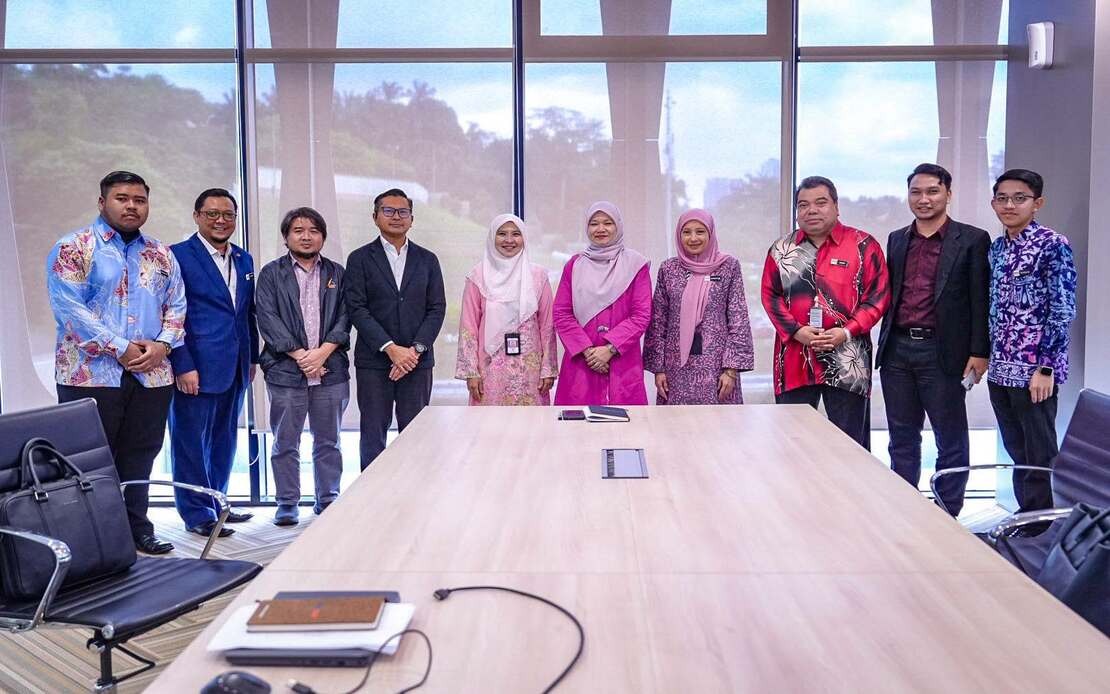
The Malaysian Education Ministry has committed to launching a comprehensive awareness campaign centred on three critical pieces of legislation designed to safeguard children, following a strategic consultation with the country's Human Rights Commission. Education Minister Fadhlina Sidek announced that advocacy initiatives focusing on the Child Act 2001, the Anti-Bullying Act 2026, and the Sexual Offences Against Children Act 2017 will be systematically distributed throughout Malaysia's education system. The decision emerged from discussions held between the ministry and a delegation from the Human Rights Commission of Malaysia (SUHAKAM), headed by Children's Commissioner Dr Farah Nini Dusuki and Dr Mohd Al Adib Samuri.
The initiative represents a deliberate effort to embed awareness and understanding of child protection legislation into the fabric of educational institutions nationwide. Rather than treating these laws as abstract legal instruments, the advocacy approach seeks to translate complex legislative provisions into practical knowledge that educators, administrators, and students can readily comprehend and apply. This educational focus acknowledges that lasting behavioural and institutional change depends on widespread understanding of the legal frameworks that protect vulnerable populations, particularly children who spend the majority of their waking hours within school environments.
During the meeting, officials addressed pressing concerns that have increasingly occupied the attention of Malaysian policymakers and civil society. Bullying and sexual harassment in educational settings have become subjects of growing public concern, with documented cases revealing the psychological and physical toll these experiences inflict on young people. The discussion between the Education Ministry and SUHAKAM focused not merely on acknowledging these challenges but on identifying concrete measures that can be implemented to mitigate risks and respond effectively when incidents occur. This reflects recognition that a purely reactive approach—addressing problems after they manifest—proves insufficient for protecting children's fundamental rights and safety.
The collaboration between the Education Ministry and SUHAKAM signals the importance government officials now place on institutional partnerships in advancing child welfare objectives. SUHAKAM's independent status as a constitutional body dedicated to human rights advocacy brings particular credibility and expertise to the initiative. By working closely with the education sector, the commission can help ensure that awareness-raising efforts are grounded in human rights principles while remaining practically implementable within school systems. This partnership model potentially serves as a template for how government agencies and independent rights institutions can coordinate effectively to advance shared protective goals.
Minister Fadhlina's public statement emphasised that creating safe learning environments represents a non-negotiable commitment for Malaysia's education authorities. This framing places child safety alongside traditional educational objectives like academic achievement and skills development, signalling a holistic understanding of what constitutes quality education. When children feel secure from bullying, harassment, and sexual exploitation, they are better positioned to engage cognitively with learning materials and develop healthily during formative years. Conversely, when schools fail to adequately address safety concerns, the resulting trauma and anxiety create barriers to learning that no amount of pedagogical innovation can overcome.
The Anti-Bullying Act 2026, as a relatively recent legislative addition to Malaysia's legal framework, will likely require substantial awareness-building efforts given that many educators and administrators may still be familiarising themselves with its provisions and implementation requirements. Advocacy programmes can clarify what behaviours constitute punishable bullying under the statute, what institutional responsibilities schools bear in reporting and responding to incidents, and what protections and remedies exist for affected students. Without such clarity, legislation risks remaining a dormant legal instrument that fails to generate its intended protective effects.
Similarly, the Sexual Offences Against Children Act 2017 establishes specific criminal prohibitions and procedures related to child protection, yet awareness levels among educators—who serve as critical first responders to disclosures of abuse—may remain incomplete. Advocacy initiatives can train teachers and counsellors to recognise warning signs of sexual abuse, understand mandatory reporting obligations, and provide trauma-informed initial responses to disclosures. This capacity-building function of advocacy programmes extends far beyond simple legal literacy, encompassing practical skills that directly translate into child protection outcomes.
The Child Act 2001, as the foundational legislation governing child welfare, rights, and protection in Malaysia, provides the overarching framework within which the other two statutes operate. Raising awareness about this act ensures that educational communities understand children's fundamental rights to protection, care, and development, not merely as abstract principles but as enforceable legal entitlements. When children understand their own rights, they are better equipped to recognise when those rights are being violated and to seek assistance from trusted adults.
For Malaysian educators and administrators, these advocacy programmes represent an opportunity to strengthen institutional capacity in ways that directly benefit student wellbeing. Schools that have comprehensive understanding of relevant legislation and clear protocols for responding to bullying and sexual abuse can implement preventive measures more effectively and handle incidents with greater sensitivity and procedural correctness. This reduces risks of liability and reputational damage to institutions while, more importantly, ensuring that affected children receive appropriate support and that perpetrators are appropriately held accountable.
The initiative also carries implications for Malaysia's standing within the international human rights community. Demonstrating commitment to implementing and enforcing child protection legislation through systematic educational awareness-raising strengthens Malaysia's credibility in regional and global forums addressing children's rights. This becomes particularly relevant as ASEAN nations increasingly recognise that child protection standards directly influence international rankings, diplomatic relationships, and access to development partnerships that depend on demonstrable human rights commitments.
Moving forward, the effectiveness of these advocacy programmes will depend significantly on implementation fidelity and resource allocation. Simply announcing initiatives without providing adequate training materials, trained facilitators, dedicated time within school schedules, and mechanisms for measuring behavioural and institutional change will likely result in disappointing outcomes. The Education Ministry and SUHAKAM will need to develop clear implementation timelines, specify target audiences within school communities, and establish feedback mechanisms for ongoing programme refinement.
The commitment to prioritise child welfare without compromise, as articulated by Minister Fadhlina, requires sustained action extending well beyond initial advocacy roll-out. As Malaysia's education system absorbs and internalises these legal frameworks, institutional culture must gradually shift to create environments where children feel genuinely safe, where adults act as consistent protectors, and where accountability mechanisms function reliably when violations occur. This cultural transformation represents the ultimate objective underlying legislative reform and awareness-raising initiatives.

