The Malaysian government is proceeding with an ambitious infrastructure initiative to transform how the nation manages disaster response and victim assistance. Fifteen permanent disaster relief centres are scheduled to commence operations at staggered intervals from this year, marking a significant shift away from the ad-hoc approach of converting educational institutions into emergency shelters when floods and other natural disasters strike. The initiative will span nine states and represents a cornerstone effort to modernise the country's disaster management framework.
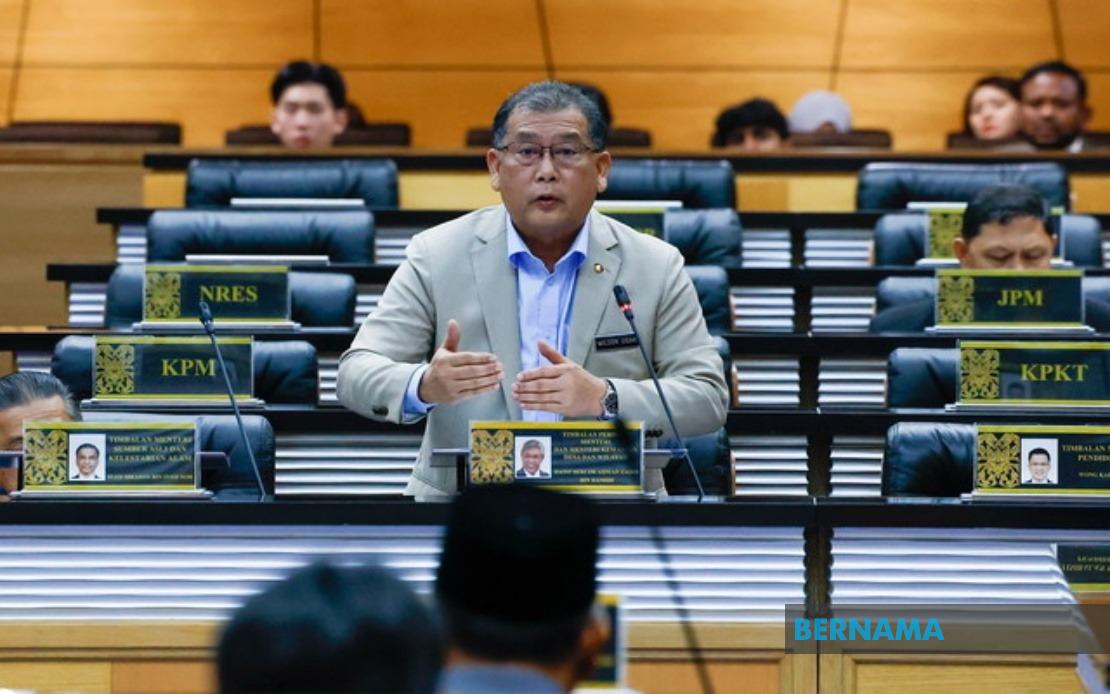
Deputy Digital Minister Datuk Wilson Ugak Kumbong, speaking on behalf of the Ministry of Rural and Regional Development, outlined the current status of the programme during parliamentary proceedings. Two centres—one each in Johor and Pahang—have already reached completion and operational readiness. Nine additional facilities are actively under construction across various locations, whilst four remain in earlier phases of development, specifically procurement and detailed planning stages. This phased approach allows the government to learn from the initial facilities and refine operations before expanding nationwide.
The philosophical foundation of these permanent centres rests on a concept introduced in 2023 that recognises the inefficiency of repeatedly relying on school buildings during emergencies. When monsoon floods inundate communities or other disasters occur, schools traditionally serve as temporary relief posts, disrupting the academic calendar and placing educational infrastructure under considerable strain. The new model addresses this structural problem by creating dedicated facilities that operate as genuine community assets during peaceful times, thereby eliminating the waste of public resources and preserving educational continuity when crises emerge.
Each permanent centre incorporates comprehensive infrastructure tailored to disaster victim support. The facilities feature an open hall designed to accommodate up to 500 displaced persons, a separate dining block with attached cooking facilities, medical treatment rooms, accessible toilets for persons with disabilities, prayer areas, and specifically designed spaces intended to minimise psychological distress among vulnerable populations including children and the elderly. This thoughtful design recognises that disaster victims experience trauma alongside physical displacement, and environmental factors significantly influence psychological recovery. The inclusion of dedicated prayer facilities also reflects Malaysia's multicultural composition and the importance of spiritual comfort during crisis periods.
The selection process for centre locations demonstrates strategic prioritisation. Site identification currently concentrates on localities with documented histories of severe flooding, ensuring that investments address the communities facing greatest risk. However, the approval mechanism involves multiple layers of governmental scrutiny. Any proposal must first navigate the State Disaster Management Committee before escalating to the National Disaster Management Agency for formal evaluation and national-level approval. This multi-tiered process, whilst potentially bureaucratic, ensures alignment between local, state, and federal disaster management priorities and prevents haphazard investment.
The National Disaster Management Agency is currently securing development allocations to expand the programme geographically beyond the initial nine states. Perak has been specifically mentioned as a priority for inclusion in subsequent phases, reflecting recognition of that state's vulnerability to flooding and other weather-related disasters. This expansion planning indicates governmental commitment to eventually achieving nationwide coverage, though the phased implementation approach acknowledges budget constraints and the need to prove the model's effectiveness before scaling comprehensively.
Whilst the permanent centres represent the long-term strategic vision, the government is simultaneously addressing immediate preparedness gaps. The National Disaster Management Agency approved RM4.44 million in April for facility upgrades at twenty-five existing temporary relief posts located within Ministry of Education premises. Additionally, a support mechanism has been established providing maintenance and minor repair funding reaching RM50,000 for operational temporary relief sites activated during the Northeast Monsoon season. These supplementary investments represent recognition that the transition to permanent centres will require time, and interim facilities demand consistent upkeep to ensure readiness.
Deputy Minister Ugak articulated an important philosophical shift in how disaster management should be conceptualised within Malaysian society. Rather than viewing it as the exclusive responsibility of the National Disaster Management Agency, he framed it as requiring a whole-of-government and whole-of-society approach. This perspective emphasises that effective disaster response necessitates coordination across federal agencies, state governments, private sector entities, and community-level organisations. For Malaysia's diverse population scattered across urban centres, rural communities, and island settlements, this collaborative model acknowledges the reality that government agencies alone cannot comprehensively address disaster response without substantial civic participation and business sector support.
The implications for Malaysian readers extend beyond infrastructure investment. The programme directly impacts school operations, as disruptions from temporary relief operations significantly affect students' academic progression, particularly in flood-prone states. The permanent centres offer potential restoration of educational stability. For communities repeatedly affected by monsoon floods or other disasters, dedicated relief infrastructure signals governmental acknowledgment of their vulnerability and commitment to dignified assistance rather than improvised emergency responses. The dual-purpose utilisation of facilities also represents efficient public resource management at a time when government budgets face competing demands.
Regionally, Malaysia's approach offers lessons for Southeast Asian neighbours facing similar disaster management challenges. Thailand, Indonesia, and the Philippines, all vulnerable to tropical cyclones, flooding, and other climate-related disasters, have traditionally faced comparable pressures on educational institutions during emergencies. Malaysia's dedicated centre model, emphasising accessibility and psychological support alongside basic shelter, reflects evolving understanding of disaster assistance that extends beyond mere physical safety to encompassing human dignity and recovery. The framework also acknowledges that climate change is intensifying precipitation patterns across the region, making permanent disaster infrastructure increasingly essential rather than optional.
The timeline for full operationalisation remains dependent on several factors including construction pace, allocation of development budgets for additional phases, and lessons learned from the initial facilities coming online. Government officials have not specified precise completion dates for centres currently under construction or those in planning stages. However, the public commitment to staggered operations beginning this year indicates serious intent. Success in this initial phase will likely determine public perception and political commitment to subsequent expansion rounds.

