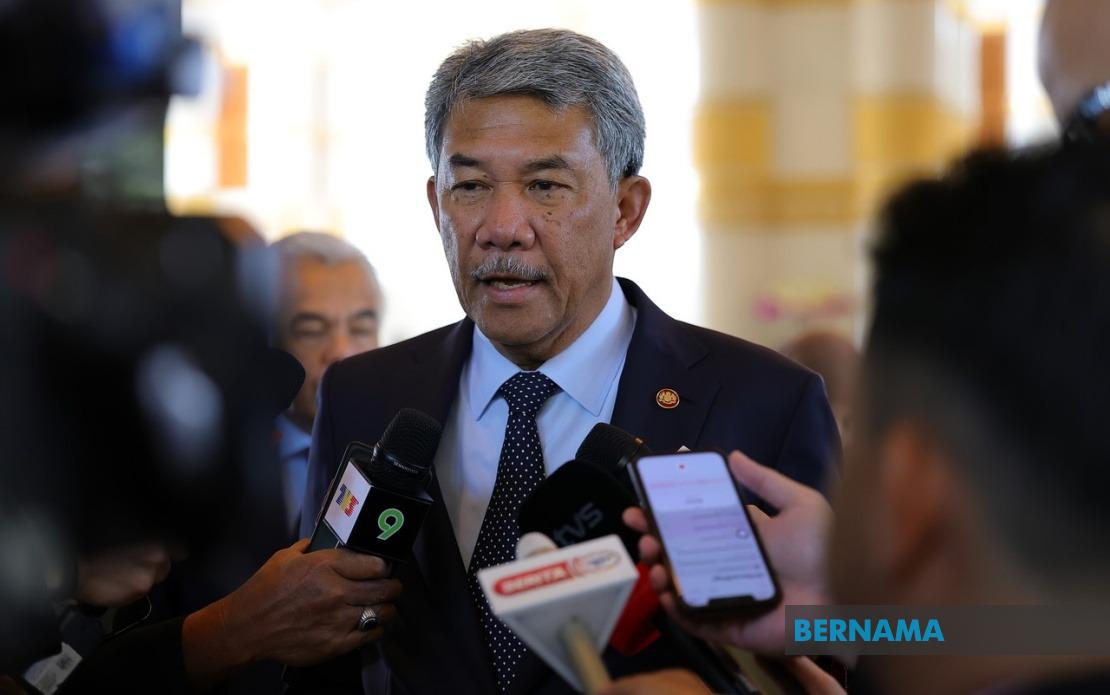
Malaysia is turning to ASEAN's multilateral framework as its primary vehicle for resolving the transboundary haze crisis that has enveloped several parts of Southeast Asia, according to Foreign Minister Datuk Seri Mohamad Hasan. Speaking from Brunei, where he is undertaking a three-day official visit, the minister stressed that ASEAN represents the region's most suitable platform for managing environmental challenges that transcend national boundaries. This strategic choice reflects Malaysia's commitment to collective action through established regional institutions rather than pursuing purely bilateral channels, though direct engagement with affected nations remains part of the broader approach.
The decision to leverage ASEAN mechanisms carries significant weight given the bloc's track record in mediating transboundary environmental issues among its ten member states. Malaysia's Natural Resources and Environmental Sustainability Ministry (NRES) will formally submit written correspondence to the ASEAN Secretariat detailing the haze situation and proposing coordinated regional responses. Additionally, NRES Minister Datuk Seri Arthur Joseph Kurup will establish direct communication with his Indonesian counterpart, combining both institutional and diplomatic channels to maximize the likelihood of substantive action. This dual-track approach demonstrates recognition that while ASEAN provides the legitimate framework, targeted engagement with major stakeholders accelerates problem-solving.
The timing of this announcement during Malaysia's high-level engagement with Brunei underscores the gravity with which regional governments view the pollution crisis. Mohamad's statements during his encounter with press representatives at a hotel in Bandar Seri Begawan came amid broader bilateral discussions between the two nations. The visit encompasses two significant annual meetings: the 27th Malaysia-Brunei Exchange of Letters on August 21 and the 27th Malaysia-Brunei Annual Leaders' Consultation scheduled for August 22. These forums provided an opportune moment to elevate the haze issue into high-level political discourse, signalling to the international community that environmental degradation now ranks prominently on Malaysia's diplomatic agenda.
Previously, Malaysian High Commissioner to Brunei Datuk Mohd Aini Atan had indicated that Prime Minister Datuk Seri Anwar Ibrahim and Sultan Hassanal Bolkiah would address the haze during their bilateral consultation, reflecting mutual recognition of the problem's severity. Both nations lie within the haze's atmospheric corridor and share immediate concerns about public health and economic impacts from the pollution episode. By positioning the issue within the leaders' consultation framework, Malaysia elevated it from a technical environmental matter to a state-to-state concern requiring executive-level attention and decision-making authority.
The real-world impact of the haze has become impossible to ignore across affected Malaysian territories. Data from the Air Pollutant Index Management System (APIMS) portal recorded alarming pollution readings across Sarawak as of August 21. Serian District Police Headquarters maintained a reading of 217, classified as "very unhealthy" and posing significant risks to vulnerable populations including children, the elderly, and those with respiratory conditions. This singular district's metric alone demonstrates conditions severe enough to warrant emergency public health measures and international diplomatic response.
The pollution spread across a broader geographic footprint than isolated pockets. Nine additional Sarawak municipalities recorded unhealthy API readings, ranging from Sri Aman at 186 to Kapit at 108. Sri Aman, Sarikei, Kuching, Samarahan, Sibu, Samalaju, Bintulu, and Mukah all registered figures indicating air quality unsuitable for outdoor activities and vulnerable group exposure. The distribution of affected areas from coastal Bintulu in the north to Kapit in the interior underscores the transboundary nature of atmospheric pollution, which respects no administrative boundaries and responds only to meteorological patterns beyond any single nation's control.
The ASEAN platform offers Malaysia several strategic advantages in pursuing haze mitigation. The regional bloc possesses established protocols for environmental cooperation and mechanisms for peer pressure that can encourage member states toward compliance with shared standards. The 1997 ASEAN Agreement on Transboundary Haze Pollution, though imperfectly implemented, provides legal scaffolding for collective action and mutual accountability. By channelling concerns through ASEAN rather than pursuing confrontational bilateral approaches, Malaysia preserves diplomatic relationships while still demanding attention to an urgent regional crisis.
Indonesia's role proves crucial in any successful haze resolution strategy, given that transboundary pollution typically originates from land clearing, agricultural burning, and industrial activities across the archipelago. Direct ministerial communication between Kurup and his Indonesian counterpart complements the broader ASEAN approach and may yield more immediate practical results through technical cooperation and enforcement discussions. The distinction between working within ASEAN's institutional framework and pursuing parallel bilateral diplomacy reflects sophisticated understanding that multilateral credibility and bilateral effectiveness serve different but complementary purposes.
For Malaysian readers confronting visible haze in their cities and experiencing respiratory challenges, this diplomatic initiative signals government recognition of the problem's urgency. However, the efficacy of ASEAN channels in producing rapid environmental improvement remains uncertain, given the bloc's historical challenges in enforcing environmental commitments. Previous haze episodes have sometimes extended for months before meteorological conditions dispersed the pollution, meaning diplomatic efforts must be paired with public health preparedness and personal protective measures for citizens. The government's willingness to invest political capital in pursuing regional solutions nonetheless indicates seriousness about addressing what has become a recurring Southeast Asian environmental crisis demanding more than temporary palliative measures.

