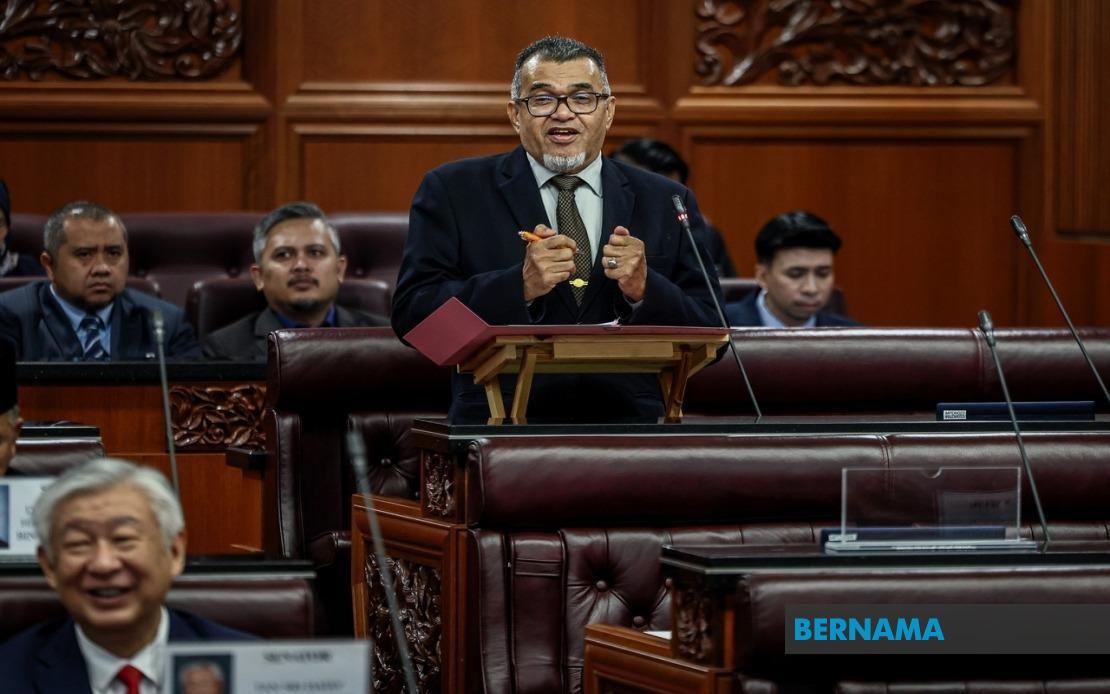
The Malaysian government is moving to impose substantially harsher penalties on those convicted of stealing cables and trespassing on national railway facilities, signalling a hardened stance against crime that has inflicted tens of millions of ringgit in losses across the country's transport infrastructure. Deputy Transport Minister Datuk Hasbi Habibollah unveiled the plan during a Dewan Negara session, indicating that proposed amendments to the rail transport law would increase maximum fines to RM100,000 for each offence—a dramatic escalation from today's RM1,000 cap.
The legislative overhaul is expected to be introduced during the next Parliament session, likely within the remainder of this year, marking one of the most aggressive regulatory responses to organised cable theft in recent years. Hasbi's comments came in response to a query from Senator Datuk Dr Mohd Hatta Md Ramli concerning the government's strategy to mitigate service interruptions and safeguard the integrity of public transport systems compromised by criminal activity targeting essential infrastructure.
The urgency of the amendment reflects the severity of the problem now confronting Malaysia's rail operators. Current penalty structures have proven wholly inadequate when measured against the cascading damage and operational disruptions imposed on rail companies responsible for maintaining services. The financial and operational toll far exceeds what the existing RM1,000 fine represents, creating a justice and deterrence gap that legislators have finally chosen to address.
The scale of theft is staggering. Across three major rail networks and projects, cumulative losses have reached RM50 million, representing not merely a financial burden but a systemic threat to the country's transport reliability. The East Coast Rail Link project, still in its construction phase and not yet operational for passenger use, has suffered 71 cable theft incidents totalling RM4.06 million in losses. Thirteen additional cases involving theft and damage to equipment and related materials cost a further RM0.69 million, bringing losses on the ECRL alone to RM4.75 million.
Although the ECRL has not yet disrupted passenger services due to its pre-operational status, these thefts pose a direct threat to project timelines and eventual commissioning. The installation, testing, and operational preparation phases all hang in the balance as contractors battle both criminal activity and the resulting delays. For Malaysia's ambitious rail infrastructure goals, such interference represents more than inconvenience—it threatens the credibility and economic viability of major transport development initiatives.
Beyond legislative reform, the government is implementing multi-layered security improvements to harden targets and catch offenders. Authorities are installing 1,146 closed-circuit television cameras along railway lines stretching from Johor northwards, creating a comprehensive surveillance network designed to deter theft and provide evidence for prosecution. Keretapi Tanah Melayu Berhad has additionally procured 20 scrambler motorcycles for Auxiliary Police units, enabling more agile and frequent 24-hour patrols throughout vulnerable sections of track.
Physical security measures complement technological surveillance. High-security manholes are being sealed to prevent unauthorised access to cable infrastructure, while specially trained sniffer dogs—K9 units—are deployed to detect criminal presence and activity in remote sections. This combination of human presence, animal detection, fixed surveillance, and physical barriers creates an environment increasingly hostile to theft operations.
The proposed penalty increase to RM100,000 enters a legal and deterrent landscape where Malaysian courts and legislators are increasingly recognising that minor fines fail to discourage organised crime syndicates. Cable theft typically occurs in coordinated operations involving multiple participants, planning, and premeditation. A RM1,000 penalty distributed among gang members represents an insignificant cost of doing business. RM100,000 per offence, conversely, inflicts genuine financial consequences capable of influencing behaviour and justifying harsher custodial sentences.
For Malaysian readers and businesses reliant on rail services, these developments signal government acknowledgment that public transport security demands urgent and substantial investment. Commuters in Klang Valley and other areas dependent on train networks understand firsthand how cable theft translates into service cancellations, delays, and erosion of confidence in public transport alternatives. The government's response, though overdue, represents meaningful recognition that critical infrastructure theft cannot be treated as minor criminal matter.
The timing of these proposals also reflects broader regional and global concerns about infrastructure sabotage and theft. As Southeast Asian nations modernise rail systems and undertake massive transport projects, criminal networks have identified cables as lucrative targets—easily accessed in many cases and readily sold for scrap metal value. Malaysia's approach, if successfully implemented, could establish a regional benchmark for infrastructure protection and deterrence.
Legislators and transport officials clearly hope that the combination of heightened penalties, enhanced surveillance, increased patrols, and physical security improvements will create sufficient friction to suppress organised theft operations. Success requires not only legislative passage but consistent enforcement, coordination across multiple agencies, and continued resource allocation to detection and prosecution.
The amendment process will now enter Parliament, where cross-party support appears likely given the consensus around protecting critical national infrastructure. Once enacted, the new penalties will send an unmistakable message that Malaysia treats cable theft and railway facility trespassing as serious crimes warranting substantial punishment. Whether this proves sufficient to stem losses remains to be seen, but the government has finally calibrated its legal and operational response to match the genuine magnitude of the threat.

