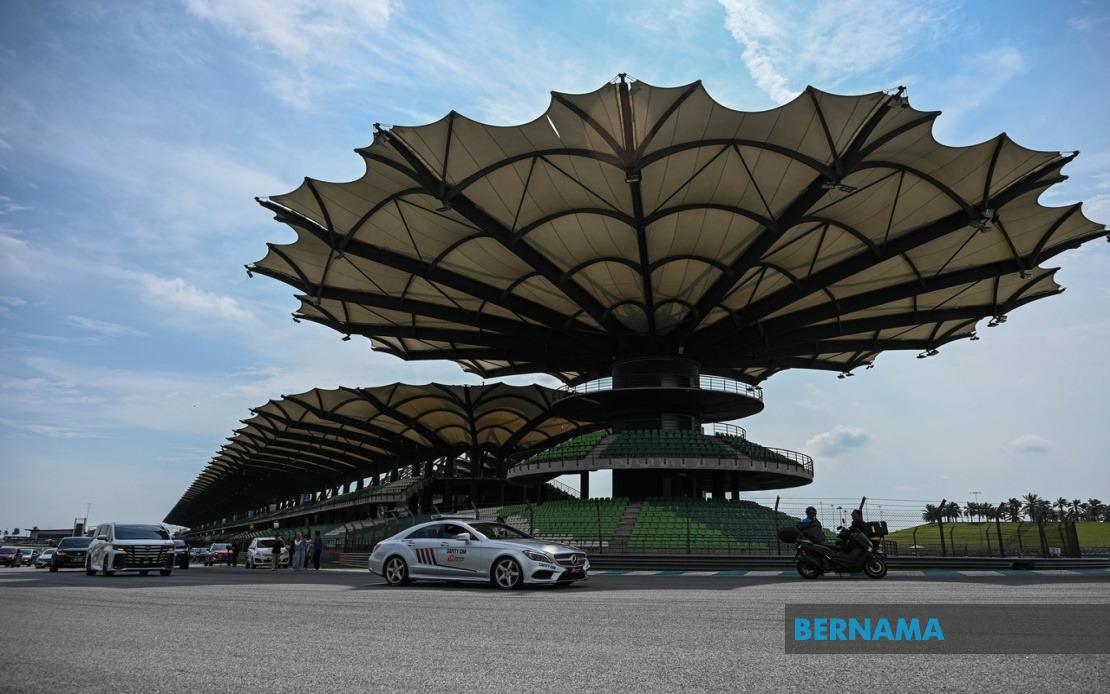
Malaysia has secured the rights to host the Formula 1 Gulf Air Bahrain Grand Prix in a landmark arrangement that underscores the deepening partnership between Kuala Lumpur and Manama. The race will take place at the Sepang International Circuit (SIC) from October 2 to 4, 2026, representing a pivotal moment in the championship's history as the Bahrain Grand Prix ventures outside the Kingdom for the first time since its debut in 2004. The decision to relocate the event while maintaining its official Bahrain designation signals both the flexibility of modern Formula 1 governance and the strength of bilateral cooperation between the two countries.
The arrangement emerges from elevated diplomatic channels connecting Malaysia and Bahrain at the highest levels of government. Bahrain's Ambassador to Malaysia, Dr Waleed Khalifa Al Manea, emphasized that the collaboration reflects the robust relationship between His Majesty Sultan Ibrahim, King of Malaysia, and His Majesty King Hamad bin Isa Al Khalifa of Bahrain. The connections between their respective governments were further reinforced during Sultan Ibrahim's state visit to Bahrain in 2025, creating the foundation for this unprecedented motorsport cooperation. Beyond the royal sphere, Prime Minister Datuk Seri Anwar Ibrahim maintains close working relations with His Royal Highness Prince Salman bin Hamad Al Khalifa, Bahrain's Crown Prince and Prime Minister, facilitating the practical coordination necessary to bring such a complex event to fruition.
The ambassador characterized this arrangement as entirely unique within the context of Formula 1, merging Bahrain's established credibility as a motorsport nation with Malaysia's proven capability in executing world-class sporting events. Since Bahrain first hosted the Grand Prix in 2004, the Gulf state has developed considerable expertise in managing high-profile racing activities and international media operations. Malaysia, conversely, brings two decades of championship-level experience. SIC operated as the permanent home of the Malaysian Grand Prix from 1999 until 2017, during which it became recognized throughout Asia as one of the circuit's most challenging and technically demanding venues. The facility's infrastructure, hospitality facilities, and logistical networks remain among the finest in the region, positioning it well to execute an event of this magnitude.
The return of Formula 1 to Sepang carries particular resonance for Malaysian motorsport enthusiasts and the broader sporting community. The venue last hosted a Grand Prix in 2017, when Red Bull Racing driver Max Verstappen secured victory in what would be the circuit's final Malaysian Grand Prix. The seven-year absence has left a void in Malaysia's motorsport calendar and amongst fans who fondly recall the technical challenges presented by SIC's demanding layout and its unpredictable weather conditions. The Bahrain Grand Prix's arrival represents a significant reinvigoration of Malaysia's position within global Formula 1, restoring the country's profile as a destination capable of hosting championship-level events and attracting international sporting attention.
An intriguing architectural connection binds the two venues together, adding symbolic coherence to their shared stewardship of the Bahrain Grand Prix. Both SIC and the Bahrain International Circuit were designed by Hermann Tilke, the renowned German circuit architect whose signature approach has shaped numerous Formula 1 venues globally. This shared design lineage creates subtle thematic continuity, suggesting that despite the geographical separation, both circuits embody similar engineering principles and design philosophies. The Tilke connection reinforces the notion that the race maintains essential continuity with its traditional home, even as it physically relocates thousands of kilometers eastward.
Beyond the sporting dimensions, the arrangement promises substantial economic and diplomatic spillover benefits for Malaysia. Ambassador Al Manea projected that the event would generate opportunities extending well beyond motorsport into sectors including tourism, aviation, transport, hospitality, and media. The influx of international visitors, teams, broadcasters, and media personnel will stimulate demand across Malaysia's service industries and tourism infrastructure. The announcement comes alongside plans to establish direct Gulf Air flights between Bahrain and Kuala Lumpur ahead of the October race, enhancing connectivity and facilitating seamless travel for the anticipated international visitor base.
The infrastructure investments required to prepare SIC for contemporary Formula 1 standards will likely stimulate modernization and upgrade projects at the circuit and surrounding facilities. Track maintenance, pit infrastructure, hospitality suites, and technological systems may require enhancement to align with current championship specifications. These improvements will position SIC for future international events beyond the Bahrain Grand Prix, potentially extending its appeal to other global sporting organizations and broadcasters seeking premium venues in Southeast Asia. The economic stimulus during the construction and event preparation phases will benefit local contractors, suppliers, and service providers throughout the Klang Valley region.
The announcement has already generated enthusiasm within the international Formula 1 community. Multiple teams and drivers have publicly welcomed the news, sharing commemorative posts and archival footage from their previous Sepang campaigns across social media platforms. This organic enthusiasm from within the sport's ecosystem suggests genuine appreciation for the venue's technical characteristics and Malaysia's reputation as a professional host nation. The collective memory of memorable races at Sepang, dramatic weather incidents, and memorable performances appears to have created nostalgia within the global racing community, positioning the October race as a compelling addition to the revised championship calendar.
The 2026 championship calendar required reorganization due to earlier disruptions, creating the opportunity for this unconventional arrangement. The Bahrain Grand Prix's relocation demonstrates how major sporting organizations can adapt governance structures to accommodate diplomatic cooperation and emerging opportunities. The precedent potentially opens pathways for future races to be hosted in novel locations while retaining their original names and commercial identities, though the specific circumstances here—rooted in genuine bilateral partnership rather than pure commercial expedience—appear singular.
For Malaysia, this arrangement represents more than merely recovering a lost Grand Prix. It represents validation of the country's continued relevance within global motorsport and its capacity to execute events of international significance. The combination of strengthened Malaysia-Bahrain relations, infrastructure expertise, and regional connectivity positions Malaysia as an increasingly attractive destination for major sporting events. As Southeast Asia continues rising in global economic and geopolitical significance, successful execution of the Bahrain Grand Prix in October 2026 could establish precedent for attracting additional world-class sporting events to Malaysia, enhancing the nation's international profile and economic vitality.

