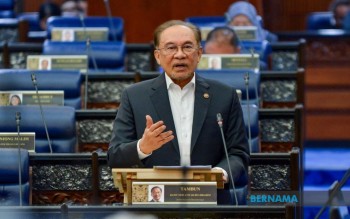
The Malaysian government is launching a comprehensive review into whether the country should establish strategic petroleum reserves, according to Prime Minister Datuk Seri Anwar Ibrahim, who announced the decision following a National Energy Council meeting on July 15. The initiative reflects growing concerns about long-term energy security as geopolitical tensions and global supply disruptions threaten to destabilise international energy markets and jeopardise the stable fuel supplies upon which Malaysia's economy depends.
The decision, reached at the National Energy Council Meeting No. 1 2026 chaired by Anwar, positions petroleum stockpiling as one component of a broader governmental push to insulate the nation from external energy shocks. Strategic reserves serve as a critical buffer, allowing countries to manage price volatility, respond to supply emergencies, and maintain essential functions during periods of international crisis. For Malaysia, a nation heavily reliant on energy imports and vulnerable to supply chain disruptions, such reserves could provide valuable breathing room during global crises similar to those experienced in recent years.
This petroleum reserve study arrives at a pivotal moment in Malaysia's energy transformation. The government's National Energy Transition Roadmap (NETR) sets an ambitious course toward cleaner energy systems while maintaining grid stability and industrial competitiveness. As of December of last year, renewable energy installations had reached 31 percent of the country's total capacity, marking significant progress in reducing reliance on coal-fired generation. However, the transition to renewables, while environmentally imperative, creates new vulnerabilities around energy storage and supply consistency that traditional hydrocarbon reserves have historically provided.
The examination of reserve requirements must balance multiple objectives simultaneously. Malaysia must continue advancing its renewable energy transition to meet climate commitments and reduce carbon emissions, whilst simultaneously maintaining energy security during what officials perceive as an increasingly unstable geopolitical environment. The interplay between these goals—transitioning away from fossil fuels whilst simultaneously building petroleum reserves—underscores the complex realities facing governments managing decarbonisation alongside pragmatic security concerns.
Parallel developments in Malaysia's energy sector indicate a diversified approach to security and sustainability. The Corporate Renewable Energy Supply Scheme (CRESS), now equipped with Battery Energy Storage System (BESS) technology, demonstrates commitment to enabling private sector participation in renewable generation whilst addressing intermittency challenges. These storage systems become increasingly important as renewable penetration rises, as they buffer against the variability inherent in wind and solar generation. This technological progression supports the government's ability to maintain stable electricity supplies whilst expanding clean energy capacity.
Transportation energy represents another critical frontier for Malaysia's resilience strategy. The B15 biodiesel initiative, which blends biofuel with conventional diesel, is gradually shifting the transport sector toward sustainable fuels whilst utilising existing infrastructure. Petronas's planned biofuel hub development in Pengerang, Johor, signals substantial private sector investment in domestic biofuel production capacity, potentially reducing Malaysia's vulnerability to global petroleum price shocks and supply interruptions affecting conventional fuel availability. This hub could position Malaysia as a regional supplier of sustainable fuels, adding economic value beyond simple energy security.
Public transport electrification initiatives, including 250 electric buses now operating and 800 kilometres of rail network coverage, represent long-term shifts in how Malaysians consume energy. These projects reduce the transport sector's dependence on imported petroleum while simultaneously improving urban air quality and reducing greenhouse gas emissions. The Sarawak hydrogen hub for the Autonomous Rapid Transit (ART) system, expected to complete Phase 1 by year's end, explores emerging green hydrogen technologies that could eventually power public transit systems with zero emissions, though technological maturity and cost competitiveness remain ongoing challenges.
The geopolitical context animating this reserve discussion has shifted markedly in recent years. Supply chain vulnerabilities exposed during pandemic disruptions, ongoing tensions affecting Middle Eastern oil production, and broader strategic competition between major powers have created unprecedented energy supply uncertainties. For Southeast Asian nations including Malaysia, these developments pose acute challenges, as the region remains heavily dependent on reliable energy imports and vulnerable to disruptions originating thousands of kilometres away. A strategic petroleum reserve provides a modest but meaningful hedge against these external risks.
Implementing a national petroleum reserve system requires careful calibration of storage capacity, maintenance costs, and rotational drawdown procedures to ensure product quality and operational readiness. Malaysia must determine appropriate reserve levels relative to consumption patterns and economic disruption scenarios whilst weighing expenditure against competing infrastructure priorities. The government's decision to study rather than immediately implement suggests a methodical approach, likely involving cost-benefit analysis, international benchmarking against comparable countries' reserve systems, and assessment of financing mechanisms.
The petroleum reserve initiative must ultimately integrate with Malaysia's broader energy strategy rather than contradicting it. As renewable energy capacity expands and electrification accelerates, petroleum demand will gradually decline, potentially affecting reserve relevance. However, residual petroleum demand from aviation, shipping, and industrial processes will persist for decades, making transitional reserves valuable during the medium-term window when oil remains essential but volatility remains acute. Strategic reserves therefore represent a pragmatic interim tool bridging the gap between present energy systems and future renewable-dominant configurations.
Successful execution of this energy security agenda requires coordination across multiple agencies, sustained political commitment through electoral cycles, and substantial capital investment. The government's demonstration of comprehensive energy policy through simultaneous advancement of renewable capacity, storage infrastructure, sustainable fuels, and now reserve assessment suggests a sophisticated understanding of energy security's multifaceted nature. Malaysia's energy future depends not on any single strategy but on integrated approaches addressing generation, transmission, storage, demand management, and strategic reserves working harmoniously toward simultaneous resilience and sustainability objectives.

