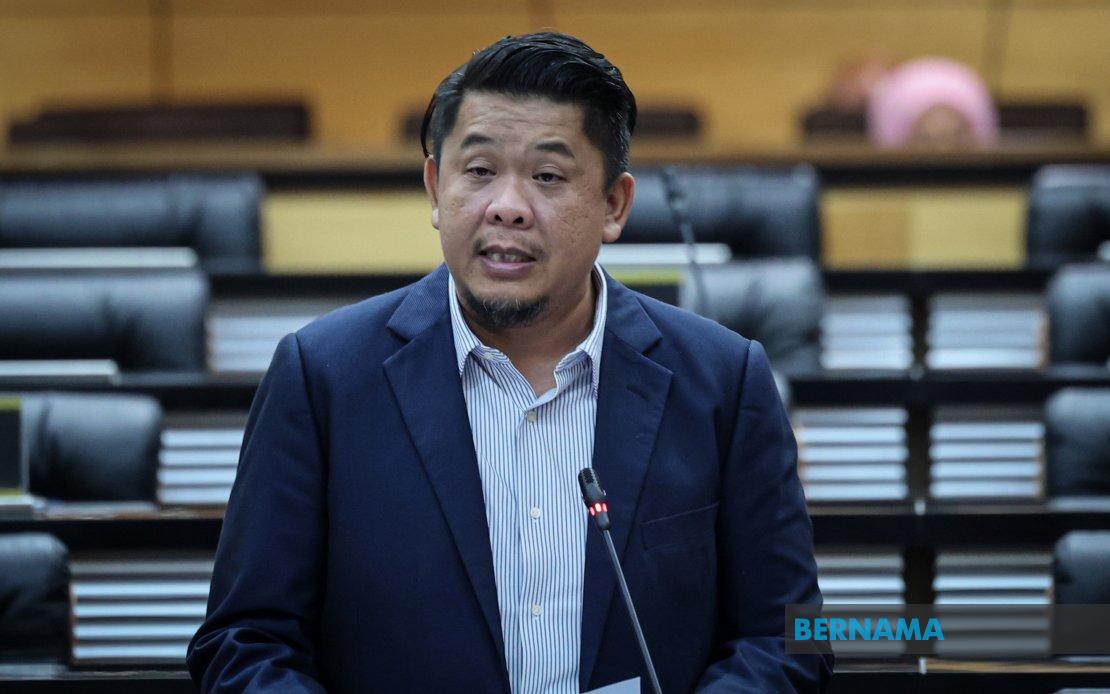
Malaysia has officially entered the race for a non-permanent seat on the United Nations Security Council, submitting its candidacy for the 2036–2037 term. The move signals the country's intention to reclaim a voice in global peacekeeping and security deliberations, a role it has not held since its previous tenure. Deputy Foreign Minister Datuk Lukanisman Awang Sauni announced the submission in the Dewan Rakyat, framing Malaysia's bid as part of a broader commitment to reforming the world body's oldest and most powerful institution.
At the heart of Malaysia's candidacy lies an ambitious agenda centred on dismantling what the government views as an antiquated and unjust system of international governance. The veto power granted to the five permanent members—China, France, Russia, the United Kingdom, and the United States—has long been a flashpoint for criticism from the Global South. Malaysia's position is unequivocal: the veto mechanism is fundamentally illegitimate and should be eliminated entirely. This stance reflects growing frustration among developing nations that the post-World War II architecture continues to entrench power imbalances rather than adapt to contemporary geopolitical realities.
While abolishing the veto entirely may remain an aspirational goal, Malaysia is also proposing a pragmatic interim measure. The Deputy Foreign Minister articulated a fallback position that would restrict veto use in cases of grave international law violations, particularly mass atrocities such as war crimes, genocide, and crimes against humanity. This formulation carries unmistakable resonance with ongoing conflicts and humanitarian crises, notably Gaza, where Malaysia and other nations in the Global South have watched in frustration as vetoes have paralysed Security Council responses. By linking its candidacy to this platform, Malaysia positions itself as a champion of accountability and a voice for those currently underrepresented in permanent decision-making structures.
The timing of Malaysia's announcement reflects the country's strategic calculus regarding its role in global affairs. With the Security Council seat coming up in 2036–2037, Malaysia has more than a decade to build diplomatic consensus and strengthen its candidacy. However, the submission signals Malaysia's intention to shape the conversation around UN reform well before formal campaigning intensifies. Foreign Minister Datuk Seri Mohamad Hasan will use Malaysia's National Statement at the 81st UN General Assembly Debate in New York this September to drive home these themes, turning what might otherwise be a perfunctory diplomatic exercise into a platform for challenging the status quo.
Malaysia's push for Security Council reform sits within a broader movement among non-aligned nations and the African Union, which has long sought permanent representation and a weakening of the veto system. The country's candidacy therefore carries implications beyond its own foreign policy ambitions. A successful bid by Malaysia would place another voice from Southeast Asia and the Muslim-majority world in a position to influence major peacekeeping and security decisions. For Malaysia, this represents an opportunity to elevate its diplomatic profile and assert itself as a significant player in shaping global governance, particularly on issues affecting developing economies and the wider Global South.
The emphasis on Security Council reform as a cornerstone of Malaysia's candidacy also reflects domestic political messaging. By framing the bid through the lens of justice, equity, and multilateralism, the government appeals to constituents and parliamentarians who view the current international system as skewed against smaller nations. During parliamentary questioning, Datuk Seri Sh Mohmed Puzi Sh Ali of BN-Pekan sought clarification on Malaysia's stance regarding the disproportionate power wielded by permanent members, indicating that the issue resonates across the political establishment and the public sphere.
The practical challenges of advancing veto reform should not be underestimated. The five permanent members, each wielding veto authority, have little incentive to surrender their privileges. China and Russia, in particular, have weaponised the veto in recent years to protect allies and advance strategic interests, making any serious reform attempt an uphill climb. Malaysia's realistic likelihood of achieving veto abolition remains low, yet by championing the cause from a position within the Security Council, the country could amplify pressure on permanent members and shape the discourse around legitimacy and accountability.
For Southeast Asia more broadly, Malaysia's candidacy marks a reassertion of the region's stake in global governance questions. Indonesia held a Security Council seat in 2007–2008; Vietnam will serve during 2020–2021. Malaysia's bid follows logically from this pattern of regional representation, though the emphasis on veto reform gives it a more ideological character than routine rotational diplomacy. The region's growing economic and geopolitical importance warrants greater input into decisions affecting international peace and security, and Malaysia's platform articulates a vision for how that should be reflected in institutional structures.
The candidacy also underscores Malaysia's commitment to embedding multilateralism and UN-centred approaches within its foreign policy framework. At a time when international institutions face pressure from rising unilateralism and great-power competition, Malaysia's decision to champion Security Council reform and global governance questions positions the country alongside those advocating for a rules-based international order that extends beyond the interests of major powers. This messaging will be central to Foreign Minister Mohamad Hasan's address in New York and subsequent diplomatic outreach efforts.
Looking ahead, Malaysia's campaign for the 2036–2037 seat will likely involve sustained engagement with UN member states to build coalitions supporting not only its candidacy but also the broader reform agenda it represents. Success on both fronts would mark a significant diplomatic achievement and provide Malaysia with a platform to influence conversations on some of the world's most pressing security challenges, from climate-related conflicts to arms control, humanitarian intervention, and the rights of smaller nations in a multipolar world.

