Malaysia is moving to close a significant protection gap by introducing a new legislative framework that provides financial and logistical support to witnesses as they transition out of the government's protection programme. The Witness Protection (Amendment) Bill 2026, which cleared the Dewan Negara on July 22, establishes a one-off assistance mechanism designed to ease the reintegration of individuals who have testified in serious criminal, corruption and high-profile cases. This represents a substantial shift in how the country supports those who take considerable personal risks to testify against accused wrongdoers.
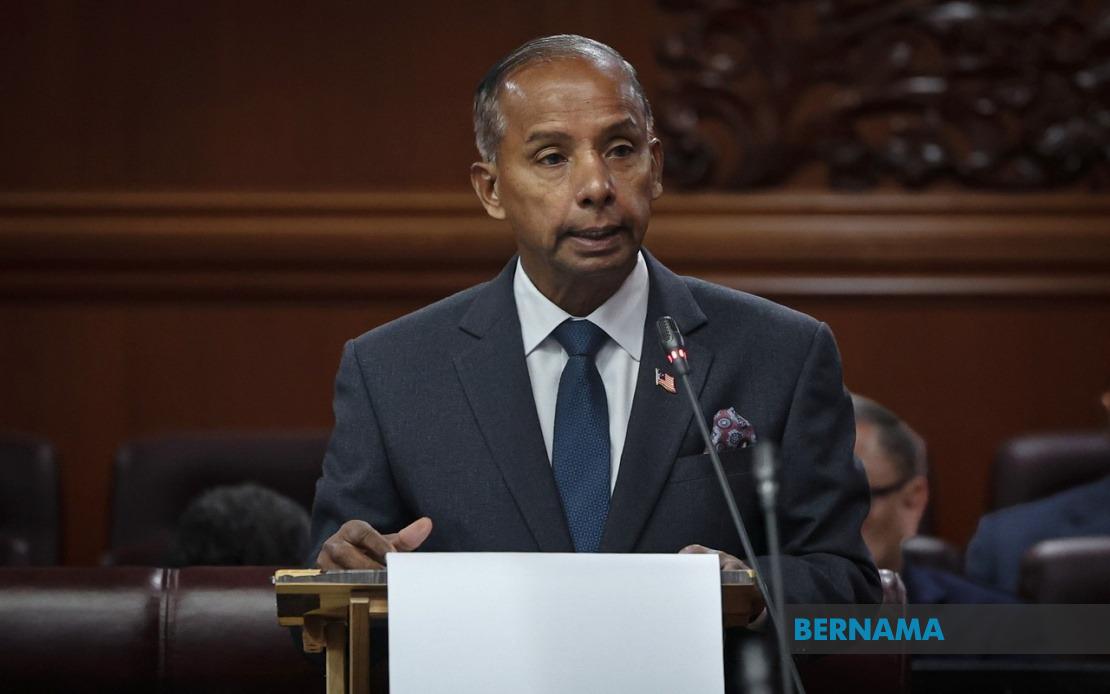
Deputy Minister in the Prime Minister's Department (Law and Institutional Reform) M. Kulasegaran explained during the bill's second reading that the proposed assistance covers a range of practical needs that witnesses face when leaving protected accommodation. The package encompasses housing support, transportation costs associated with moving from the protection shelter to a new residence, and resources to facilitate school transfers for dependent children. These provisions recognise that individuals exiting the programme often face financial constraints and logistical challenges that could undermine their safety or ability to rebuild their lives.
The legislative gap being addressed here is substantial. Under the existing Witness Protection Act 2009, the government provides comprehensive protection and support only while participants remain active in the programme. Once the Attorney General terminates protection—typically because legal proceedings have concluded or the perceived threat has diminished—all formal assistance ceases. This abrupt withdrawal has left former witnesses vulnerable to economic hardship and forced to navigate major life transitions without institutional backing at precisely the moment when they remain exposed to potential retaliation or are reassimilating into society after prolonged isolation.
Kulasegaran emphasised that the new provision is explicitly designed as a transitional measure rather than ongoing welfare support. The government recognises that participants require targeted help during the critical phase immediately following programme exit, when they are most vulnerable and face pressing practical demands. By defining the assistance as one-off rather than recurring, lawmakers have attempted to balance the need for meaningful support with fiscal sustainability and the principle that long-term economic self-sufficiency should ultimately rest with the individual witness.
The amendment bill encompasses six clauses in total and represents a comprehensive modernisation of Malaysia's witness protection framework. Beyond the exit assistance provision, the legislation empowers the director-general of the Protection Division within the Prime Minister's Department to deliver necessary and reasonable protection measures tailored to individual circumstances. This enhanced discretion acknowledges that witness safety requirements vary considerably depending on the nature of their testimony, the profile of accused persons, and particular threat assessments.
The broader context for this reform reflects Malaysia's stated commitment to strengthening rule of law and anti-corruption enforcement. Witnesses willing to testify in complex criminal and corruption cases—which often involve powerful individuals or organised criminal networks—perform an essential civic function but face genuine personal danger. Countries with mature witness protection programmes recognise that inadequate safeguards and support discourage cooperation with law enforcement and prosecution authorities, ultimately impeding justice. By addressing protection gaps, Malaysia aims to encourage credible witness participation in cases where testimony proves decisive.
The amendment passed the Dewan Rakyat on July 14 with apparent consensus, suggesting broad legislative recognition of the need for reform. The relatively rapid passage through both chambers indicates that lawmakers across political lines view witness protection enhancement as important for institutional credibility and public confidence in the justice system. This consensus may reflect growing awareness that high-profile criminal and corruption cases depend substantially on witness testimony, particularly when documentary or electronic evidence alone proves insufficient.
For Southeast Asian observers, Malaysia's legislative development offers instructive lessons. Witness protection and support represents a policy area where many regional jurisdictions have invested comparatively limited resources despite significant prosecutorial ambitions. Malaysia's willingness to examine and reform its statutory framework demonstrates recognition that protecting those who testify serves not only humanitarian purposes but also tangible prosecutorial and institutional interests. As regional governments intensify anti-corruption and organised crime enforcement, similar protection frameworks will become increasingly important across Southeast Asia.
The practical implementation of the amended act will merit careful monitoring. Key questions include how the Protection Division will determine eligibility for assistance, what funding levels the government will allocate, and how the scheme will balance individual circumstances with standardised procedures. Additionally, the effectiveness of one-off assistance in genuinely enabling successful reintegration will depend partly on whether amounts allocated prove sufficient for actual housing and relocation costs in Malaysia's diverse urban and rural markets.
The amendment also reflects evolving international standards regarding witness protection. Comparative jurisdictions in Commonwealth nations and beyond have increasingly recognised that comprehensive witness support extends beyond physical security to encompass economic and social integration. Malaysia's framework, while still primarily focused on direct transitional costs rather than longer-term income support, moves in this direction and may establish a foundation for future refinements as practical experience accumulates.
Stakeholder perspectives from civil society, legal practitioners, and victims' rights advocates will likely shape how the amended act functions in practice. Those working closely with witnesses can provide valuable feedback on whether the assistance provisions prove adequate and whether additional protective measures require attention. Such engagement, alongside rigorous monitoring of programme outcomes, will be essential for determining whether the 2026 amendment successfully addresses the protection gaps that the current act leaves unresolved.

