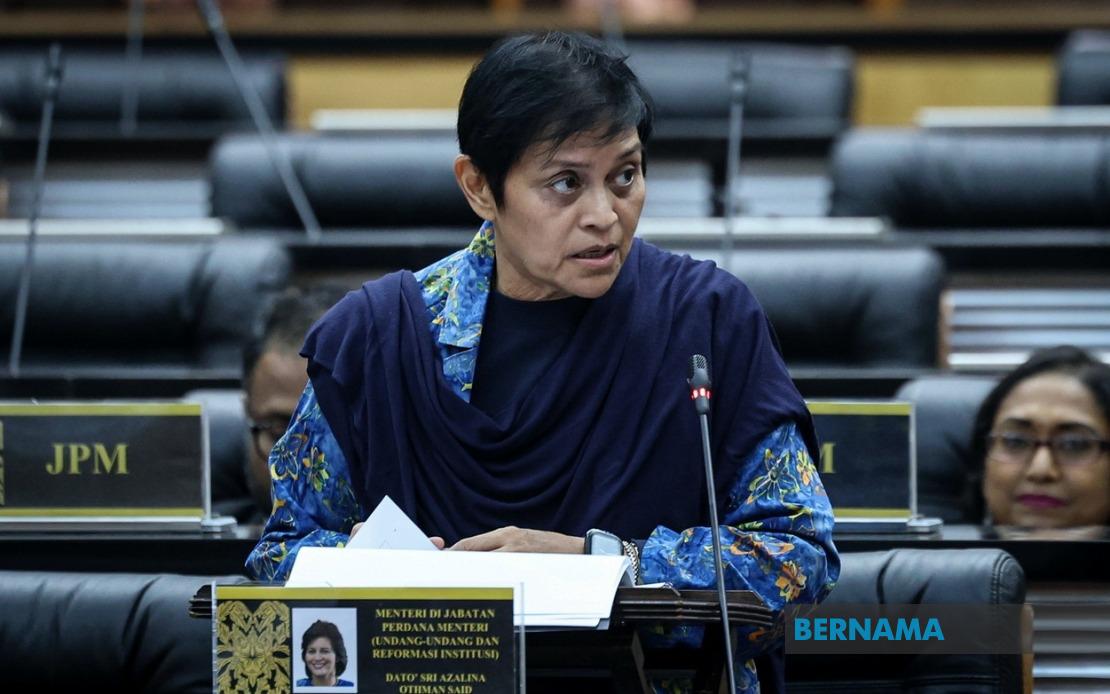
The Witness Protection (Amendment) Bill 2026 advanced to its first reading in parliament on July 13, marking a significant milestone in Malaysia's efforts to strengthen protections for those willing to testify in legal proceedings. Datuk Seri Azalina Othman Said, Minister in the Prime Minister's Department responsible for Law and Institutional Reform, introduced the legislation with the intention to move it to second reading within the current parliamentary sitting, signalling the government's priority in shepherding the measure through the legislative process.
The proposed amendments represent a carefully considered expansion of the existing Witness Protection Act 2009, moving beyond basic security arrangements to encompass mental health support and expanded eligibility criteria. This evolution reflects international best practice and acknowledges that effective witness protection extends beyond physical safety to address the psychological trauma that accompanies testimony in sensitive cases, particularly those involving organised crime, corruption, or violence.
One of the most significant changes concerns minors and individuals unable to make independent decisions. The Bill modifies the current framework to explicitly permit parents, guardians, or legal representatives to initiate protective programme participation on behalf of witnesses who lack legal capacity or are under eighteen years old. This provision recognises that vulnerable populations—children exploited in trafficking, abuse survivors, or persons with cognitive impairments—often cannot navigate bureaucratic processes independently. By removing this barrier, Malaysia ensures that age or incapacity does not prevent access to critical safeguards.
The introduction of formal written agreements between programme participants and the government represents another substantive development. The proposed Section 10A mandates that participants, or those acting in their interest, must execute written contracts before designated officers outlining the precise terms of protection, the assistance available, and the participant's reciprocal obligations. This formalisation brings clarity and legal enforceability to arrangements that previously may have operated on an ad hoc basis, reducing ambiguity and providing recourse should either party breach the agreement.
Anticipating the practical challenges of legislative transition, the Bill includes protective measures for existing arrangements. Section 10B ensures that agreements concluded before the amendments take effect remain valid and enforceable, with both parties continuing to enjoy rights and benefits under the updated Act. This retroactive coverage prevents disruption to ongoing protective relationships and demonstrates legislative prudence by avoiding a "reset" that could jeopardise individuals already enrolled in the programme.
Perhaps most notably for vulnerable witnesses, the amendments explicitly incorporate psychological and mental health support into the protective framework. Clause 4 modifies Section 13(2) of the original Act to formally recognise counselling services and psychological assistance as integral components of the programme. This acknowledgement is crucial in Malaysian context, where discussing mental health remains socially stigmatised and where trauma from witnessing violence or crime is often unaddressed. Comprehensive psychological support can facilitate witness cooperation, reduce withdrawal, and promote longer-term recovery following the conclusion of prosecutions.
The timing of these amendments reflects evolving concerns about witness safety and cooperation in Malaysia's criminal justice system. High-profile cases involving corruption, gang violence, and transnational crime have underscored the vulnerability witnesses face and the reluctance of potential informants to come forward without robust protections. By strengthening the legislative framework, parliament signals commitment to encouraging civic participation in the justice system and reducing the risks borne by those willing to provide testimony.
For Southeast Asia more broadly, Malaysia's approach offers instructive precedent. Neighbouring jurisdictions with inadequate witness protection mechanisms struggle to prosecute organised crime and corruption, as potential witnesses remain terrified of retaliation. By establishing comprehensive, legally binding protections that extend to psychological wellbeing, Malaysia demonstrates that countries can create conditions where justice system cooperation becomes feasible for ordinary citizens.
Implementation of these amendments will require careful coordination between law enforcement, the judiciary, and mental health professionals. Designated officers responsible for executing agreements must be trained in trauma-informed practices and equipped to explain complex contractual terms to participants, many of whom may be experiencing acute stress. The recruitment and deployment of qualified counsellors within the witness protection infrastructure represents an administrative undertaking of considerable scope.
The amendment bill also addresses a demographic gap previously overlooked in Malaysia's protective scheme. Rural witnesses, ethnic minority communities, and those with limited formal education have historically faced obstacles in accessing witness protection, partly because of information asymmetries and language barriers. Formalised written agreements, if drafted with clarity and translated appropriately, can improve access across diverse populations and reduce inequality in justice system participation.
Financial implications, though not detailed in the tabled bill, warrant scrutiny during parliamentary debate and budget deliberations. Expanding psychological services, formalising administrative procedures, and ensuring trained designated officers are available nationwide will generate measurable costs. Whether current appropriations to the witness protection programme are sufficient remains an open question, and legislators should demand clarity regarding funding mechanisms and expected expenditure.
The passage of this amendment would place Malaysia among Commonwealth jurisdictions with comparatively progressive witness protection legislation. Canada, Australia, and the United Kingdom have long incorporated psychological support and formalised procedural safeguards. Malaysia's modernisation brings domestic law into alignment with international standards while responding to the specific vulnerabilities of witnesses in the Southeast Asian context, where transnational crime and corruption carry heightened dangers.
As the bill progresses through parliament, scrutiny should focus on implementation capacity, adequacy of funding, and practical mechanisms for delivering promised protections. The legislative framework is necessary but insufficient; genuine protection depends on institutional will, adequate resourcing, and sustained commitment to confidentiality and victim support over months or years of criminal proceedings.

