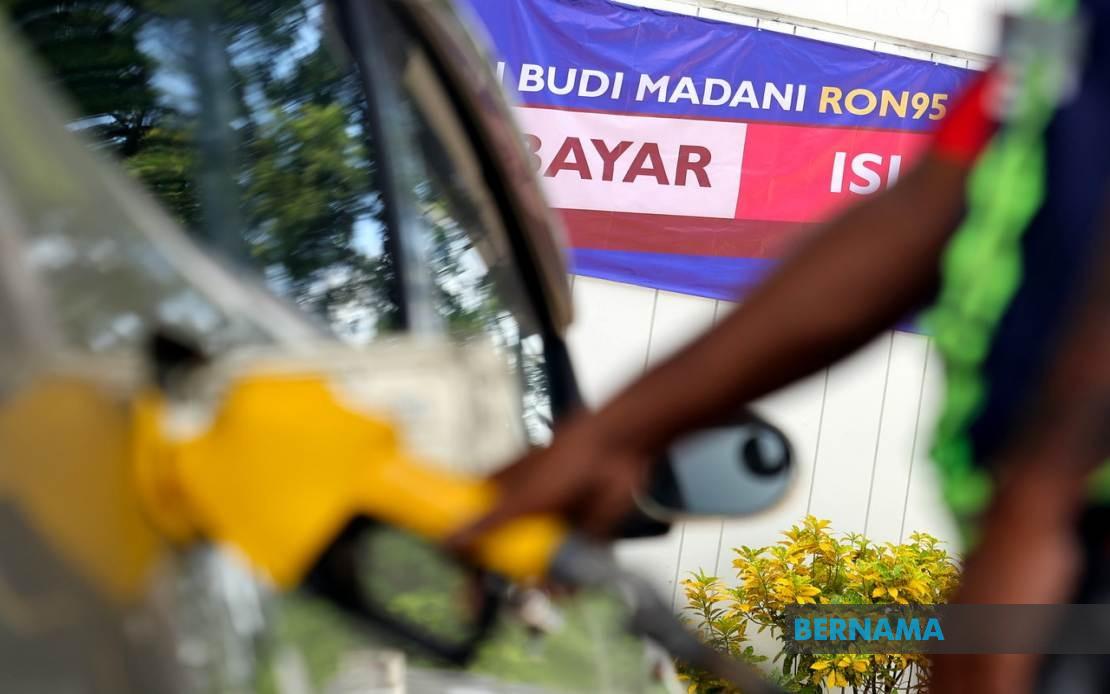
The Malaysian government has reversed course on fuel subsidy reductions, announcing a restoration of the BUDI95 programme's monthly quota to 300 litres during Prime Minister Datuk Seri Anwar Ibrahim's National Day address at the Putrajaya International Convention Centre. The decision marks a significant policy shift that directly improves accessibility to subsidised petrol for millions of motorists across the country, signalling the administration's commitment to managing cost-of-living pressures despite persistent global economic headwinds.
The announcement benefits an estimated 16 million users of subsidised RON95 fuel, a constituency that spans low and middle-income earners, rural commuters, and small-business operators dependent on reliable transport. For this demographic, the restoration of the 300-litre monthly allowance represents meaningful financial relief, as individual drivers had faced the prospect of a 33 per cent reduction in their quota allocation under previously announced plans. The stability of the RM1.99 per litre price point remains unchanged, maintaining consistency in the subsidy mechanism even as fuel quotas fluctuate.
In addition to petrol users, the government extended expanded support to diesel-powered light commercial vehicle owners, granting qualified operators of pick-up trucks and jeeps access to up to 400 litres of subsidised Budi Diesel monthly. This provision accommodates the needs of more than half a million eligible vehicle owners, many of whom depend on diesel engines for commercial operations in agriculture, transport, and small-scale business activities. The diesel allocation exceeds the petrol quota, reflecting governmental recognition that commercial users face higher fuel costs and greater operational pressures than private motorists.
The reversal came just months after the government's March 26 announcement of a planned reduction to 200 litres monthly, a cut that was scheduled to take effect on April 1, 2026. Officials at that time had framed the quota reduction as a necessary response to regional instability in West Asia, acknowledging how geopolitical tensions and related supply chain disruptions affect Malaysia's fuel procurement costs and subsidy budgets. The abbreviated timeline between the announcement and today's reversal suggests the government reassessed the political and economic feasibility of implementing the reduction, particularly given widespread public concern about affordability.
The BUDI MADANI RON95 programme represents Malaysia's targeted approach to fuel subsidies, designed to distribute government support efficiently while managing fiscal exposure. Unlike universal subsidies that benefit all consumers regardless of income, the BUDI system employs a capped allocation mechanism that allows the government to contain costs while ensuring core access to affordable fuel for essential users. The programme's architecture reflects lessons learned from previous subsidy regimes that generated unsustainable budget deficits and encouraged wasteful consumption patterns.
For Malaysian consumers, this development arrives at a moment of economic uncertainty. Inflation pressures, employment market challenges, and rising housing and utility costs have eroded household purchasing power substantially since 2023. The restoration of fuel quotas provides tangible relief that extends beyond the petrol pump—lower transport costs cascade through supply chains, affecting prices for food, goods, and services that depend on logistics. Small traders, delivery operators, and rural households particularly benefit from maintained fuel accessibility at subsidised rates.
The decision also carries political dimensions relevant to the broader policy landscape. The shift demonstrates the government's willingness to adjust direction when economic and social realities warrant recalibration, even when prior announcements suggested a different trajectory. This flexibility may build confidence among voters concerned about cost-of-living protections, though it also raises questions about the sustainability of subsidy mechanisms dependent on commodity prices and geopolitical stability. Maintaining these programmes requires consistent budget allocation and disciplined fiscal management, areas where Malaysia faces ongoing constraints.
Regionally, Malaysia's fuel subsidy policies influence neighbouring economies and create reference points for other governments managing similar pressures. The country's approach—balancing market mechanisms with targeted support—offers a middle path distinct from both fully-subsidised and fully-liberalised regimes. Other Southeast Asian nations facing comparable fuel and inflation challenges monitor Malaysian policy decisions, as they suggest viable approaches to political economy challenges common across the region.
Looking ahead, the sustainability of the 300-litre quota depends on maintaining price stability in global oil markets and managing government expenditure. Any significant spikes in crude oil prices could strain the RM1.99 subsidy price, creating pressure for future adjustments. The government will likely continue monitoring geopolitical developments, particularly in regions affecting crude supply and maritime fuel transport corridors that serve Malaysia's energy needs.
The restoration also highlights the importance of efficient quota design and monitoring. The monthly 300-litre allocation effectively provides approximately 10 litres daily per registered vehicle, a volume that accommodates average Malaysian commuting patterns while encouraging some conservation consciousness. Diesel drivers receiving 400 litres monthly gain proportionally greater support, acknowledging that commercial vehicles typically consume fuel at rates exceeding private cars.
Stakeholders including transport operators, rural communities, and small-business associations have welcomed the announcement, viewing it as recognition of their operational realities. The decision also satisfies concerns expressed by public transit operators and logistics companies dependent on manageable fuel costs to maintain service viability and competitiveness. For consumers, the restoration removes uncertainty about looming quota cuts, allowing household budgeting on the basis of continued 300-litre monthly access.
Moving forward, the government faces the longer-term challenge of balancing fiscal sustainability with social equity in fuel pricing. Whether the current quota structure can persist through inevitable future commodity price fluctuations remains uncertain. Policymakers will likely continue exploring complementary measures—improving vehicle efficiency standards, expanding public transport capacity, and refining subsidy targeting—to manage fuel costs comprehensively rather than relying solely on quota adjustments.

