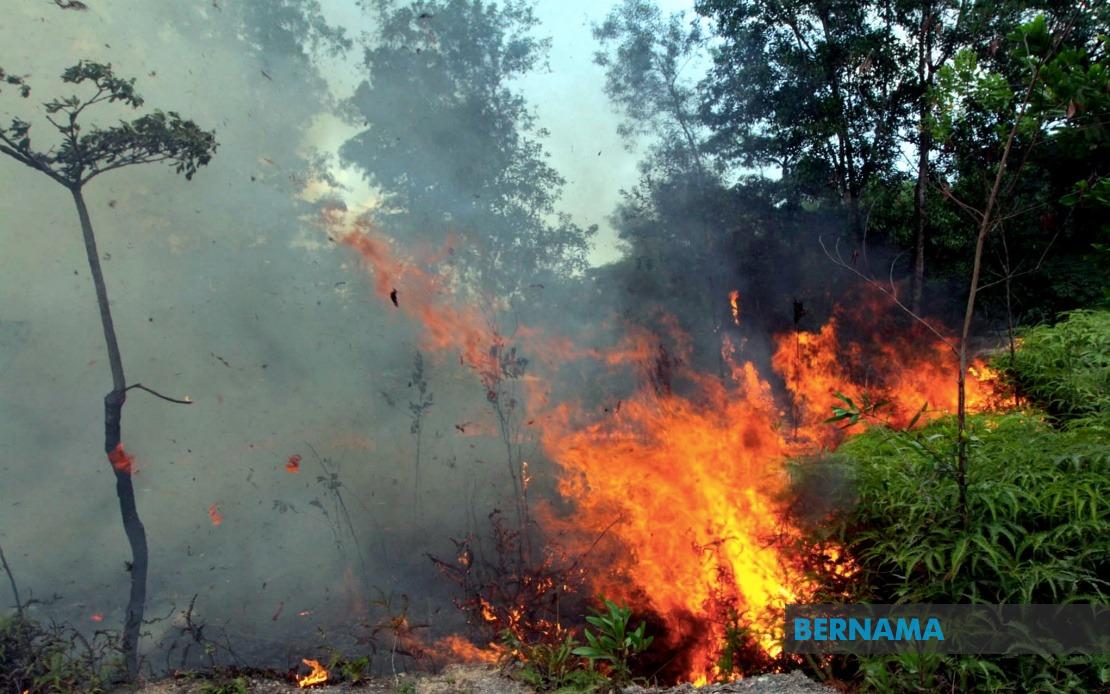
The Malaysian Fire and Rescue Department (JBPM) has sounded an alarm over a dramatic surge in open burning incidents, recording 18,432 cases involving forests, shrubland and waste materials between January and July this year. This represents a concerning escalation from the 9,941 incidents documented during the equivalent period in 2024, signalling a worsening trend that extends beyond recent years. The figure also exceeds the 16,294 cases logged during the first seven months of 2025, underscoring a trajectory that fire officials fear may intensify during the approaching high-risk season.
According to JBPM director-general Datuk Seri Nor Hisham Mohammad, the department has responded to this deteriorating situation by implementing a targeted monitoring strategy. The fire service has now identified and is actively tracking 183 locations nationwide that historical data—spanning the past five years—indicates are particularly susceptible to open burning incidents. This proactive approach reflects an acknowledgment that conventional response mechanisms alone are insufficient to manage the scale and frequency of fires erupting across Malaysia's diverse terrain and climate zones.
Of particular concern to fire authorities are 62 of these tracked locations classified as high-risk zones where conflagrations could engulf areas exceeding 25 hectares. Such large-scale fires present formidable operational challenges for emergency response teams, as the geographic expanse and rapid spread potential severely strain the department's capacity to deploy and coordinate firefighting resources effectively. Nor Hisham emphasised that these zones demand heightened surveillance and preparedness measures, acknowledging the logistical constraints inherent in combating fires of this magnitude across Malaysia's varied topography.
The geographic distribution of burning incidents reveals stark regional disparities that reflect both ecological and environmental factors. Sarawak has emerged as a significant hotspot, with large-scale fires currently ravaging areas including Sri Aman and Mukah, where extensive peatland and tropical vegetation provide abundant fuel for rapid fire propagation. Peninsular Malaysia has similarly documented numerous incidents, though these tend to manifest at smaller scales. Sabah presents a distinct challenge owing to its dense vegetation coverage and mountainous terrain, conditions that enable fires to spread with alarming velocity while complicating suppression efforts. Around Kota Kinabalu alone, seven major fire incidents were documented during 2024, with several of these locations now incorporated into the 62 high-risk zones receiving intensive departmental monitoring.
Examining the root causes behind the escalating open burning trend reveals a complex interplay of meteorological and human factors. Nor Hisham attributed the surge substantially to elevated temperatures in specific regions, which create ideal conditions for both the ignition and uncontrolled spread of fires. Hot weather episodes dry vegetation and reduce soil moisture, substantially lowering the threshold for fire initiation and enabling rapid expansion once combustion begins. This meteorological dimension adds urgency to fire management strategies, as climatic variables operate beyond the direct control of law enforcement and prevention campaigns targeting intentional burning practices.
Looking forward, fire authorities are preparing for additional climatic pressures anticipated to emerge from broader atmospheric phenomena. The JBPM is calibrating its operational readiness in anticipation of weather pattern disruptions expected to accompany the Super El Niño phenomenon, a large-scale climatic oscillation centred in the Pacific Ocean. Current meteorological projections anticipate that this phenomenon will strengthen during November, with repercussions extending into Malaysia's climate system by late January or early February of the following year. The timing of this projected impact coincides with Malaysia's traditional fire-risk season, potentially compounding existing vulnerabilities.
The Super El Niño phenomenon carries significant implications for Malaysian fire management. This climatic pattern typically correlates with reduced precipitation across Southeast Asia, extended dry seasons, and elevated temperatures—conditions that collectively amplify wildfire risk across the region. Malaysia's experience with previous El Niño cycles demonstrates that such episodes can trigger widespread conflagrations of unprecedented scale and duration. The JBPM's early warning and preparation strategy reflects lessons learned from past climatic crises and represents an attempt to position resources and personnel optimally before conditions deteriorate significantly.
For Malaysian policymakers and the broader public, the escalating open burning statistics carry implications extending beyond immediate fire suppression concerns. The doubling of incident frequency suggests that existing prevention frameworks may require recalibration or intensification. Education campaigns emphasizing the dangers and legal consequences of open burning, coupled with enhanced enforcement mechanisms and community engagement initiatives, may prove necessary to reverse current trajectories. Additionally, the identification of 62 critically vulnerable zones should inform land-use planning decisions and may necessitate enhanced building code requirements for structures located in proximity to high-risk areas.
The fire crisis also reflects broader environmental and resource management challenges confronting Malaysia. Open burning often stems from agricultural clearing practices, peat extraction activities, and waste disposal challenges in areas lacking adequate waste management infrastructure. Addressing the underlying drivers of intentional burning requires coordinated approaches spanning multiple agencies and sectors, from agricultural extension services to municipal waste management authorities. Without such comprehensive engagement, reactive firefighting responses—however well-resourced—will remain perpetually inadequate to the scale of the problem.
The JBPM's intensified monitoring regime and early preparation for anticipated climatic disruptions represent prudent crisis management, yet they underscore the reactive posture inherent in current approaches. Transitioning toward more sustainable outcomes will require sustained commitment to preventive strategies, investment in alternative land-clearing methodologies, and enforcement mechanisms that render open burning economically disadvantageous compared to regulated alternatives. As Malaysia confronts the converging pressures of rising open burning incidents and climatic volatility, the efficacy of inter-agency coordination and resource allocation will ultimately determine whether the nation can arrest this troubling trend before reaching crisis thresholds.

