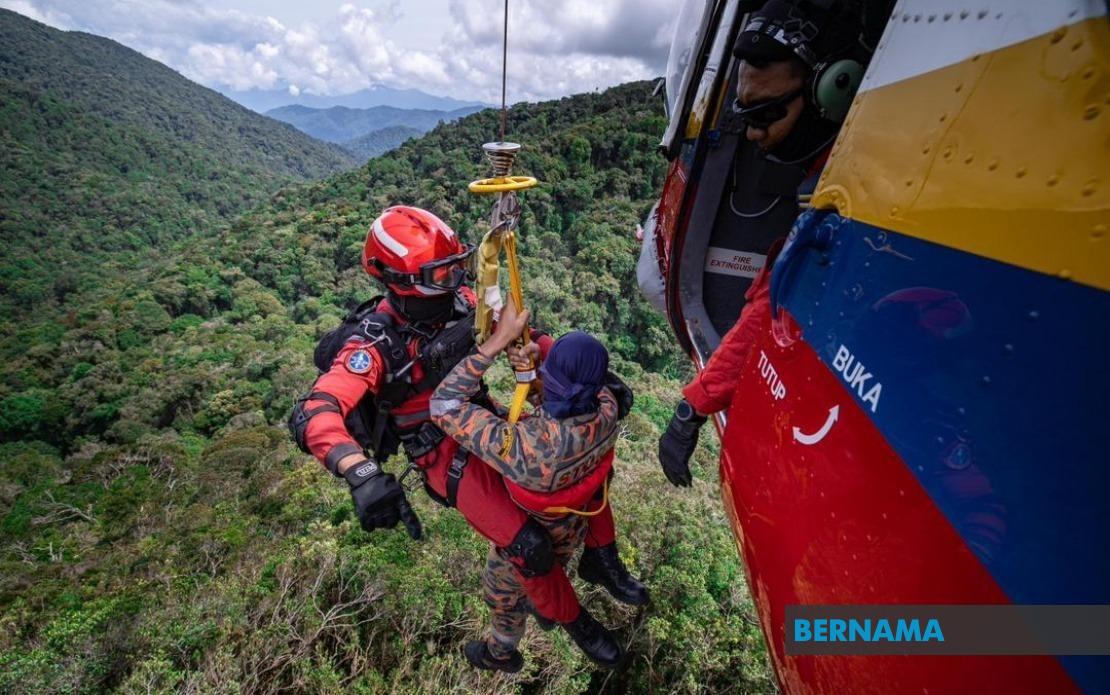
The rapidly growing popularity of hiking in Malaysia has come with a sobering toll. Since 2021, the country has documented 1,059 accidents across hiking activities, resulting in 63 deaths and 87 injuries, according to data from the Fire and Rescue Department of Malaysia presented to Parliament by Deputy Minister of Natural Resources and Environmental Sustainability Syed Ibrahim Syed Noh. These figures underline an urgent safety challenge as outdoor recreation continues to surge across Peninsular Malaysia's forests and mountain ranges.
The spike in hiking-related incidents coincides with a broader shift in recreational preferences among Malaysians, particularly post-pandemic, when more people turned to nature-based activities. Mountains and forest trails that were once visited by a dedicated few now see thousands of visitors monthly. However, this democratisation of mountain access has exposed significant gaps in safety infrastructure, trail maintenance, and emergency preparedness. The government's acknowledgment of the problem signals recognition that ad-hoc management approaches are no longer sufficient for handling the volume and complexity of modern recreational mountain use.
In response to these concerns, the Peninsular Malaysia Forestry Department has developed the Mountain Risk Assessment and Management Guideline, known as MoGRAM, in partnership with the United Nations Development Programme. This technical framework aims to establish systematic protocols for identifying hazards, assessing risks, and determining appropriate carrying capacities for individual trails. By moving from intuitive judgment to data-driven risk assessment, authorities can better allocate resources and set realistic visitor limits that balance access with safety.
A centrepiece of Malaysia's new safety approach is the mandatory deployment of certified Forestry Mountain Guides in high-risk hiking areas. The government has identified 189 such zones across Peninsular Malaysia where professional guides must accompany hiking activities. To date, 2,322 individuals from local and indigenous communities have completed certification through the Mountain Guide Practitioner skills development programme. This initiative serves multiple purposes: it creates employment in rural communities, leverages local knowledge of terrain and weather patterns, and ensures trained personnel are present to manage emergencies and enforce safety protocols.
Beyond personnel, Malaysia is investing in technological solutions to track and manage hiking activities more effectively. The Peninsular Malaysia Forestry Department, working with the Malaysian Space Agency, is developing an integrated hiking trail management system powered by geographic information systems and remote sensing technology. This system will create detailed digital maps of trails, monitor their conditions in real time, and provide comprehensive data to support search and rescue operations. Currently, trail registration occurs through fragmented manual and online systems managed by individual state forestry departments, creating coordination challenges during emergencies.
The proposed national digital hiking registration log system would mark a significant evolution in how Malaysia manages mountain access. Rather than relying on paper records or decentralised databases, a unified platform would record hiker movements systematically, enabling authorities to quickly identify missing persons and direct rescue teams with precise location data. For a country with numerous mountain ranges and increasing search and rescue demand, this technological upgrade could mean the difference between minutes and hours in critical situations.
Implementing such a system raises important questions about privacy and data governance that Malaysian authorities will need to navigate carefully. Hikers may have legitimate concerns about comprehensive tracking, and the government must establish clear protocols about data collection, storage, and usage. Yet the potential safety benefits—faster emergency response, better resource allocation, and improved trail management—suggest most hikers would accept reasonable privacy measures in exchange for enhanced protection.
The government's emphasis on training extends beyond guides to encompass a comprehensive skill development ecosystem. Regular certification programmes cover hiking safety, risk management, first aid, survival techniques, and search and rescue protocols. This multi-layered training approach recognises that safety depends not just on individual guides but on creating a culture of preparedness throughout the hiking sector. Tourism operators, accommodation providers, and even experienced amateur hikers benefit from standardised knowledge about mountain hazards specific to Malaysian environments.
State governments retain jurisdiction over forest permits and trail management under Malaysia's federal constitution, which has historically resulted in inconsistent standards across regions. The new initiatives represent efforts by the national government to establish baseline safety standards while respecting state autonomy. This coordination challenge is particularly acute given that Malaysia's most popular hiking destinations span multiple states, requiring seamless cooperation for unified emergency response.
The economic implications of these safety measures warrant consideration. Investment in guides, technology systems, and training programmes represents significant government expenditure. However, these costs pale against the economic impact of major hiking disasters, which damage Malaysia's tourism reputation and deter international visitors. Well-managed hiking trails and strong safety records become competitive advantages for destinations competing in Southeast Asia's rapidly growing adventure tourism market.
For Malaysian hikers, these developments signal a maturation of the outdoor recreation sector. The days of casual hiking without oversight or preparation are ending. Future mountain visitors can expect greater structure, more professional support, and enhanced emergency capabilities. Trail conditions will be monitored more rigorously, and rescue services will have better tools to locate people in distress. While some outdoor enthusiasts may view increased regulation with ambivalence, the tragic toll of recent years justifies stronger safety frameworks.
Looking forward, the success of these initiatives will depend on sustained funding, inter-agency coordination, and public cooperation. The government must ensure that the Mountain Guide Practitioner programme attracts qualified candidates and provides competitive compensation to retain experienced professionals. The digital registration system requires substantial investment in infrastructure and training for state-level implementation. Most importantly, hikers themselves must embrace safety cultures by using guides, following trail regulations, carrying emergency devices, and respecting carrying capacity limits. Malaysia's hiking safety record will ultimately reflect the collective commitment of government agencies, private operators, and the hiking community itself.