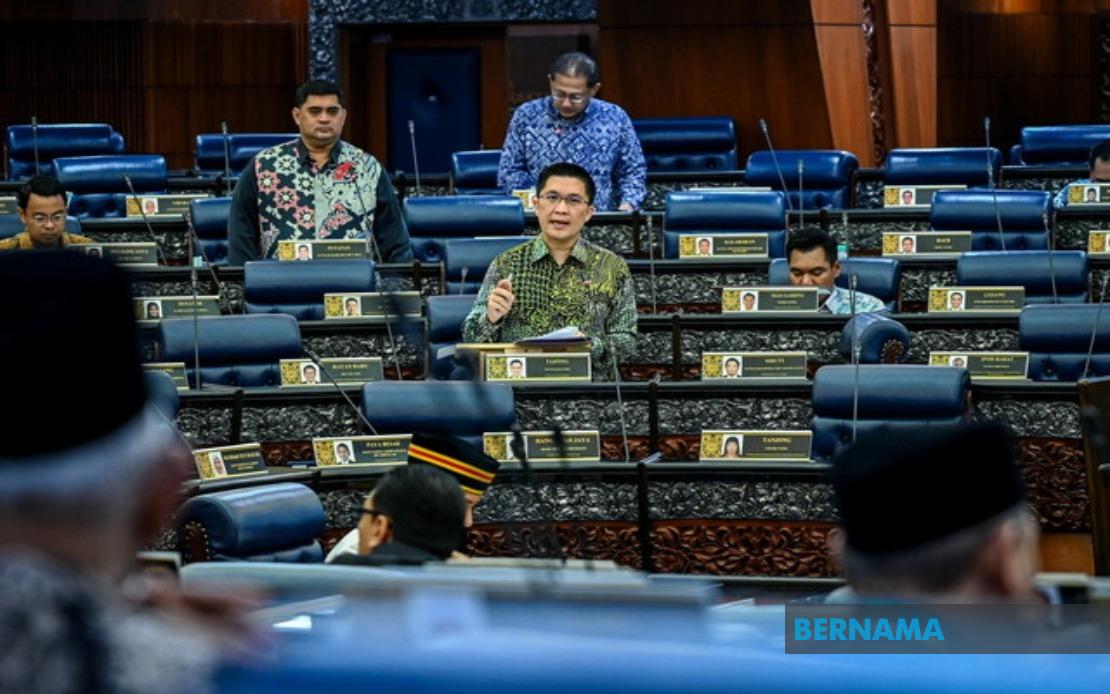
The Education Ministry has achieved near-complete staffing of its preschool teaching positions, with 99.8 per cent of posts now occupied as of July 1. This milestone represents a significant step in the government's commitment to expanding access to early childhood education across the nation. Deputy Minister Wong Kah Woh announced in Parliament that 10,478 preschool teachers are currently working in educational institutions nationwide, addressing the mounting need for quality early learning opportunities across Malaysian communities.
The ministry's recruitment strategy has accelerated notably over the past two years. Between 2023 and 2025, a total of 1,202 new preschool educators have been deployed into the system, signalling a deliberate expansion effort to accommodate growing enrolment numbers. Rather than pursuing aggressive mass recruitment, the Education Ministry has opted for a phased and systematic approach to teacher deployment, calibrating the pace of hiring to match projected demand increases across different regions. This measured strategy allows the ministry to ensure adequate training and support for newly hired staff while managing budgetary constraints.
Beyond simply filling vacant posts, the ministry recognises that staffing numbers alone cannot guarantee educational quality. Wong emphasised that the Education Ministry has substantially upgraded its training infrastructure to maintain teaching standards appropriate to early childhood education frameworks. Both pre-service programmes, which train newly recruited teachers before they enter classrooms, and in-service programmes, which provide ongoing professional development for experienced educators, have been enhanced. These initiatives ensure that Malaysia's preschool workforce maintains competencies and qualifications aligned with internationally recognised early childhood education standards, creating consistency across the system.
The scale of the current preschool operation demonstrates the extent to which early learning has become institutionalised within Malaysia's education structure. As of May 31, the ministry operated 10,491 preschool classes nationwide, collectively serving 217,026 children. These figures underscore the significant reach of government-provided early childhood education, touching the lives of hundreds of thousands of young Malaysians during a critical developmental period. For many families, particularly in lower-income brackets, these government preschool options provide essential services that might otherwise remain inaccessible.
The decision about where to establish or expand preschool classes follows a data-driven methodology rather than ad hoc decisions. Wong explained that location selection depends on comprehensive assessment of multiple factors, including the size of the eligible child population in a given area and measurable local demand for services. This evidence-based approach helps ensure that limited resources reach communities with genuine need, while preventing over-provision in areas with lower demand. Such careful planning reflects a recognition that expansion must proceed strategically to achieve maximum impact across the nation's diverse geography and demographics.
Among the most significant recent announcements is the ministry's ambitious timeline for expansion. The Education Ministry is targeting the opening of 300 additional preschool classes during the coming year, a substantial increase that will materially widen access to early learning. Over the next five years, the cumulative target for new classes reaches 1,040, a figure that suggests the ministry anticipates significant continued growth in demand for government-provided preschool education. These projections reflect confidence in the expanding role of early childhood education within Malaysia's overall education ecosystem.
A particular area of concern that the ministry is addressing involves six-year-old children who have not yet accessed preschool education. Rather than viewing this cohort as simply missing out on a single year, the ministry recognises that delayed early education can create lasting disadvantages affecting a child's transition to primary school and subsequent academic performance. To address this gap, Wong confirmed that the Education Ministry will continue expanding preschool capacity while simultaneously collaborating with State Education Departments, the Community Development Department (KEMAS), and other relevant agencies. This multi-stakeholder approach acknowledges that no single ministry can alone solve access challenges; effective preschool expansion requires coordination across governmental bodies and departments.
The expansion strategy also reflects broader regional patterns in Southeast Asia, where governments increasingly view early childhood education as fundamental infrastructure rather than optional provision. Malaysia's sustained investment in preschool capacity positions the nation competitively within the region, where early learning access increasingly shapes long-term economic and social outcomes. By substantially increasing both staffing and infrastructure, Malaysia is signalling that early childhood education represents a genuine policy priority rather than a marginal concern within the education budget.
Forecasting and planning for future demand remains complex, particularly given Malaysia's diverse geography and demographic patterns. Urban areas may face different pressures than rural districts, and densely populated regions might require different expansion strategies than dispersed communities. The ministry's commitment to data-driven decision-making in class location selection suggests awareness of these complexities. However, the scale of planned expansion over the coming five years indicates that the ministry anticipates preschool demand will continue rising across most regions, driven by changing parental expectations regarding early education and increasing workforce participation among Malaysian mothers.
The achievement of 99.8 per cent staffing represents the culmination of sustained recruitment efforts, yet it also marks a beginning rather than an endpoint. With 1,040 new classes planned over five years and ongoing collaboration with multiple agencies, the Education Ministry is clearly preparing for the next phase of the preschool expansion journey. The challenge ahead will involve not merely hiring teachers to fill new posts, but ensuring that rapid expansion does not compromise the quality standards that the ministry has invested in developing. Maintaining this balance between growth and quality will ultimately determine whether Malaysia's preschool expansion translates into genuine benefits for early learners across the country.

